
Multiple Myeloma Specialist in Mumbai
Multiple Myeloma Specialist in Mumbai


Multiple Myeloma Specialist in Mumbai

Finding the right medical specialist is an important step when dealing with a blood cancer diagnosis. Multiple Myeloma is a type of blood cancer that affects plasma cells, which are a type of white blood cell found in the bone marrow. These cells normally help the body fight infections by producing antibodies. However, when plasma cells become abnormal and multiply uncontrollably, they can affect healthy blood cell production, weaken bones and cause problems with kidney function.
If you are looking for a Multiple Myeloma Specialist in Mumbai, consulting an experienced medical oncologist is important for understanding the disease, getting an accurate diagnosis and exploring suitable treatment options. Dr. Reetu Jain is a Medical Oncologist and Bone Marrow Transplant (BMT) Physician who provides specialist cancer care.
Patients searching for a Multiple Myeloma Doctor in Mumbai, blood cancer specialist in South Mumbai or an experienced cancer doctor can seek a medical consultation with Dr. Reetu Jain to understand their diagnosis and discuss an individualised treatment approach.
Multiple Myeloma requires careful medical evaluation because the disease can affect different parts of the body. Treatment decisions depend on several factors, including the patient's age, general health, disease stage, genetic test results, kidney function and response to previous treatment.
Whether you have recently been diagnosed with Multiple Myeloma, have been advised to undergo further investigations or are looking for a second opinion, understanding your treatment options can help you make informed decisions about your health.
Who Is a Multiple Myeloma Specialist?
A Multiple Myeloma specialist is a cancer doctor who has experience in diagnosing and treating cancers that develop from plasma cells in the bone marrow. These doctors are generally medical oncologists or haematologists with expertise in blood cancers and plasma cell disorders.
Multiple Myeloma is different from many solid-organ cancers because it develops inside the bone marrow. It can affect the production of normal blood cells and cause complications involving the bones, kidneys and immune system.
A specialist evaluates the complete medical condition rather than focusing only on the cancer cells. This includes understanding blood test reports, bone marrow biopsy results, imaging findings and the patient's overall health.
If you are searching for a Best Multiple Myeloma Doctor in South Mumbai, it is important to consider the doctor's medical qualifications, experience in treating blood cancers, understanding of newer treatment approaches and ability to guide patients through different stages of care.
Dr. Reetu Jain, a Medical Oncologist and BMT Physician, offers specialist guidance for patients dealing with blood cancers. Her approach involves understanding each patient's medical reports and discussing appropriate treatment and supportive care options.
As these cancerous cells increase, they can affect the normal functioning of the bone marrow. This may reduce the production of healthy red blood cells, white blood cells and platelets.
Multiple Myeloma can also cause damage to the bones, increase calcium levels in the blood and affect kidney function.
The condition may develop gradually, and some patients may not experience noticeable symptoms during the early stages. In certain cases, it is discovered during routine blood investigations.
Multiple Myeloma is also known as plasma cell myeloma. It requires specialised evaluation and long-term medical management.
If you are searching for a Blood Cancer Doctor in South Mumbai, understanding the condition and getting the right medical advice are important steps towards appropriate care.
Common Symptoms of Multiple Myeloma
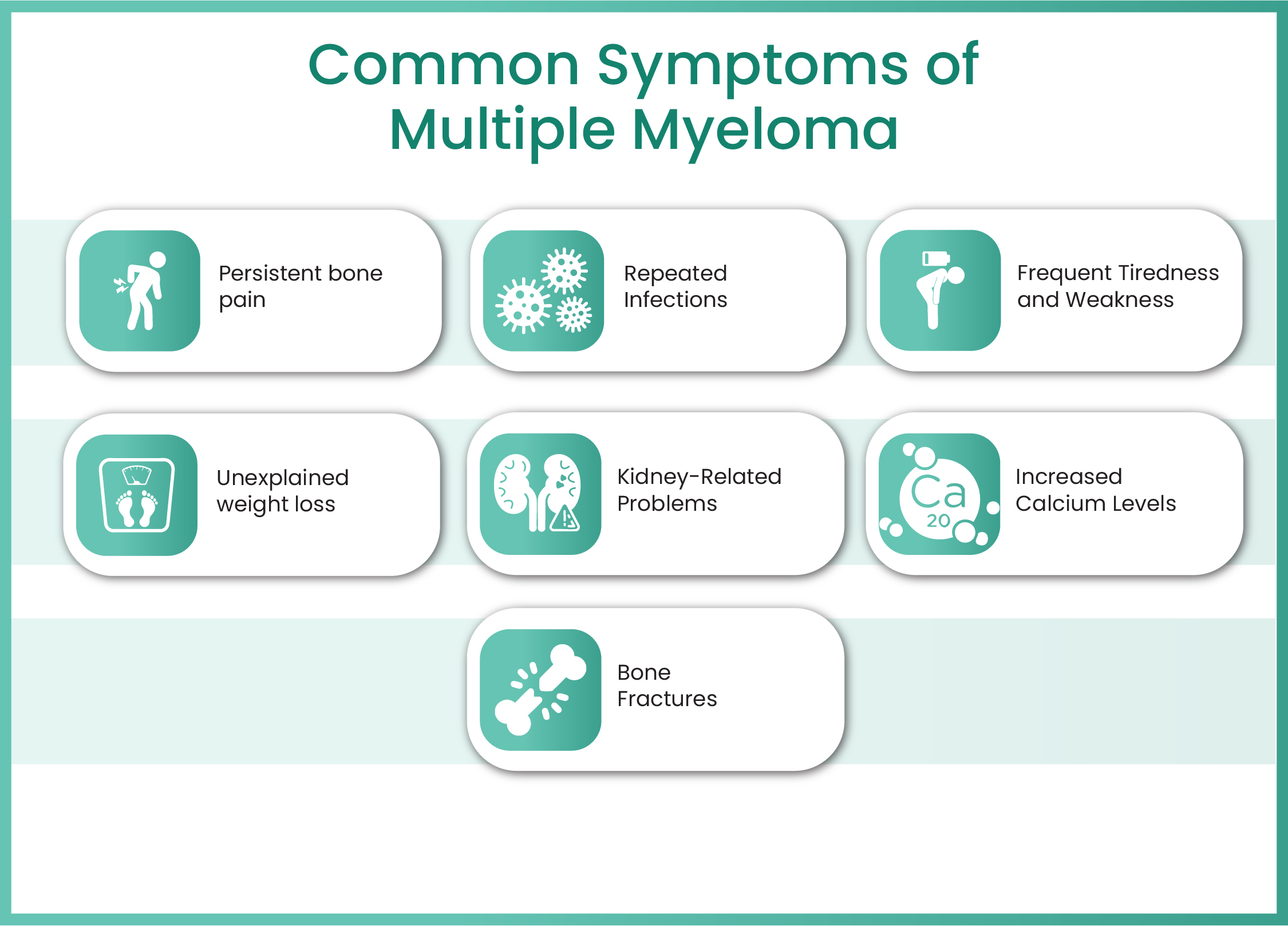
The symptoms of Multiple Myeloma may differ from one patient to another. Some individuals experience noticeable health problems, while others may have no symptoms during the initial stages.
The symptoms usually develop because abnormal plasma cells affect normal blood cell production, bone health and kidney function.
Some commonly observed symptoms include:
- 1. Persistent Bone Pain Bone pain is one of the common symptoms of Multiple Myeloma. It may occur in the back, ribs, hips, pelvis or other bones. The pain can become more noticeable during movement or physical activity.
- 2. Frequent Tiredness and Weakness Multiple Myeloma can reduce the production of healthy red blood cells, leading to anaemia. This may cause persistent tiredness, weakness, reduced energy and difficulty performing everyday activities.
- 3. Repeated Infections Abnormal plasma cells may interfere with the body's ability to produce effective antibodies. As a result, some patients may experience frequent infections, fever or difficulty recovering from infections.
- 4. Kidney-Related Problems The abnormal proteins produced by myeloma cells can affect kidney function. Patients may experience changes in kidney test results or other signs of kidney problems.
- 5. Increased Calcium Levels Damage to the bones can release calcium into the bloodstream. High calcium levels may cause excessive thirst, frequent urination, constipation, nausea and confusion.
- 6. Bone Fractures Multiple Myeloma can weaken the bones and make them more likely to fracture. Even minor injuries may sometimes lead to bone damage.
- 7. Unexplained Weight LossSome patients may experience a loss of appetite
and unintended weight loss.
These symptoms do not necessarily mean that a person has Multiple Myeloma. Many other health conditions can cause similar problems. Proper medical evaluation and investigations are necessary to identify the underlying cause.
If you are experiencing persistent symptoms, consult a qualified cancer specialist for an appropriate assessment.
What Causes Multiple Myeloma?
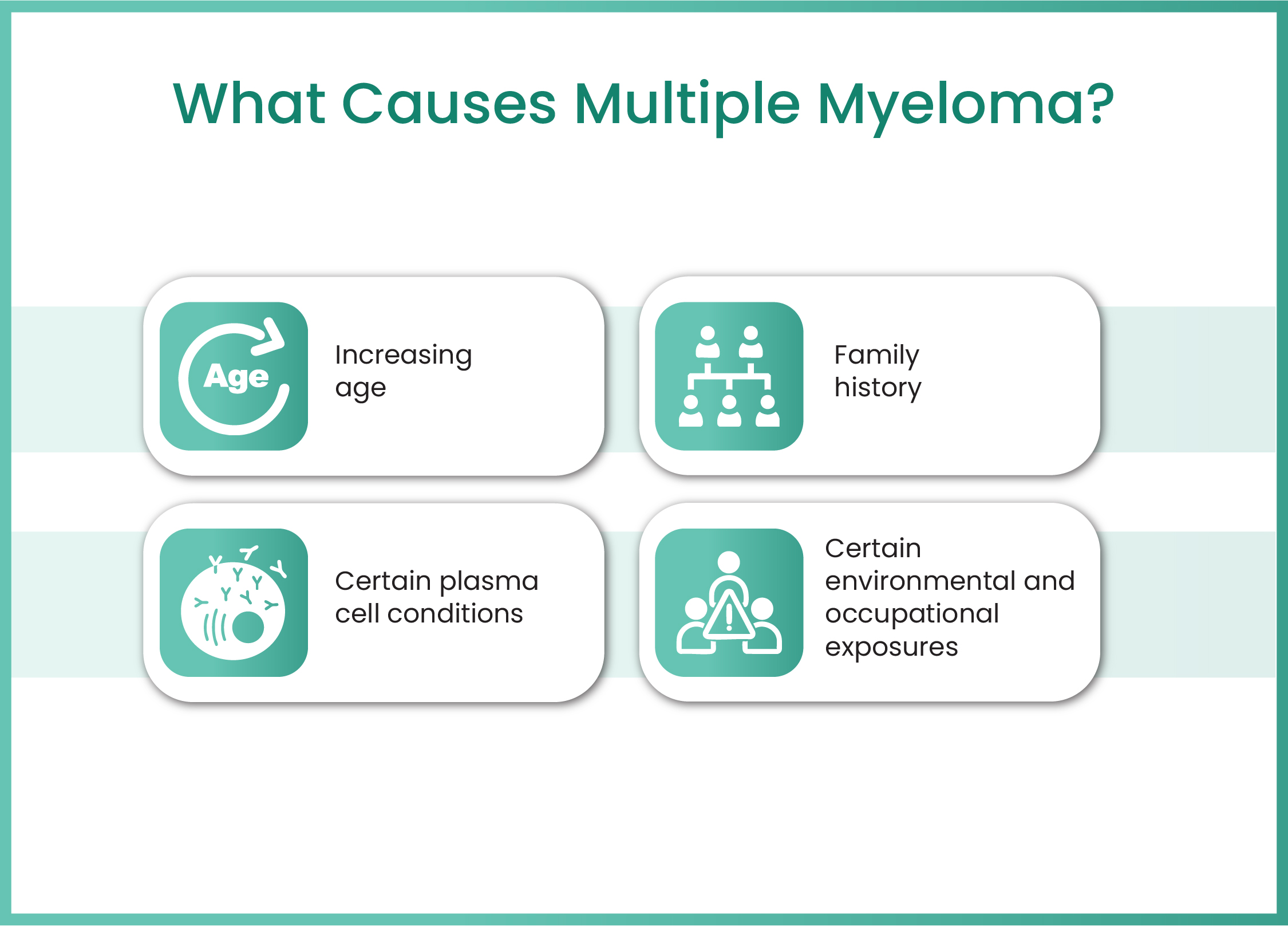
The exact cause of Multiple Myeloma is not completely understood. The condition develops when plasma cells undergo changes that cause them to grow and multiply abnormally.
These abnormal cells gradually accumulate in the bone marrow and interfere with normal blood cell production.
Certain factors may be associated with an increased risk of developing Multiple Myeloma. These include:
- Increasing age: Multiple Myeloma is more commonly diagnosed in older adults.
- Family history: Having a close family member with Multiple Myeloma may be associated with a higher risk.
- Certain plasma cell conditions: Some people with Monoclonal Gammopathy of Undetermined Significance (MGUS) or smouldering Multiple Myeloma may develop active disease over time.
- Certain environmental and occupational exposures: Some exposures have been studied for possible associations with the disease, although the exact relationship is not fully established.
Having one or more risk factors does not mean that someone will definitely develop Multiple Myeloma. Many patients have no clearly identifiable risk factors.
A consultation with a Medical Oncologist can help patients understand their medical history, risk factors and the investigations required for diagnosis.
How Is Multiple Myeloma Diagnosed?
An accurate diagnosis is important before starting Multiple Myeloma treatment. A cancer specialist evaluates the patient's symptoms, medical history, blood and urine reports, bone marrow findings and imaging results.
The diagnostic process may include the following investigations:
- 1. Complete Blood Count (CBC): A CBC test measures different types of blood cells, including red blood cells, white blood cells and platelets. It helps identify anaemia and other abnormalities that may be associated with Multiple Myeloma.
- 2. Serum Protein Electrophoresis: This blood test helps identify abnormal proteins in the blood. It is commonly used to detect and measure monoclonal proteins associated with Multiple Myeloma.
- 3. Serum Free Light Chain Test: This test measures free kappa and lambda light chains in the blood. An abnormal level or ratio may provide important information about plasma cell activity.
- 4. Immunofixation Test: Immunofixation helps identify the type of abnormal protein produced by the plasma cells.
- 5. Bone Marrow Aspiration and Biopsy: A bone marrow examination helps identify abnormal plasma cells and determine their percentage in the bone marrow. It is an important investigation for confirming the diagnosis and evaluating the disease.
- 6. Cytogenetic and FISH Testing: These specialised tests examine genetic changes in myeloma cells. They help doctors understand the biological characteristics of the disease and assess risk factors that may influence treatment planning.
- 7. Kidney Function and Calcium Tests: Blood investigations are performed to evaluate kidney function, calcium levels and other important health parameters.
- 8. Imaging Tests: Depending on the patient's condition, the doctor may
recommend PET-CT, MRI or CT scans to identify bone damage, fractures and other areas
affected by the disease.
The results of these investigations help the specialist understand the type, extent and characteristics of Multiple Myeloma.
Patients looking for a Multiple Myeloma Specialist in Mumbai should consult a doctor who can interpret these reports together and explain what they mean for the patient's treatment.
Different Stages and Types of Multiple Myeloma
Multiple Myeloma does not progress in exactly the same way in every
patient. Some patients have slow-growing disease, while others may require treatment soon after
diagnosis.
Understanding the disease category is important for deciding the appropriate medical approach.
- 1. MGUS (Monoclonal Gammopathy of Undetermined Significance):MGUS is a
condition in which abnormal monoclonal proteins are present in the blood, but the patient
does not meet the criteria for Multiple Myeloma or have related organ damage.
MGUS is not Multiple Myeloma. However, patients generally require periodic medical monitoring because a small proportion may develop a more advanced plasma cell disorder over time. - 2. Smouldering Multiple Myeloma: Smouldering Multiple Myeloma is an
intermediate condition in which abnormal plasma cells or monoclonal proteins are present at
higher levels than in MGUS, but there are no defining signs of active Multiple Myeloma
requiring treatment.
Patients with this condition may not need immediate treatment. However, regular follow-up and monitoring are important to identify any signs of progression. - 3. Active Multiple Myeloma: Active Multiple Myeloma is diagnosed when the
patient meets the established diagnostic criteria, including relevant biomarkers or evidence
of organ damage associated with the disease.
Treatment is generally recommended when active disease meets the criteria for therapy.
A specialist evaluates the patient's reports to determine the disease category and whether treatment or regular monitoring is appropriate.
Multiple Myeloma Treatment in Mumbai
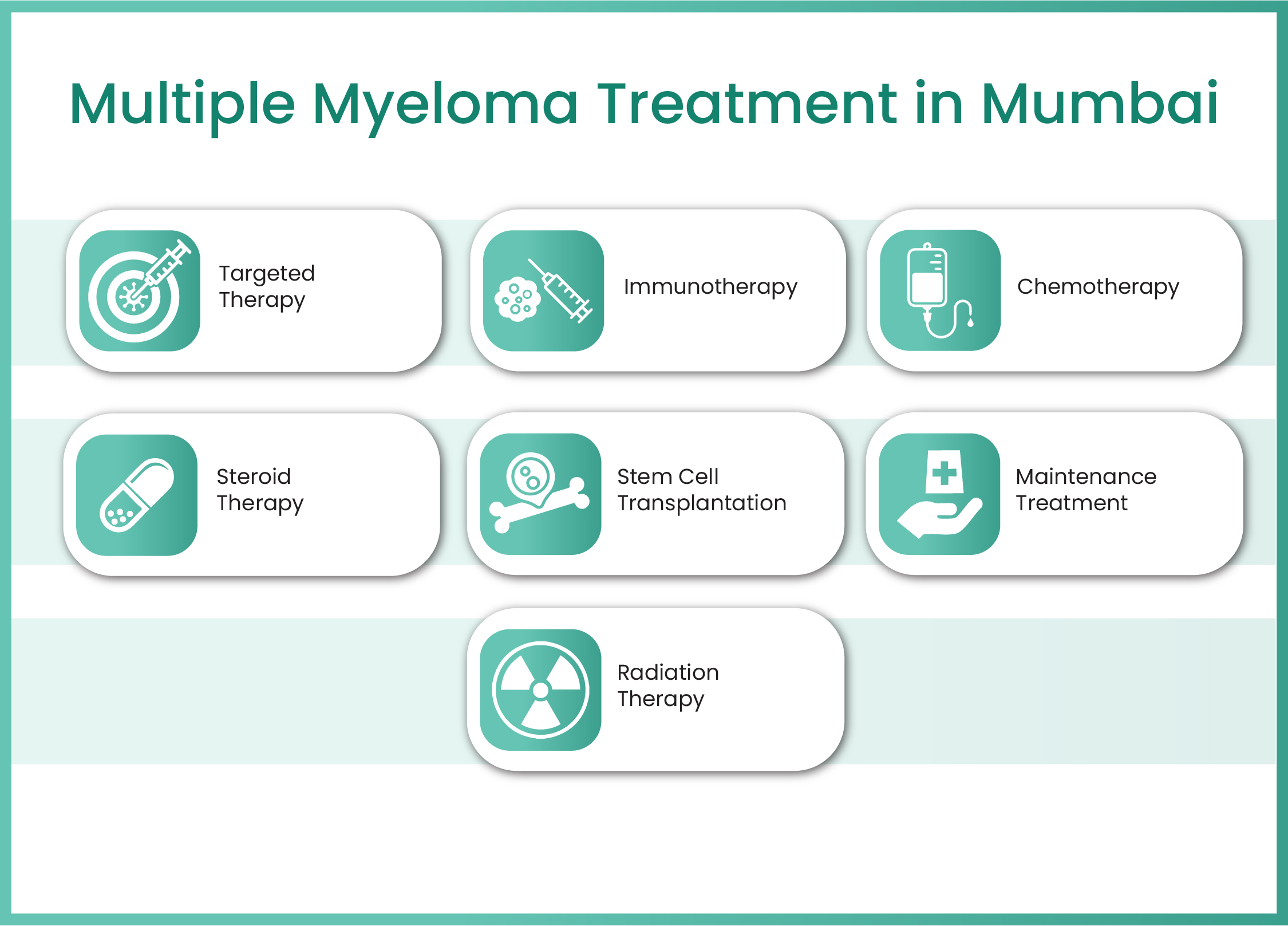
Multiple Myeloma treatment has evolved significantly with the development
of newer medicines, targeted therapies and immunotherapy approaches.
The treatment plan depends on the patient's age, general health, disease characteristics,
genetic findings, kidney function and previous treatment history.
Not every patient requires the same combination of medicines. A personalised approach helps
doctors select suitable treatment options while considering possible side effects and the
patient's quality of life.
Common treatment approaches include:
- 1. Targeted Therapy: Targeted medicines work against specific proteins or
biological processes that help cancer cells survive and multiply.
Proteasome inhibitors are an important group of medicines used in Multiple Myeloma treatment. Examples include bortezomib, carfilzomib and ixazomib.
The selection of medicine depends on the patient's condition and treatment history. - 2. Immunotherapy: Immunotherapy uses the body's immune system or
immune-based medicines to recognise and attack cancer cells.
Certain monoclonal antibodies, including daratumumab and isatuximab, are used in Multiple Myeloma treatment. Other immune-based approaches may also be considered depending on the disease and availability. - 3. Chemotherapy: Chemotherapy uses medicines to destroy or control cancer cells. It may be used as part of a combination treatment plan depending on the patient's medical condition.
- 4. Steroid Therapy: Steroids such as dexamethasone are commonly combined with other medicines to improve treatment effectiveness.
- 5. Stem Cell Transplantation: Autologous stem cell transplantation is an
important treatment option for selected patients with Multiple Myeloma.
In this procedure, the patient's own blood-forming stem cells are collected and stored. High-dose chemotherapy is administered, followed by the return of the collected stem cells to help restore blood cell production.
Not every patient is suitable for a stem cell transplant. The decision depends on age, overall fitness, organ function, disease characteristics and individual medical considerations. - 6. Maintenance Treatment: Some patients may receive maintenance therapy after their initial treatment or stem cell transplant. The aim is to help maintain disease control and reduce the risk of progression.
- 7. Radiation Therapy: Radiation therapy may be recommended in selected cases to manage localised bone pain or treat a particular area affected by the disease. A Multiple Myeloma Specialist in Mumbai can evaluate these treatment options and help patients understand which approach may be appropriate for their individual condition.
Role of Bone Marrow Transplant in Multiple Myeloma
Bone marrow or stem cell transplantation can play an important role in the management of Multiple Myeloma for eligible patients.
Autologous stem cell transplantation is the commonly used transplant approach for selected patients. It involves collecting the patient's own stem cells before administering high-dose chemotherapy.
After chemotherapy, the collected stem cells are returned to the patient's bloodstream. These cells travel to the bone marrow and help restore the production of healthy blood cells.
The procedure is not suitable for everyone. Doctors consider several factors before recommending transplantation, including:
- The patient's age and physical fitness.
- Kidney, heart and lung function.
- Response to initial treatment.
- Disease stage and genetic risk.
- Other existing medical conditions.
Stem cell transplantation is generally considered as part of a broader treatment strategy rather than a standalone procedure.
Dr. Reetu Jain's background in Medical Oncology and Bone Marrow Transplantation is relevant for patients seeking guidance about different blood cancer treatment approaches.
Patients searching for a Blood Cancer Specialist in South Mumbai can discuss whether stem cell transplantation may be an appropriate option based on their reports and medical condition.
Treatment for Relapsed or Refractory Multiple Myeloma
In some patients, Multiple Myeloma may return after a period of successful treatment. This is known as relapsed Multiple Myeloma.
In other cases, the disease may not respond adequately to the medicines being used. This is known as refractory Multiple Myeloma.
The treatment approach for relapsed or refractory disease depends on several factors, including:
- Previous medicines and treatment combinations.
- Duration of response to earlier treatment.
- Genetic characteristics of the cancer cells.
- Kidney function and overall health.
- Previous stem cell transplantation.
- Availability and suitability of newer treatment options.
Depending on the patient's condition, a specialist may consider alternative drug combinations, monoclonal antibodies, newer immunotherapies, bispecific antibodies or CAR T-cell therapy where appropriate and accessible.
The availability of these treatments may differ between hospitals and treatment centres.
A fresh evaluation is important when Multiple Myeloma returns. The specialist may recommend additional blood tests, bone marrow examination or imaging to understand the current disease status.
Managing Side Effects During Multiple Myeloma Treatment

Multiple Myeloma treatment can cause side effects, although their nature and severity vary between patients.
Some patients experience mild symptoms, while others may require additional medical support during treatment.
Common treatment-related concerns include:
- Fatigue and weakness.
- Nausea or vomiting.
- Reduced appetite.
- Increased risk of infections.
- Nerve-related symptoms such as tingling or numbness.
- Changes in blood cell counts.
- Constipation or diarrhoea.
- Changes in kidney function.
Managing these effects is an important part of cancer care.
The treating doctor may recommend medicines, dietary guidance, infection prevention measures, blood investigations or changes in treatment schedules depending on the patient's needs.
Fever during cancer treatment, sudden severe weakness, new breathing difficulties or other serious symptoms require prompt medical attention.
Importance of Regular Monitoring and Follow-Up
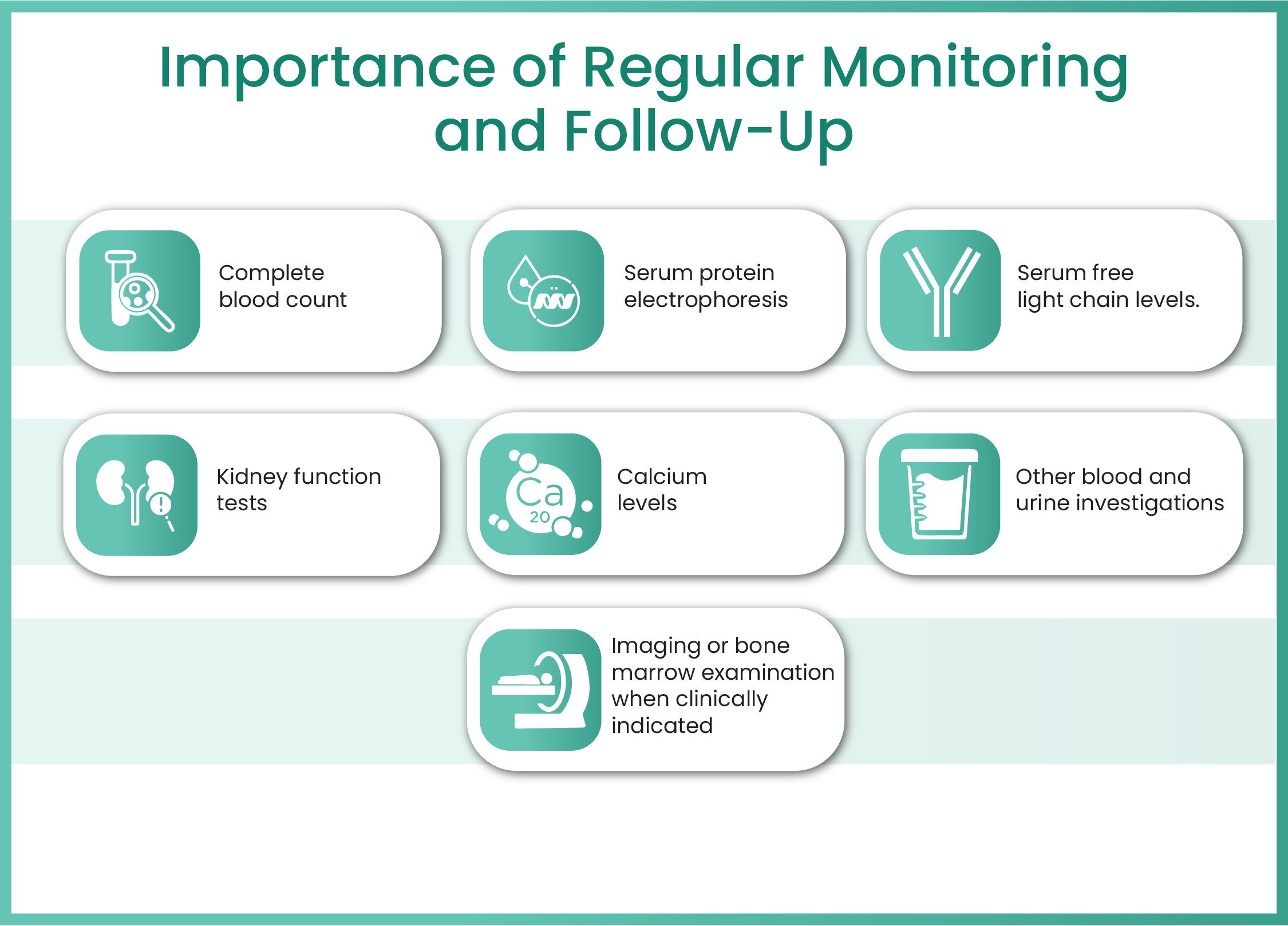
Multiple Myeloma often requires long-term monitoring, even when the patient responds well to treatment.
Regular follow-up helps doctors understand how the disease is responding and whether the current treatment plan needs modification.
Monitoring may include:
- Complete blood count.
- Serum protein electrophoresis.
- Serum free light chain levels.
- Kidney function tests.
- Calcium levels.
- Other blood and urine investigations.
The doctor may compare current reports with previous results to understand whether the
abnormal protein levels are decreasing, remaining stable or increasing.
Regular follow-up is also important for identifying possible treatment-related complications
and maintaining the patient's general health.
Patients should attend their scheduled appointments and keep copies of their medical
reports, prescriptions and investigation results.
Why Consult Dr. Reetu Jain for Multiple Myeloma in Mumbai?
Choosing the right cancer specialist is an important decision for patients and their families. Multiple Myeloma requires an understanding of blood cancers, bone marrow disorders, advanced treatment options and long-term disease management.
Dr. Reetu Jain is a Medical Oncologist and Bone Marrow Transplant Physician. Her specialist background is relevant to patients seeking medical guidance for Multiple Myeloma and other blood cancers.
When consulting a cancer specialist, patients should look for:
- Experience and qualifications in Medical Oncology.
- Understanding of different blood cancer conditions.
- Ability to interpret complex diagnostic reports.
- Guidance regarding stem cell transplantation when appropriate.
- Individualised treatment planning.
- Attention to treatment-related side effects and supportive care.
- Regular monitoring and follow-up.
Patients looking for the Best Multiple Myeloma Doctor in South Mumbai should make an informed decision based on the specialist's qualifications, relevant clinical experience, treatment approach and the patient's individual medical requirements.
A consultation with Dr. Reetu Jain can help patients understand their diagnosis, review available treatment options and discuss the next steps in their cancer care.
When Should You Consult a Multiple Myeloma Specialist?
You should consider consulting a cancer specialist if you have been diagnosed with Multiple Myeloma or have received abnormal test results that require further evaluation.
A specialist consultation may be helpful if:
- Your blood tests show an unexplained increase in total protein.
- Serum protein electrophoresis identifies an M protein.
- You have an abnormal serum free light chain ratio.
- A bone marrow examination shows abnormal plasma cells.
- You experience persistent bone pain or unexplained fractures.
- You have unexplained anaemia or kidney-related abnormalities.
- Your doctor suspects MGUS, smouldering Multiple Myeloma or active Multiple Myeloma.
- You have previously received treatment and need an assessment for possible relapse.
- You want a second opinion about your diagnosis or treatment plan.
Early medical evaluation can help identify the underlying condition and determine whether monitoring or active treatment is needed.
Looking for a Blood Cancer Doctor in South Mumbai?

Finding a specialist close to home can make regular consultations and follow-up more convenient, particularly for patients who need ongoing cancer treatment.
Patients searching online for a Cancer Doctor in South Mumbai, blood cancer specialist near Tardeo, Medical Oncologist in South Mumbai or Multiple Myeloma treatment in Mumbai should consider the doctor's relevant expertise and the availability of appropriate diagnostic and treatment facilities.
Dr. Reetu Jain is associated with specialist cancer care in South Mumbai. Patients can seek a consultation to discuss Multiple Myeloma, other plasma cell disorders and different blood cancer treatment options.
Whether you are seeking an initial diagnosis, treatment guidance, a second medical opinion or information about stem cell transplantation, understanding your options is an important part of making informed healthcare decisions.
Frequently Asked Questions About Multiple Myeloma
1. Who is the best Multiple Myeloma specialist in Mumbai?
The
right Multiple Myeloma specialist should have relevant experience in Medical Oncology, blood
cancer management and plasma cell disorders. Patients looking for a Multiple Myeloma
specialist in Mumbai can consult Dr. Reetu Jain, a Medical Oncologist and Bone Marrow
Transplant Physician, for an evaluation and discussion of suitable treatment options.
2. Is Multiple Myeloma a type of blood cancer?
Yes. Multiple
Myeloma is a type of blood cancer that begins in plasma cells present in the bone marrow.
Abnormal plasma cells multiply and produce abnormal proteins, which can affect bones,
kidneys and healthy blood cell production.
3. What are the early signs of Multiple Myeloma?
Some common signs
include persistent bone pain, fatigue, weakness, repeated infections, anaemia, kidney
problems and unexplained fractures. However, some patients may not experience symptoms
during the early stages.
4. Can Multiple Myeloma be treated?
Yes. Multiple Myeloma can be
managed using different treatment approaches, including targeted medicines, chemotherapy,
immunotherapy, steroids and stem cell transplantation in eligible patients. The treatment
plan depends on the patient's condition and disease characteristics.
5. Is Multiple Myeloma the same as bone cancer?
No. Multiple
Myeloma is a blood cancer that develops from plasma cells in the bone marrow. However, it
can cause bone damage, painful bone lesions and fractures, which is why bone-related
symptoms are common.
6. Which tests are required to diagnose Multiple Myeloma?
Diagnosis may involve blood tests, urine tests, serum protein electrophoresis, serum free
light chain testing, immunofixation, bone marrow aspiration and biopsy, genetic testing and
imaging studies.
7. Does every Multiple Myeloma patient need chemothera
Not
necessarily. Patients with MGUS or smouldering Multiple Myeloma may not require immediate
treatment and may be monitored regularly. Patients with active Multiple Myeloma meeting
treatment criteria generally require therapy. The decision is made by the treating
specialist.
8. Is bone marrow transplantation required for Multiple
Myeloma?
Bone marrow or stem cell transplantation is an important treatment option for
selected patients. Autologous stem cell transplantation uses the patient's own collected
stem cells. However, it is not suitable or necessary for every patient.
9. Can Multiple Myeloma affect kidney function?
Yes. Abnormal
proteins produced by myeloma cells can damage the kidneys. High calcium levels and other
disease-related complications may also affect kidney function. Regular kidney function
monitoring is therefore important.
10. Can Multiple Myeloma come back after treatment?
Yes. Multiple
Myeloma can relapse after a period of response. If this happens, the specialist evaluates
the patient's current condition and may recommend a different treatment combination or newer
therapies.
11. Which doctor should I consult for Multiple Myeloma in South
Mumbai?
A Medical Oncologist or a specialist haematologist with experience in plasma cell
disorders can evaluate Multiple Myeloma. Dr. Reetu Jain is a Medical Oncologist and BMT
Physician in South Mumbai. Patients can seek a consultation to discuss diagnosis and
treatment options.
12. When should I seek a second opinion for Multiple Myeloma?
A
second opinion can be useful after a new diagnosis, when deciding between treatment options,
before considering stem cell transplantation or when the disease returns after previous
treatment. It can help patients understand their reports and available approaches to care.
Consult Dr. Reetu Jain – Multiple Myeloma Specialist in South Mumbai, Mumbai
Multiple Myeloma requires specialised medical attention, accurate diagnosis and a carefully planned treatment approach. Understanding the disease and discussing available options with an experienced cancer specialist can help patients and their families navigate the treatment journey with greater clarity.
If you are searching for a Multiple Myeloma Specialist in Mumbai, Blood Cancer Doctor in South Mumbai, Best Multiple Myeloma Doctor in South Mumbai or an experienced Cancer Doctor in South Mumbai, you can consider consulting Dr. Reetu Jain.
With a background in Medical Oncology and Bone Marrow Transplantation, Dr. Reetu Jain provides specialist guidance for patients dealing with blood cancers and related conditions.
For consultation and further information about Multiple Myeloma diagnosis, treatment options, blood cancer care and stem cell transplantation, contact Dr. Reetu Jain's clinic.
Dr. Reetu Jain – Medical Oncologist & Bone Marrow Transplant Physician