
Leukemia Specialist in South Mumbai
Leukemia Specialist in South Mumbai


Leukemia Specialist in South Mumbai

Finding the right Leukemia Specialist in South Mumbai is an important step for patients diagnosed with blood cancer and their families. Leukemia is a type of cancer that affects the blood-forming tissues of the body, particularly the bone marrow. It causes the production of abnormal blood cells that can interfere with the normal functioning of healthy blood cells. An early diagnosis, accurate evaluation and an appropriate treatment plan are important parts of leukemia management.
Dr. Reetu Jain, an experienced Medical Oncologist and Bone Marrow Transplant Physician in Mumbai, provides medical oncology expertise for patients dealing with different types of cancers, including hematological malignancies. As the Director of the Bone Marrow Transplant Program and Academics at Jaslok Hospital, Mumbai, she has experience in managing complex blood-related cancers and transplant-related care.
Patients looking for a Blood Cancer Doctor in South Mumbai can seek an expert consultation to understand their diagnosis, available treatment options and the next steps in their cancer care journey. Every patient's condition is different, and treatment decisions depend on the type of leukemia, its stage of progression, genetic findings, age, overall health and response to treatment.
Who is a Leukemia Specialist and When Should You Consult One?
A leukemia specialist is a medical professional trained in diagnosing and managing cancers that affect the blood and bone marrow. These specialists evaluate abnormal blood cell production, interpret diagnostic reports and recommend suitable cancer treatment options
Leukemia can affect people of different age groups. Some forms develop quickly and require prompt medical attention, while others may progress slowly and need regular monitoring or treatment depending on the patient's condition.
Consulting a qualified medical oncologist is important if you have been diagnosed with leukemia, have unexplained abnormalities in your blood reports or have been referred for further investigation after a blood test.
A Leukemia Specialist in South Mumbai can help patients understand their diagnosis, review investigation reports and determine whether chemotherapy, targeted therapy, immunotherapy or a bone marrow transplant may be appropriate.
If you or a family member has received a leukemia diagnosis, an expert consultation can help clarify the available treatment pathways and provide a better understanding of what to expect during the treatment process.
Understanding Leukemia and Blood Cancer
Leukemia is commonly known as blood cancer. It begins in the bone marrow, which is the soft tissue inside the bones responsible for producing blood cells.
Normally, the bone marrow produces three major types of blood cells:
- Red blood cells, which carry oxygen throughout the body.
- White blood cells, which fight infection.
- Platelets, which help in blood clotting.
In leukemia, abnormal blood cells develop and multiply. These cells can interfere with the production and functioning of healthy blood cells.
As the number of abnormal cells increases, patients may experience problems such as frequent infections, weakness, unexplained fever, easy bruising or bleeding.
Leukemia is not a single disease. It includes different types, and each type has its own characteristics, progression pattern and treatment requirements.
A proper diagnosis by a Cancer Doctor in South Mumbai helps identify the exact type of blood cancer and guides decisions about further investigations and treatment.
Different Types of Leukemia
Understanding the type of leukemia is one of the first steps towards planning appropriate treatment. Leukemia is generally classified according to how quickly it progresses and the type of blood cells affected.
- Acute Lymphoblastic Leukemia (ALL): Acute lymphoblastic Leukemia also known as ALL, is a type of blood cancer that affects immature Lymphocytes, a type of blood cell. It usually develops quickly and requires timely medical evaluation and treatment. Although it is more common in children, adults can also develop ALL. Treatment depends on several factors, including the patient’s age, genetic characteristics of the leukemia cells, overall health and response to initial treatment.
- Acute Myeloid Leukemia (AML) : Acute Myeloid Leukemia, commonly called AML, is a rapidly progressing blood cancer that affects myeloid cells in the bone marrow. These abnormal cells multiply and prevent the bone marrow from producing enough healthy red blood cells, white blood cells and platelets. Patients with AML may experience tiredness, fever, infections, bleeding or bruising. Prompt diagnosis and treatment planning are important because the disease can progress quickly.
- Chronic Lymphocytic Leukemia (CLL) : Chronic Lymphocytic Leukemia, commonly called CLL, is a slowly progressing blood cancer that affects mature lymphocytes. It usually develops over many years and may not require immediate treatment. When treatment is needed, it often involves medications to control the disease and manage symptoms.
- Chronic Myeloid Leukemia (CML) : Chronic Myeloid Leukemia, commonly called CML, is a slowly progressing blood cancer that affects myeloid cells in the bone marrow. It usually develops over many years and may not require immediate treatment. When treatment is needed, it often involves medications to control the disease and manage symptoms.
Common Signs and Symptoms of Leukemia
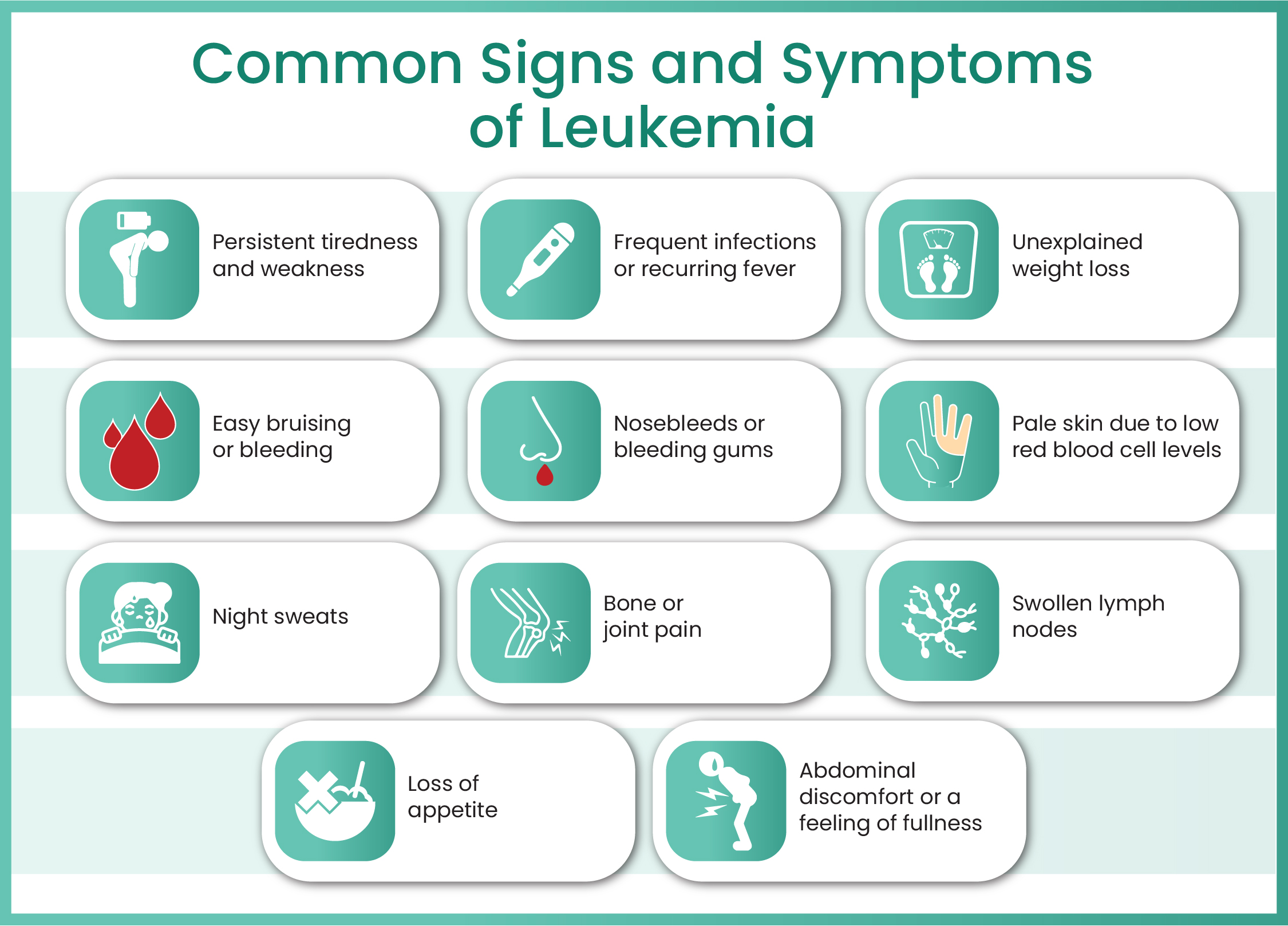
Leukemia symptoms may differ from one patient to another. Some symptoms develop gradually, while others may appear over a short period.
Common symptoms associated with leukemia include:
Autologous transplantation may be considered in selected patients with:
- Persistent tiredness and weakness.
- Frequent infections or recurring fever.
- Unexplained weight loss.
- Easy bruising or bleeding.
- Nosebleeds or bleeding gums.
- Pale skin due to low red blood cell levels.
- Night sweats.
- Bone or joint pain.
- Swollen lymph nodes.
- Loss of appetite
- Abdominal discomfort or a feeling of fullness.
These symptoms do not necessarily mean that a person has leukemia. Many other medical conditions can cause similar problems.
However, persistent or unexplained symptoms should not be ignored. A medical consultation and appropriate investigations can help identify the underlying cause.
If your blood report shows unusual white blood cell counts, low haemoglobin or reduced platelet levels, a doctor may recommend further tests depending on your medical history and examination.
How is Leukemia Diagnosed?
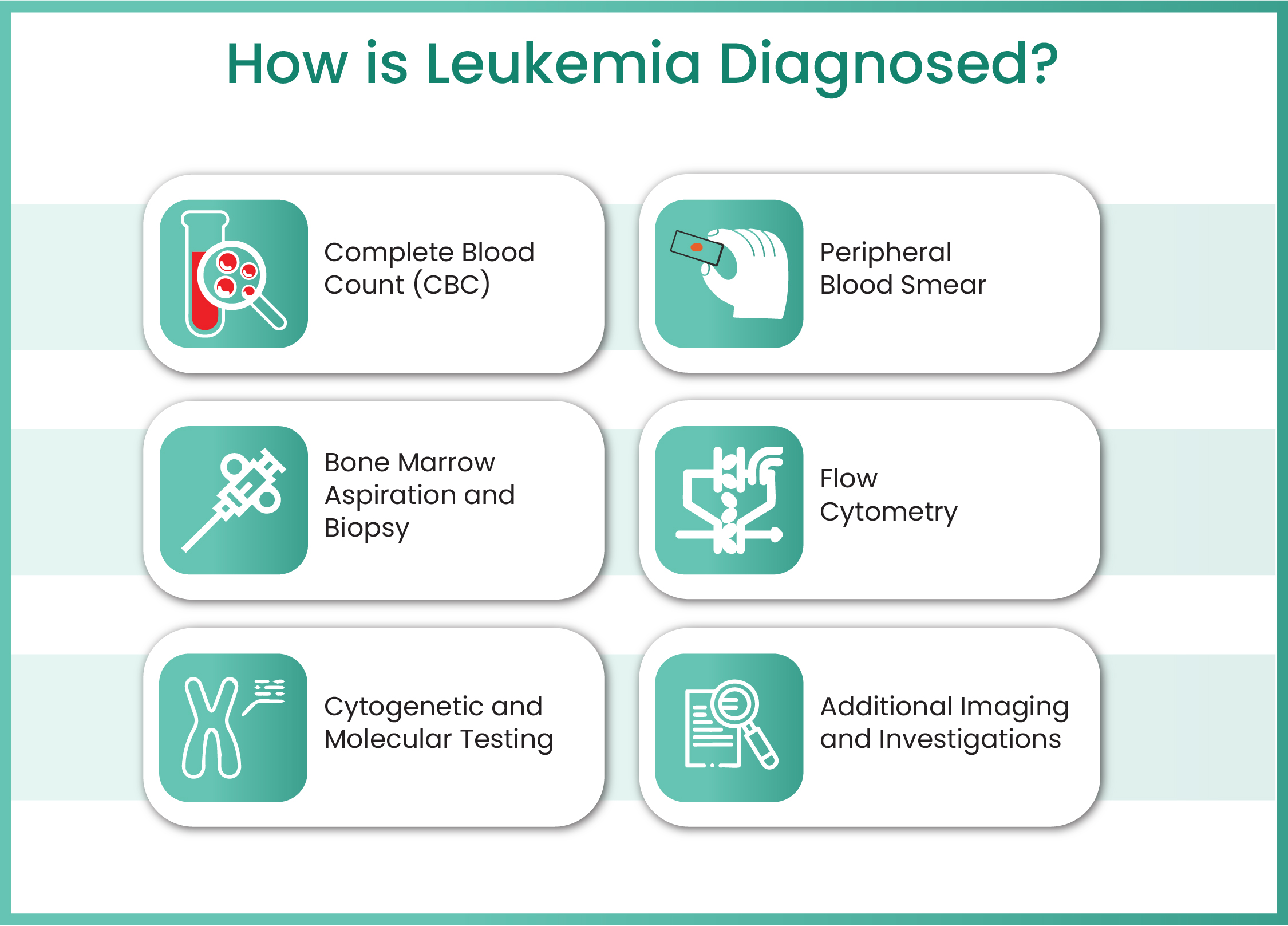
An accurate diagnosis is essential before starting leukemia treatment. The doctor may recommend different investigations to understand the type of blood cancer and its specific characteristics.
- Complete Blood Count (CBC): A complete blood count is usually one of the initial investigations. It measures the levels of red blood cells, white blood cells and platelets. Unusual blood cells counts may indicate the need for further evaluation. However, a CBC alone cannot confirm every type of leukemia.
- Peripheral Blood Smear: A Peripheral Blood Smear involves examining a blood sample under a microscope. It helps doctor assess the appearance and maturity of blood cells and identify abnormal cells that may require additional investigation.
- Bone Marrow Aspiration and Biopsy: Bone marrow aspiration and biopsy are important investigations used in diagnosis of many leukemia types. These tests help evaluate the number, appearance and characteristics of blood-forming cells inside the bone marrow. The result can provide important information about the presence and nature of abnormal cells
- Flow Cytometry: Flow cytometry helps identify the specific characteristics of abnormal blood cells. It examines proteins present on the surface or inside the cells and can help determine the type of leukemia.
- Cytogenetic and Molecular Testing: Genetic and molecular investigations help identify changes in the chromosomes or genes of leukemia cells. These findings can help classify the disease, assess risk and guide treatment decisions. For example testing for BCR::ABL1 is important in the diagnosis and management of chronic myeloid leukemia.
- Additional Imaging and Investigations: Depending on the type of leukemia and the patient’s condition, additional investigations may be recommended to assess overall health or identify complications. A Blood cancer doctor in South Mumbai, like Dr. Reetu Jain will review these reports together to understand the complete clinical picture and recommend the next steps.
Leukemia Treatment Options in South Mumbai
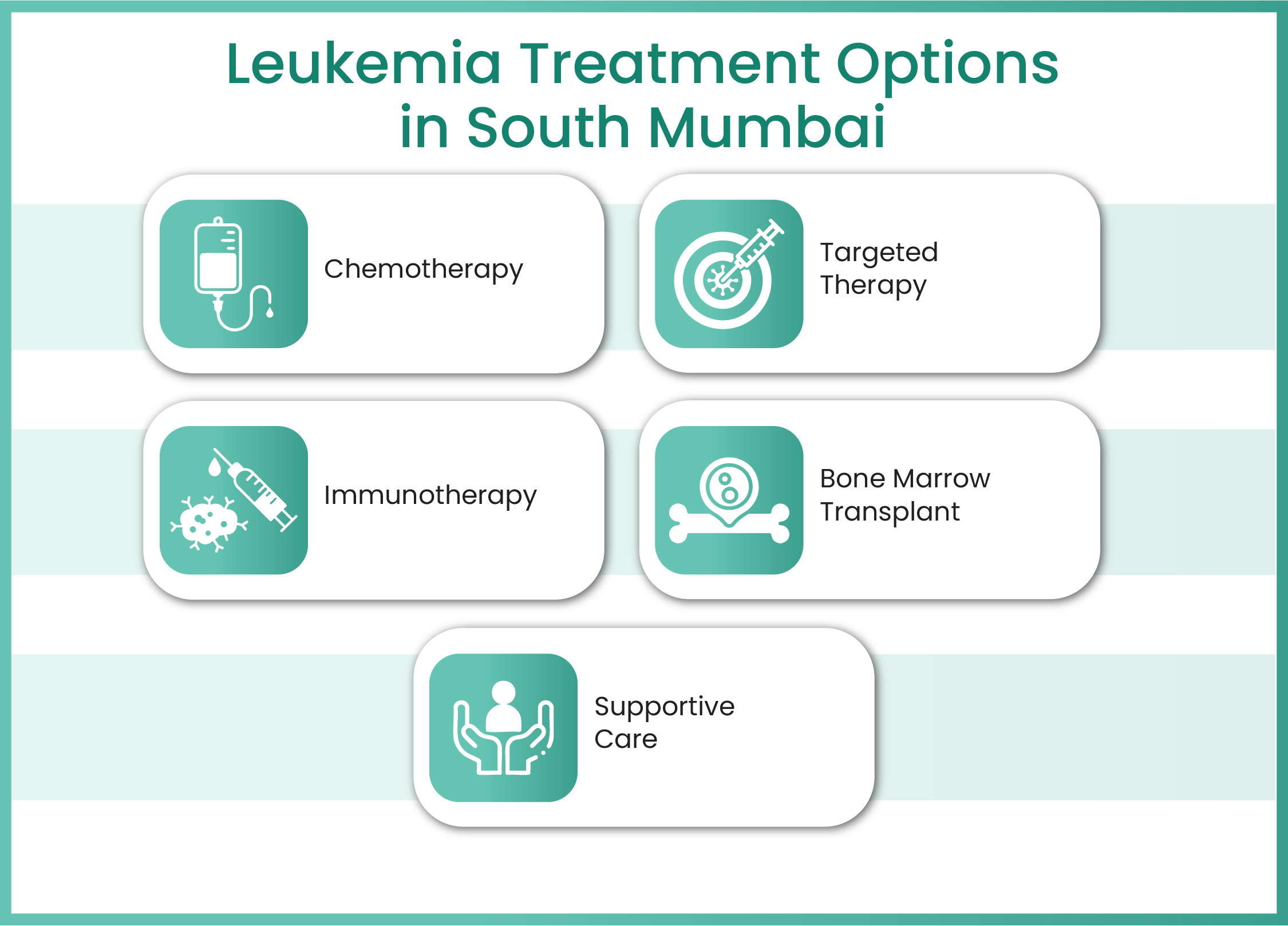
Leukemia treatment has advanced significantly over the years. Several treatment approaches are available, and the choice depends on the type of leukemia, genetic findings, disease progression, age and overall health of the patient.
There is no single treatment suitable for every leukemia patient. A personalised treatment plan is developed after reviewing the diagnosis and relevant medical reports.
- Chemotherapy It uses medicine to destroy cancer cells or stop them from multiplying. It is an important treatment approach for several types of leukemia, particularly acute leukemia. Chemotherapy may involve one medicine or a combination of medicines. The treatment may schedule and duration depend on the specific leukemia diagnosis and the patient’s response. Some patients may require treatment in different phrases, including initial treatment to achieve remission and further treatment to reduce the risk of relapse.
- Targeted Therapy: It uses medicines that act on specific changes or proteins involved in the growth of cancer cells. These medicines are particularly important in certain blood cancers where specific genetic or molecular abnormalities have been identified. For example, targeted medicines called tyrosine kinase inhibitors are commonly used in the management of CML. The selection of targeted therapy depends on the patient’s test result and the characteristics of the leukemia
- Immunotherapy: Immunotherapy uses the body's immune system to recognise and fight cancer cells. Certain immunotherapy approaches are used in selected blood cancers. These may include specialised antibody-based treatments and other immune-based therapies. The suitability of immunotherapy depends on the leukemia subtype, treatment history and other clinical factors.
- Bone Marrow Transplant: Bone marrow transplant, also known as stem cell transplant, is an important treatment option for selected patients with leukemia. The procedure involves using healthy blood-forming stem cells to help restore the bone marrow's ability to produce blood cells. Depending on the patient's condition, an autologous or allogeneic transplant may be considered. In leukemia, an allogeneic transplant may be recommended for selected patients based on disease risk, response to treatment, donor availability and overall fitness. A transplant requires detailed evaluation, donor assessment and careful planning.
- Supportive Care: Supportive care is an important part of leukemia management. It focuses on managing symptoms, reducing complications and supporting the patient's overall well-being during treatment. Depending on the patient's needs, supportive care may include blood or platelet transfusions, infection management, nutritional guidance and monitoring of treatment-related side effects. The goal is to support patients throughout their treatment journey while addressing medical and emotional concerns.
Bone Marrow Transplant for Leukemia
Bone marrow transplant is an important area of treatment for selected patients with blood cancers, including certain forms of leukemia.
A transplant may be considered when the disease has specific high-risk features, when there is a risk of relapse or when the patient requires a treatment approach involving healthy donor stem cells.
Before recommending a transplant, the medical team evaluates several factors, including:
- Type and subtype of leukemia.
- Genetic and molecular test results.
- Response to previous treatment.
- Patient's age and general health.
- Organ function and fitness for transplantation.
- Availability of a suitable donor.
There are different types of stem cell transplantation.
- Allogeneic stem cell transplant: This procedure uses stem cells obtained from a suitable donor. The donor may be a matched sibling, an unrelated matched donor or a partially matched family donor, depending on availability and suitability.
- Haploidentical Stem Cell Transplant: This is a type of allogeneic transplant that uses stem cells from a partially matched family donor, often a parent, child or sibling.
- Matched Unrelated Donor Transplant: This transplant uses stem cells from a suitable unrelated donor who has compatible tissue characteristics.
Each transplant approach has specific benefits, risks and eligibility requirements. A detailed medical evaluation is necessary before deciding which option is suitable.
Dr. Reetu Jain's expertise in medical oncology and bone marrow transplantation provides patients with access to specialist evaluation for complex blood cancer conditions.
Why Consult Dr. Reetu Jain for Leukemia and Blood Cancer Care?
Choosing the right specialist is an important decision after a leukemia diagnosis. Patients and their families often have questions about treatment options, recovery, transplantation and long-term follow-up.
Dr. Reetu Jain is a Medical Oncologist and Bone Marrow Transplant Physician in Mumbai with more than 25 years of experience in cancer care.
She serves as the Director of the Bone Marrow Transplant Program and Academics at Jaslok Hospital, Mumbai.
Her professional experience includes the management of hematological malignancies, including acute leukemia, lymphoma and multiple myeloma, along with expertise in different types of stem cell transplantation.
Patients looking for a Leukemia Specialist in South Mumbai can consult Dr. Reetu Jain for expert medical evaluation and guidance on appropriate treatment options.
Key aspects of her professional profile include:
- More than 25 years of experience in medical oncology and cancer care.
- Specialised training in medical oncology and bone marrow transplantation.
- Director, Bone Marrow Transplant Program and Academics at Jaslok Hospital.
- Experience in managing hematological malignancies.
- Expertise in allogeneic, haploidentical and matched unrelated donor transplantation.
- Involvement in academic activities and cancer research.
Every patient receives an individual medical assessment, as leukemia treatment depends on the specific diagnosis and clinical condition.
Leukemia Doctor for Women in South Mumbai
AWomen diagnosed with leukemia may have several concerns about treatment, side effects, fertility, family responsibilities and long-term health.
Consulting a qualified female cancer specialist can help some patients feel more comfortable discussing their concerns and understanding their treatment options.
Patients searching online for a Leukemia Lady Doctor in South Mumbai or a female blood cancer specialist can consider consulting Dr. Reetu Jain, a Medical Oncologist and Bone Marrow Transplant Physician.
Leukemia management requires a detailed understanding of the disease, appropriate investigations and careful treatment planning.
For women of reproductive age, discussions about fertility preservation may also be important before certain cancer treatments. These decisions should be discussed with the treating medical team before starting therapy.
The treatment approach is always based on the individual patient's diagnosis, medical history and treatment requirements.
Importance of Early Diagnosis and Timely Leukemia Treatment
Early medical evaluation can help identify leukemia and other blood disorders before complications develop.
Although not every type of leukemia presents with obvious symptoms, unexplained changes in blood counts should be evaluated when recommended by a doctor.
Delaying medical assessment after receiving an abnormal blood report may postpone the diagnosis of an underlying condition.
If leukemia is confirmed, timely treatment planning is important, particularly for acute forms of the disease that can progress rapidly.
Patients should also understand that early diagnosis does not guarantee a particular treatment outcome. The response to treatment depends on several factors, including the leukemia subtype, genetic characteristics, overall health and response to therapy.
Regular follow-ups and monitoring help doctors assess treatment response and identify any changes that may require attention.
Follow-Up Care After Leukemia Treatment
Leukemia care does not end when the initial course of treatment is completed.
Regular follow-up appointments are important to monitor the patient's health, check blood counts and assess whether the disease remains under control.
Depending on the type of leukemia and treatment received, follow-up may include blood investigations, bone marrow examinations and molecular tests.
Patients who have undergone a bone marrow transplant may require additional monitoring for transplant-related complications, infections and other health concerns.
Follow-up schedules differ from one patient to another. Patients should follow the instructions provided by their treating medical team and report new or unusual symptoms promptly.
Long-term care also includes attention to nutrition, physical activity, emotional well-being and general health.
When Should You Seek a Second Opinion for Leukemia?
A leukemia diagnosis can be overwhelming, particularly when patients are presented with multiple treatment options.
Seeking a second medical opinion can help patients understand their diagnosis and evaluate whether the recommended treatment plan is appropriate.
A second opinion may be useful when:
- You have recently been diagnosed with leukemia.
- You are unsure about the recommended treatment.
- A bone marrow transplant has been suggested.
- You have received different treatment recommendations.
- The disease has returned after previous treatment.
- You want to understand available targeted therapy or immunotherapy options.
- You need clarification about genetic and molecular test results.
Patients can carry their previous blood reports, bone marrow biopsy results, genetic investigations and treatment records for a detailed review.
An expert consultation can help explain the available choices and support informed medical decisions.
Consult a Cancer Doctor in South Mumbai
If you or a family member has been diagnosed with leukemia or another blood cancer, consulting an experienced medical oncologist is an important step towards understanding the condition and its management.
Dr. Reetu Jain provides medical oncology and bone marrow transplant expertise in Mumbai. Her experience in managing hematological malignancies and performing different types of stem cell transplantation helps patients receive specialist guidance for complex blood cancer conditions.
Patients searching for a Cancer Doctor in South Mumbai, Blood Cancer Doctor in South Mumbai, Leukemia Specialist in Mumbai or Medical Oncologist in South Mumbai can explore a consultation with Dr. Reetu Jain.
A proper evaluation, accurate diagnosis and an individualised treatment plan are important parts of cancer care.
For appointments and consultations, patients can contact Dr. Reetu Jain at her clinic or through Jaslok Hospital, Mumbai.
Frequently Asked Questions About Leukemia Treatment
Q1) Who is the best leukemia specialist in South Mumbai?
Patients
looking for a leukemia specialist in South Mumbai can consult Dr. Reetu Jain, a Medical
Oncologist and Bone Marrow Transplant Physician at Jaslok Hospital, Mumbai. She has more
than 25 years of experience and expertise in managing hematological malignancies, including
leukemia.
Q2) Who is a blood cancer doctor in South Mumbai?
A blood cancer
doctor is a medical oncologist or hemato-oncologist who evaluates and manages cancers
affecting the blood, bone marrow and lymphatic system. Dr. Reetu Jain provides specialist
medical oncology and bone marrow transplant care in Mumbai.
Q3) What are the early warning signs of leukemia?
Common symptoms
may include persistent fatigue, frequent infections, unexplained fever, easy bruising,
bleeding, pale skin and unexplained weight loss. These symptoms can also occur due to other
conditions, so medical evaluation is necessary.
Q4) Can leukemia be treated?
Yes. Several types of leukemia have
established treatment options, including chemotherapy, targeted therapy, immunotherapy and
bone marrow transplantation for selected patients. Treatment depends on the type of leukemia
and individual medical factors.
Q5) Is bone marrow transplant required for every leukemia
patient?
No. Bone marrow transplant is not required for every leukemia patient. It is
considered for selected patients depending on the type of leukemia, disease risk, treatment
response and overall health.
Q6) What is the difference between acute and chronic leukemia?
Acute leukemia generally progresses quickly and involves immature blood cells. Chronic
leukemia usually progresses more slowly and involves more mature but abnormal blood cells.
Both conditions require appropriate medical evaluation and management.
Q7) Which tests are used to diagnose leukemia?
Investigations
may include a complete blood count, peripheral blood smear, bone marrow aspiration and
biopsy, flow cytometry, cytogenetic testing and molecular tests. The required investigations
depend on the suspected leukemia type.
Q8) Can adults develop leukemia?
Yes. Leukemia can develop in
children as well as adults. Certain types are more common in specific age groups, but no age
group is completely free from the possibility of developing blood cancer.
Q9) Is leukemia treatment different for every patient?
Yes.
Treatment is based on the leukemia subtype, genetic findings, disease progression, age,
overall health and response to previous treatment. A personalised treatment plan is
important.
Q10) Where can I consult Dr. Reetu Jain in South Mumbai?
Dr.
Reetu Jain consults at Jaslok Hospital and Research Centre, Pedder Road, Tardeo, Mumbai, and
at her clinic at Panchasheel Plaza, Hughes Road, Mumbai. Appointments should be confirmed
with the respective locations before visiting.
Book a Consultation with Dr. Reetu Jain
For expert guidance on leukemia, blood cancer, medical oncology and bone marrow transplantation, consult Dr. Reetu Jain in South Mumbai. Get your reports evaluated, understand your treatment options and take an informed step towards your cancer care journey.