
Bone Marrow Transplant Specialist in Mumbai
Bone Marrow Transplant Specialist in Mumbai Mumbai


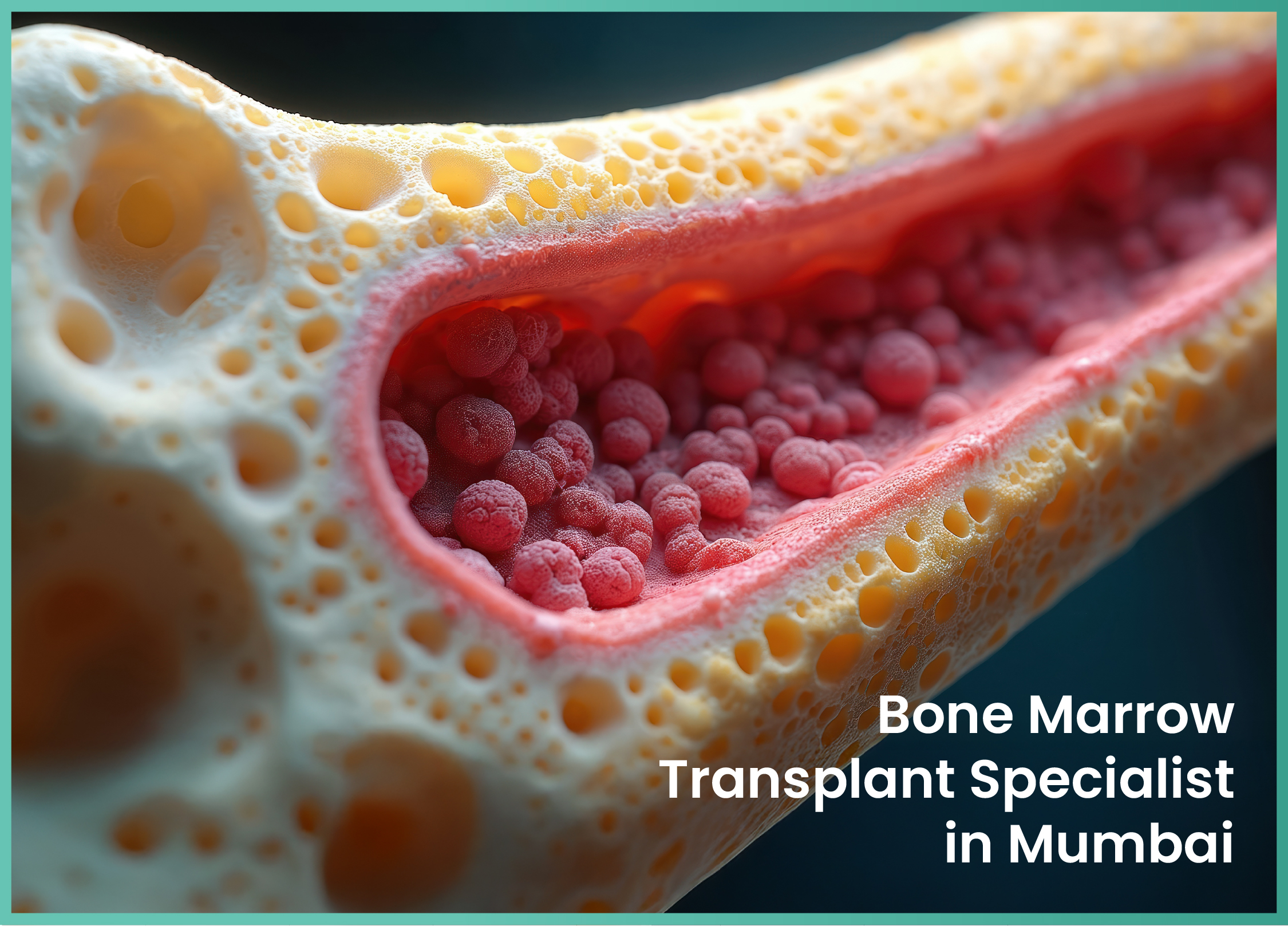
A bone marrow transplant, also called a stem cell transplant, is an advanced treatment used for selected blood cancers, blood disorders and certain other medical conditions. Finding an experienced Bone Marrow Transplant Specialist in Mumbai is important when a patient has been advised to consider a transplant or needs an expert opinion about whether transplantation is appropriate.
Dr Reetu Jain is a Medical Oncologist & BMT Specialist in Mumbai, providing specialist consultation for cancer treatment, blood cancers, stem cell transplantation and bone marrow transplant evaluation. Patients from Tardeo and different parts of South Mumbai may seek consultation for diagnosis, treatment planning, transplant evaluation, second opinions and long-term cancer care.
For patients searching for Bone Marrow Transplant in Mumbai, BMT Specialist in Tardeo, Medical Oncologist in South Mumbai, Best Cancer Specialist in Tardeo, or Best Lady Cancer Doctor in South Mumbai, understanding the complete treatment process is an important first step.
What Is a Bone Marrow Transplant?
Bone marrow is the soft tissue inside certain bones that contains blood-forming stem cells. These stem cells develop into red blood cells, white blood cells and platelets. Red blood cells carry oxygen, white blood cells help fight infections and platelets help control bleeding.
A bone marrow or stem cell transplant replaces damaged or destroyed blood-forming stem cells with healthy stem cells. Stem cells may come from the patient's own body or from a donor, depending on the disease and the type of transplant being considered.
A bone marrow or stem cell transplant replaces damaged or destroyed blood-forming stem cells with healthy stem cells. Stem cells may come from the patient's own body or from a donor, depending on the disease and the type of transplant being considered.
Although the term "bone marrow transplant" is commonly used, many modern transplants use stem cells collected from the bloodstream rather than directly from the bone marrow. The appropriate source depends on the patient's treatment plan.
A transplant is not automatically required for every person with blood cancer. The decision depends on the type of disease, disease status, and response to previous treatment, patient's overall health, availability of a suitable donor and whether other treatments are likely to be effective.
Who May Need a Bone Marrow Transplant?
Bone marrow transplantation may be considered for selected patients with cancers and disorders affecting the blood or bone marrow. Conditions that may be treated with stem cell transplantation include certain types of:
- Acute myeloid leukaemia (AML)
- Acute lymphoblastic leukaemia (ALL)
- Lymphoma
- Multiple myeloma
- Myelodysplastic syndromes
- Aplastic anaemia
- Thalassaemia
- Sickle cell disease
- Certain immune or inherited blood disorders
Stem cell transplantation is most commonly associated with blood cancers such as leukaemia, lymphoma and multiple myeloma, although its use depends on the individual disease and clinical situation.
A Bone Marrow Transplant Specialist in Mumbai evaluates the patient's diagnosis and treatment history before recommending transplantation.
Causes and Conditions That Can Lead to Bone Marrow Transplantation
There is no single cause of needing a bone marrow transplant. The underlying condition determines whether transplantation may be considered.
Blood cancers develop through abnormal changes in blood-forming cells. In leukaemia, abnormal blood cells multiply and interfere with the normal production of healthy blood cells. Lymphomas affect lymphatic cells, while multiple myeloma affects plasma cells.
Some non-cancerous disorders can also interfere with normal blood-cell production. For example, aplastic anaemia can cause the bone marrow to produce insufficient blood cells. Certain inherited blood disorders, including thalassaemia and sickle cell disease, may also be treated with transplantation in selected patients.
The exact reason a patient may require a transplant is therefore determined through specialist assessment and disease-specific investigations.
Signs and Symptoms of Blood Disorders That May Require a Transplant
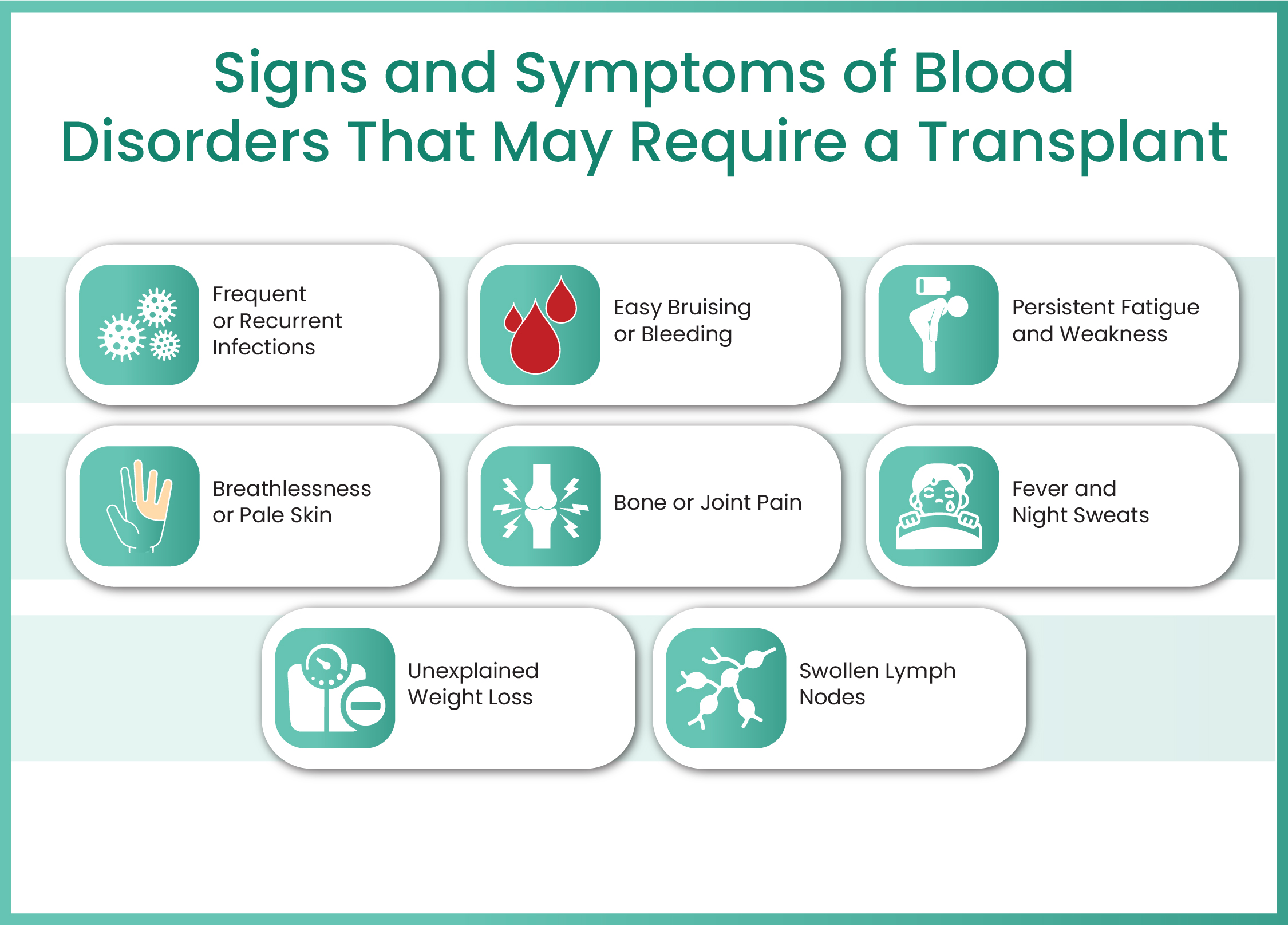
A bone marrow transplant itself does not usually cause the initial symptoms. Instead, symptoms may be caused by the underlying blood cancer or blood disorder.
Because the bone marrow produces red blood cells, white blood cells and platelets, abnormalities in the bone marrow can affect several parts of the body.
- Persistent Fatigue and Weakness: A low red blood cell count, known as anaemia, can cause tiredness, weakness, reduced stamina, dizziness or breathlessness. Persistent fatigue that does not improve with adequate rest should be evaluated, particularly when accompanied by other symptoms.
- Frequent or Recurrent Infections: Abnormal or reduced white blood cells can affect the body's ability to fight infections. Some patients may experience repeated infections, persistent fever or infections that take longer than expected to improve.
- Easy Bruising or Bleeding: Low platelet levels can make a person bruise more easily or experience nosebleeds, gum bleeding or prolonged bleeding. Unexplained bruising or bleeding should be medically assessed.
- Fever and Night Sweats: Persistent fever, unexplained sweating at night or recurrent episodes of feeling feverish can occur with certain blood cancers and infections. These symptoms are not specific to cancer, but persistent or unexplained symptoms require medical evaluation.
- Unexplained Weight Loss: Unintentional weight loss may occur in some cancers, including certain blood cancers. Significant unexplained weight loss should be discussed with a doctor.
- Swollen Lymph Nodes: Painless swelling in the neck, armpit or groin can occur with lymphoma and some other conditions. Enlarged lymph nodes can also result from infections, so further evaluation is necessary to determine the cause.
- Bone or Joint Pain: Certain blood disorders and cancers can cause bone discomfort or pain. Persistent unexplained bone pain should not be ignored.
- Breathlessness or Pale Skin: Anaemia can reduce the amount of oxygen carried by the blood and may result in pale skin, breathlessness, dizziness and fatigue.
These symptoms do not necessarily mean that a person has blood cancer or requires a transplant. They can occur because of many other conditions. Diagnosis requires appropriate medical evaluation and investigations.
When Should You Consult a Cancer or BMT Specialist?
You should consider an oncology consultation if you have persistent unexplained symptoms, abnormal blood counts, repeated infections, unexplained bruising or bleeding, unexplained weight loss or have been diagnosed with a blood-related cancer or disorder.
A BMT consultation may be particularly important when another doctor has recommended a bone marrow transplant, when the disease has returned after treatment, when a patient has not responded adequately to treatment or when the family wants to understand whether transplantation is an appropriate option.
Patients looking for a Bone Marrow Transplant Specialist in Mumbai or BMT Specialist in South Mumbai can discuss their reports and treatment history with Dr Reetu Jain.
Diagnosis of Blood Cancer and Conditions Requiring BMT
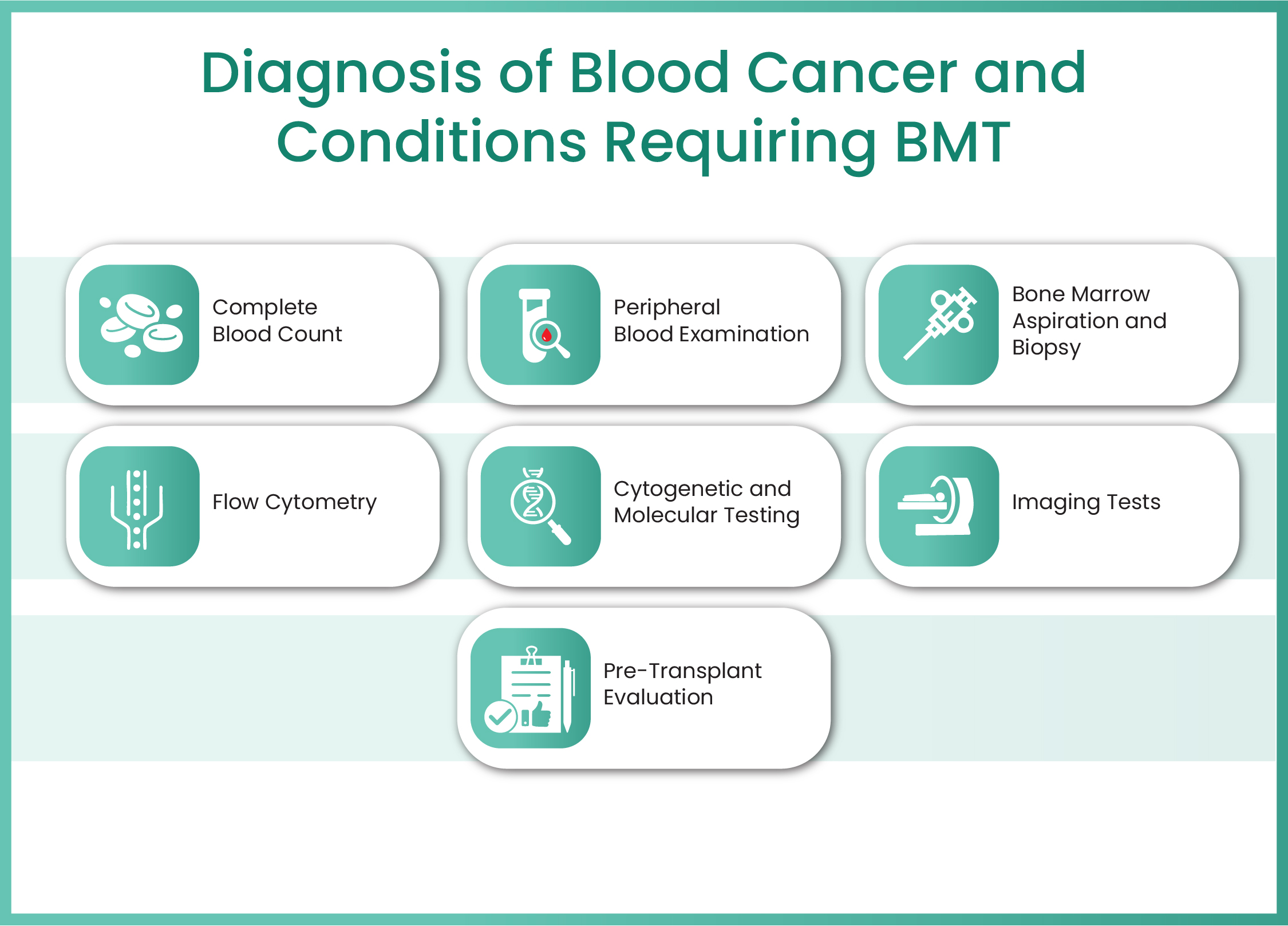
- Complete Blood Count: A complete blood count, or CBC, evaluates red blood cells, white blood cells and platelets. Abnormal blood counts may indicate a range of conditions and may lead doctors to recommend additional investigations.
- Peripheral Blood Examination: A blood sample may be examined under a microscope to evaluate the appearance and characteristics of blood cells. This can provide additional information in suspected blood disorders.
- Bone Marrow Aspiration and Biopsy: A bone marrow examination can help doctors assess the cells inside the bone marrow and identify abnormal or cancerous cells. Bone marrow testing may be particularly important in diagnosing and monitoring conditions such as leukaemia, lymphoma and other blood disorders.
- Cytogenetic and Molecular Testing: Genetic and molecular tests may identify changes within cancer cells that can influence diagnosis, prognosis and treatment planning.
- Imaging Tests: Depending on the disease, imaging such as CT, PET-CT, MRI or other scans may be recommended to evaluate lymph nodes, organs or other areas of concern.
- Pre-Transplant Evaluation: Before a transplant, additional tests are performed to assess whether the patient is medically fit for intensive treatment. These can include blood tests, heart evaluation, lung assessment, kidney and liver function tests and, when appropriate, bone marrow assessment.
Diagnosis is an important step before deciding whether a bone marrow transplant may be required.
The diagnostic process depends on the patient's symptoms and suspected condition. It may involve blood tests, bone marrow examination, imaging, pathology testing and specialised molecular or genetic investigations.
The objective is to identify the exact disease, determine its characteristics and understand how extensively it is affecting the body.
Types of Bone Marrow Transplant
The two main types of stem cell transplant are autologous and allogeneic transplantation.
- Autologous Stem Cell Transplant: In an autologous transplant, the patient's own stem cells are collected before intensive treatment. They are preserved and later returned to the patient after the conditioning treatment. This type of transplant is used in selected diseases and treatment situations.
- Allogeneic Stem Cell Transplant: In an allogeneic transplant, stem cells come from another person. The donor may be a relative or an unrelated donor who is sufficiently matched according to transplant requirements. Matching is important because the patient's immune system and the donor's cells need to be compatible as closely as possible. Human leukocyte antigen, or HLA, testing is commonly used when assessing donor compatibility.
- Syngeneic Transplant: In rare situations, stem cells may come from an identical twin. This is known as a syngeneic transplant. The choice of transplant type depends on the disease, treatment history, patient's condition, stem-cell availability and other clinical factors.
Donor Matching for Bone Marrow Transplant
For an allogeneic transplant, doctors need to identify an appropriate donor.
A donor may be a sibling, another family member or an unrelated donor. HLA testing helps determine how closely the donor's cells match the patient's.
The availability of a suitable donor is one of the factors considered when determining whether an allogeneic transplant can be performed.
A Bone Marrow Transplant Specialist in Mumbai can guide patients and families through the donor evaluation and transplant planning process.
How Are Stem Cells Collected?
Stem cells can be collected from the bloodstream or directly from bone marrow.
For peripheral blood stem-cell collection, medicines may be given before collection to increase the number of stem cells circulating in the blood. The blood is then passed through an apheresis machine that separates the stem cells and returns the remaining blood components to the patient or donor.
In some circumstances, stem cells are collected directly from the bone marrow, generally from the hip bone, under anaesthesia.
Treatment Before Bone Marrow Transplant
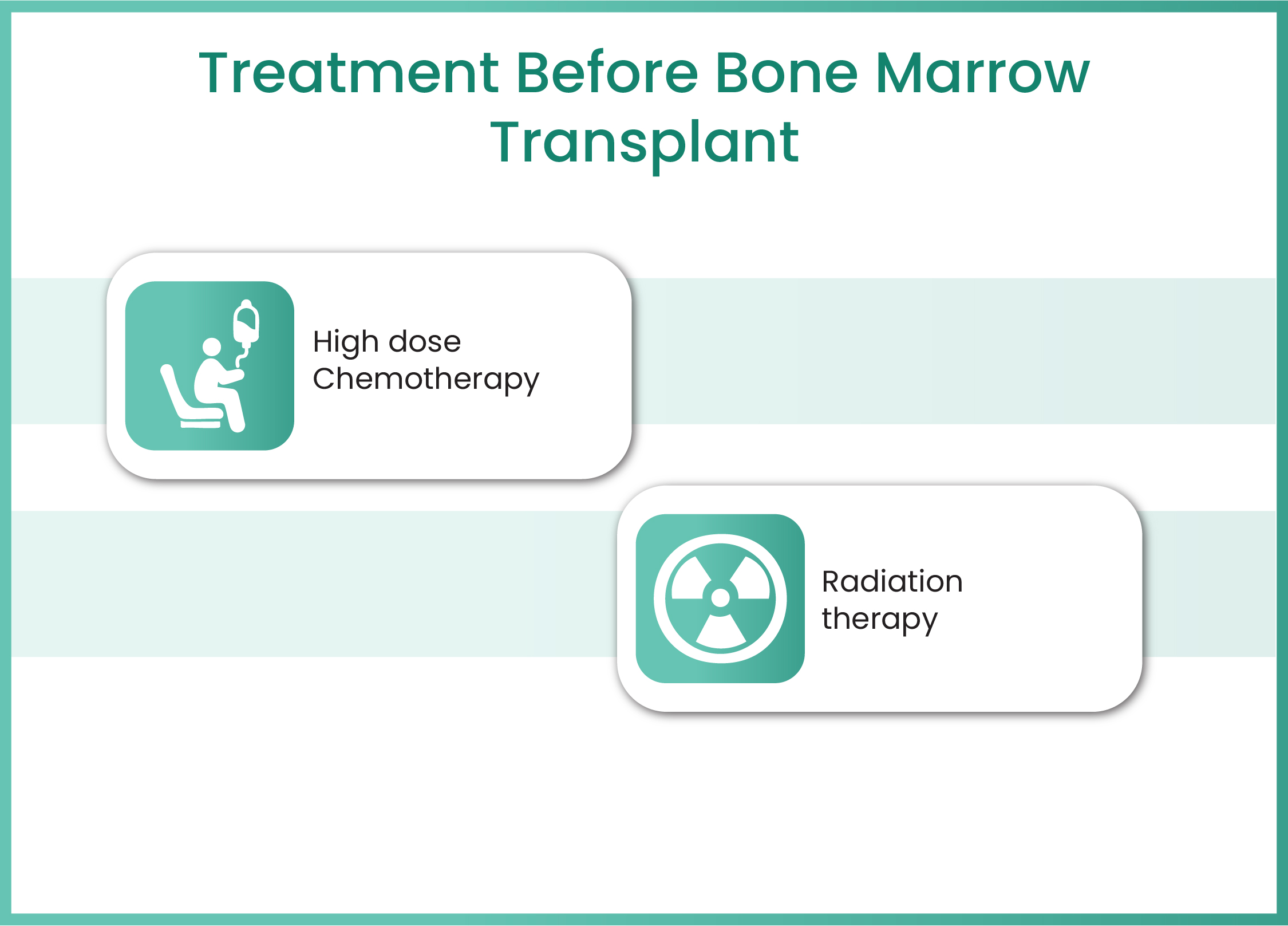
Before receiving the stem cells, patients generally receive conditioning treatment. Conditioning may involve high-dose chemotherapy and, in selected cases, radiation therapy.
The purpose is to prepare the body for transplantation and, depending on the disease and transplant type, to destroy abnormal cells and suppress the immune system sufficiently to allow the transplanted stem cells to establish themselves.
The exact conditioning regimen varies according to the patient's disease, age, overall health and type of transplant.
How Is a Bone Marrow Transplant Performed?
The transplant itself is generally not a surgical operation.
After conditioning treatment, healthy stem cells are given through an intravenous line or central venous catheter. The cells enter the bloodstream and travel to the bone marrow, where they begin producing new blood cells. The process is similar to receiving a blood transfusion.
The period after the infusion is an important part of the transplant process. Doctors monitor blood counts, infections, organ function and other possible complications while waiting for the transplanted stem cells to establish themselves.
Bone Marrow Transplant for Leukaemia
Stem cell transplantation may be considered for selected patients with leukaemia depending on the specific type, disease status, response to treatment and risk profile.
Leukaemia treatment may involve chemotherapy, targeted medicines, immunotherapy or other therapies. For some patients, an allogeneic stem cell transplant may be considered after achieving an appropriate response to initial treatment.
The decision is highly individualised and should be made after reviewing the patient's complete diagnostic and treatment history.
Bone Marrow Transplant for Lymphoma
Some patients with Hodgkin lymphoma or non-Hodgkin lymphoma may be considered for stem cell transplantation, particularly in specific treatment situations such as relapsed or treatment-resistant disease.
Autologous transplantation is used in selected lymphoma cases, while allogeneic transplantation may be considered in specific circumstances.
A specialist consultation helps determine whether transplantation is appropriate for an individual patient.
Bone Marrow Transplant for Multiple Myeloma
Multiple myeloma is a cancer involving plasma cells. For selected patients, an autologous stem cell transplant may form part of the treatment strategy.
The decision depends on factors such as age, general health, disease characteristics, response to initial therapy and suitability for intensive treatment.
Patients diagnosed with multiple myeloma may seek consultation with a Medical Oncologist & BMT Specialist in Mumbai to understand whether stem cell transplantat ion may be appropriate.
Possible Side Effects and Complications
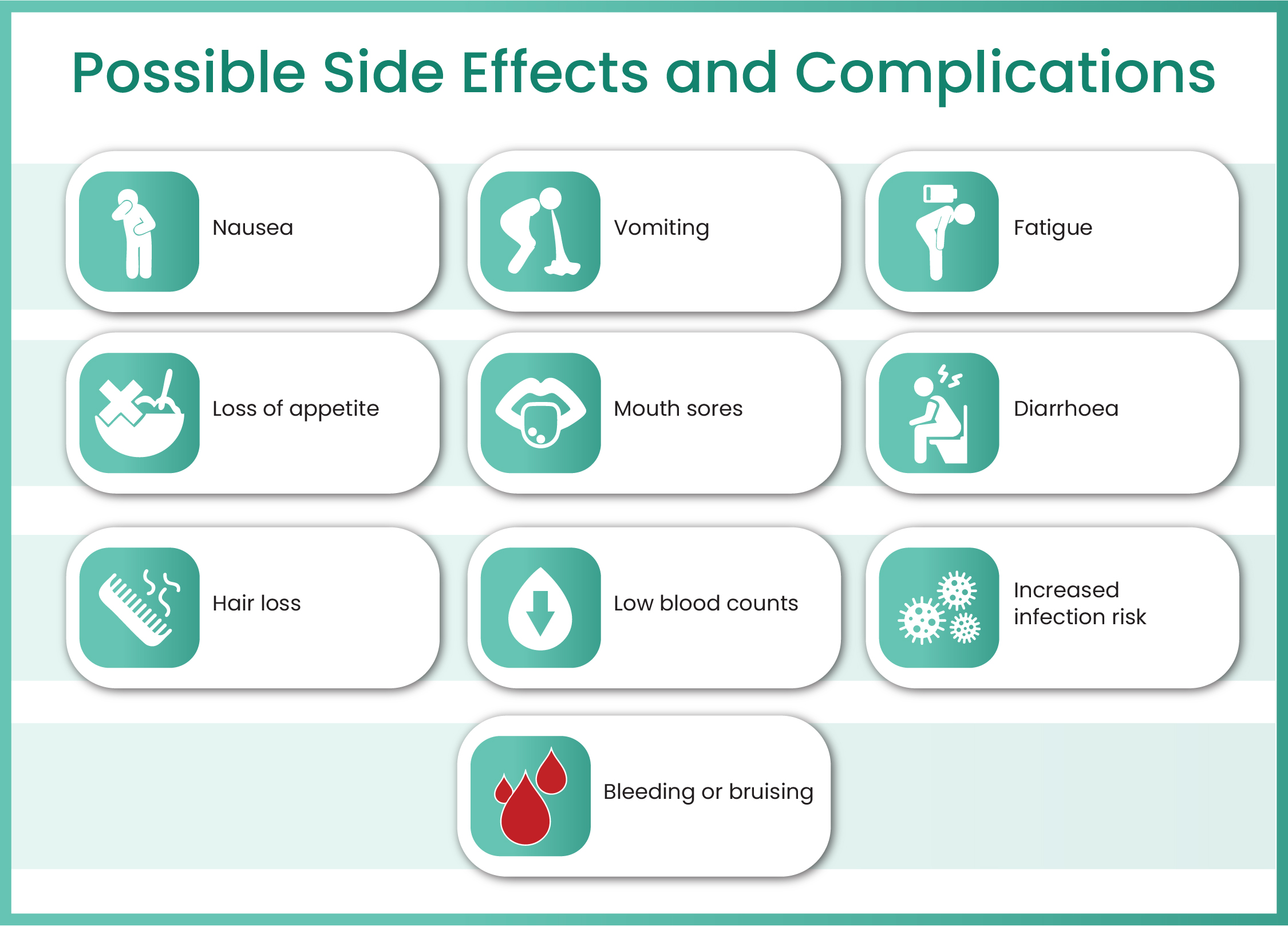
Bone marrow transplantation is an intensive treatment and may have short-term and long-term side effects.
Possible side effects can include nausea, vomiting, fatigue, loss of appetite, mouth sores, diarrhoea, hair loss, low blood counts, increased infection risk and bleeding or bruising.
The risks vary depending on the patient's health, disease, conditioning regimen and transplant type.
Infection Risk After Bone Marrow Transplant
The immune system can be significantly weakened during and after transplantation. This can increase the risk of infections.
Patients may require medicines to prevent or treat infections, regular blood tests and close follow-up. Patients and caregivers may also receive instructions regarding hygiene, food safety, visitors and other infection-prevention measures.
Fever or other signs of infection after transplant should be reported promptly to the treating team.
Recovery After Bone Marrow Transplant
Recovery from a bone marrow transplant is gradual. Patients may remain in hospital for several weeks depending on their condition and transplant type.
After discharge, regular follow-up appointments and blood tests remain important. Some patients may need medicines to prevent infections, blood or platelet transfusions and other supportive treatments while their blood counts recover.
Full immune recovery can take considerably longer than the initial blood-count recovery, particularly after an allogeneic transplant.
Patients should follow the transplant team's advice regarding diet, physical activity, hygiene, medications and follow-up.
Life After Bone Marrow Transplant
Life after transplantation involves continued medical monitoring. Patients may gradually return to normal activities depending on their recovery and doctor's advice.
Nutrition, physical activity, emotional wellbeing and infection prevention can all be important during recovery.
Patients should not compare their recovery with another person's because transplant recovery varies significantly between individuals.
Long-term follow-up can help doctors monitor for late effects, recurrence and other health concerns.
Bone Marrow Transplant Second Opinion in Mumbai
A second opinion can be useful when a patient has been advised to undergo a bone marrow transplant and wants additional clarity before making a treatment decision.
A second opinion may help patients understand:
- Why transplantation has been recommended
- Whether the disease is suitable for transplantation
- Which type of transplant may be appropriate
- Whether a donor is required
- What alternative treatments may exist
- What investigations are needed before transplantation
- What potential risks and benefits should be considered
- What recovery and follow-up may involve
Dr Reetu Jain provides oncology and BMT consultation for patients seeking specialist evaluation and treatment planning in Mumbai.
Bone Marrow Transplant Specialist in Tardeo
For patients searching for Bone Marrow Transplant in Tardeo, specialist consultation can help provide clarity about diagnosis, treatment and transplantation.
Tardeo and South Mumbai are major healthcare destinations, and patients may travel from areas such as Mahalaxmi, Worli, Breach Candy, Colaba, Churchgate, Lower Parel and surrounding parts of Mumbai for specialist medical care.
Dr Reetu Jain provides medical oncology and BMT expertise for patients requiring evaluation for blood cancer treatment, stem cell transplantation and related oncology care.
Best Cancer Specialist in Tardeo
Patients searching for the Best Cancer Specialist in Tardeo often want a doctor who can help them understand their diagnosis and available treatment options.
Cancer treatment is not the same for every patient. The appropriate treatment depends on the cancer type, stage, biological characteristics, previous treatment and overall health.
Dr Reetu Jain provides personalised medical oncology consultation, helping patients understand treatment options including chemotherapy, targeted therapy, immunotherapy and stem cell transplantation where clinically appropriate.
Best Lady Cancer Doctor in South Mumbai
For patients searching for a Best Lady Cancer Doctor in South Mumbai, Dr Reetu Jain provides specialist medical oncology and BMT consultation.
Many patients prefer consulting a female cancer specialist for a comfortable and open discussion about diagnosis, treatment, side effects, fertility concerns, family planning, long-term care and other personal aspects of cancer treatment.
The focus of consultation is to understand the patient's medical condition, review relevant reports and discuss an appropriate treatment approach.
Medical Oncologist & BMT Specialist in Mumbai
Dr Reetu Jain is a Medical Oncologist & BMT Specialist in Mumbai, offering specialist consultation for cancer treatment and stem cell transplantation.
Medical oncology may involve chemotherapy, immunotherapy, targeted therapy, hormonal treatment and other systemic treatments depending on the cancer.
For selected patients with blood cancers and blood disorders, bone marrow or stem cell transplantation may form part of the treatment plan.
The decision is always based on individual clinical factors rather than a diagnosis alone.
When Should You Book a BMT Consultation?
You may consider a BMT consultation if you or a family member:
- Has been diagnosed with leukaemia
- Has been diagnosed with lymphoma
- Has multiple myeloma
- Has been advised to undergo stem cell transplantation
- Has a blood disorder that may require transplantation
- Has experienced relapse after cancer treatment
- Has not responded adequately to previous treatment
- Needs an opinion about autologous or allogeneic transplantation
- Needs donor or transplant evaluation
- Wants a second opinion regarding a recommended BMT
A specialist consultation can help you understand what the diagnosis means, whether transplantation may be appropriate and what the next steps could involve.
Consult Dr Reetu Jain for Bone Marrow Transplant and Cancer Care in Mumbai
Choosing a Bone Marrow Transplant Specialist in Mumbai is an important decision for patients and families facing blood cancer or a condition requiring stem cell transplantation.
Dr Reetu Jain provides Medical Oncology and BMT consultation in Mumbai, helping patients with cancer diagnosis, treatment planning, blood cancer management, stem cell transplant evaluation and second opinions.
Patients searching for Bone Marrow Transplant in Tardeo, Bone Marrow Transplant Specialist in Mumbai, BMT Specialist in South Mumbai, Medical Oncologist & BMT Specialist in Mumbai, Best Cancer Specialist in Tardeo, Best Lady Cancer Doctor in South Mumbai, Blood Cancer Specialist in Mumbai, Stem Cell Transplant Specialist in Mumbai or Bone Marrow Transplant Doctor in Mumbai can seek a specialist consultation to discuss their individual medical condition.
If you have recently received a blood cancer diagnosis or have been advised to consider a bone marrow transplant, bring your previous blood tests, pathology reports, bone marrow reports, imaging reports and treatment records to your consultation. A complete medical history can help the specialist understand your condition and discuss the appropriate next steps.
Book a consultation with Dr Reetu Jain for personalised medical oncology and bone marrow transplant evaluation in Mumbai.