
Lung Cancer Specialist in Mumbai
Lung Cancer Specialist in Mumbai


Lung Cancer Specialist in Mumbai
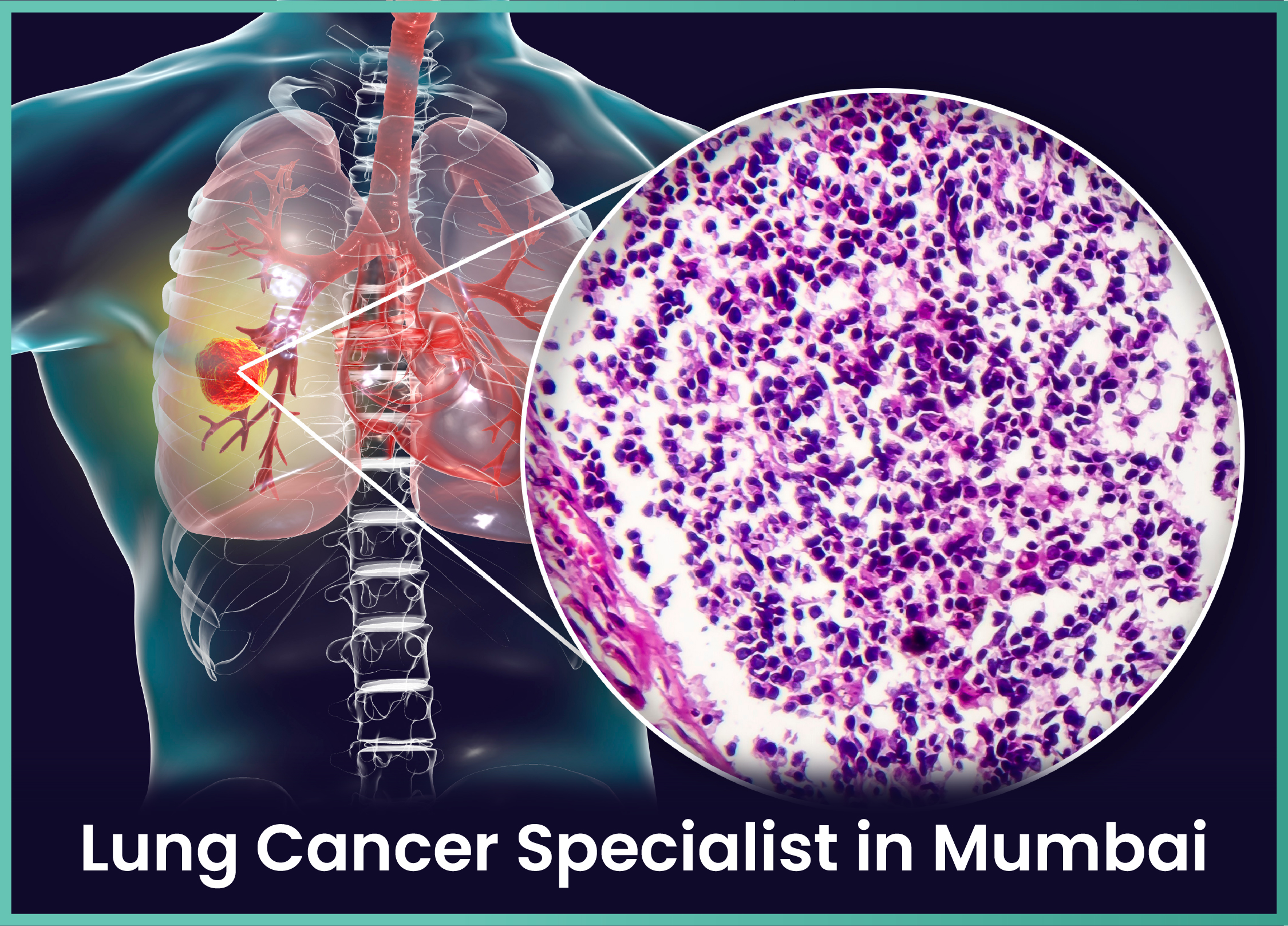
A lung cancer diagnosis can bring many questions and concerns for patients and their families. Understanding the disease, knowing the available treatment options and choosing the right cancer specialist are important steps in the cancer care journey. With advances in medical oncology, lung cancer can now be treated using different approaches depending on its type, stage, genetic profile and the patient's overall health.
If you are looking for a lung cancer specialist in Mumbai, it is important to consult an experienced medical oncologist who can evaluate your reports, understand your condition and guide you through suitable treatment options. Dr. Reetu Jain is an experienced Medical Oncologist and Bone Marrow Transplant (BMT) Physician in Mumbai who provides cancer care for different types of malignancies, including lung cancer.
With over 25 years of experience in oncology, Dr. Reetu Jain focuses on understanding each patient's condition and developing an individualised treatment approach. She is associated with Jaslok Hospital and Research Centre, Mumbai, where she serves as Director of the Bone Marrow Transplant Program and Academics.
Patients searching for a lung cancer doctor in Mumbai, a cancer doctor in South Mumbai or an experienced medical oncologist can seek professional guidance to understand their diagnosis and available treatment options.
Lung cancer treatment is not the same for every patient. Some patients may require chemotherapy, while others may benefit from targeted therapy, immunotherapy, radiation therapy or a combination of treatments. The choice depends on detailed medical evaluation and the specific characteristics of the cancer.
Understanding Lung Cancer and How It Develops
Lung cancer develops when abnormal cells in the lungs begin to grow uncontrollably. Normally, the cells in the body grow, divide and die in an organised manner. However, when changes occur in the DNA of lung cells, they may start multiplying without following the body's normal growth process.
Over time, these abnormal cells can form a tumour. If the tumour is cancerous, it may grow into nearby tissues and spread to other parts of the body through the blood or lymphatic system.
The lungs are responsible for taking oxygen into the body and removing carbon dioxide. When cancer develops in the lungs, it can affect normal breathing and overall health.
A Leukemia Specialist in South Mumbai can help patients understand their diagnosis, review investigation reports and determine whether chemotherapy, targeted therapy, immunotherapy or a bone marrow transplant may be appropriate.
Lung cancer may develop in people who smoke as well as those who have never smoked. Tobacco use is one of the major risk factors, but exposure to secondhand smoke, air pollution, workplace chemicals and certain environmental substances can also increase the risk.
Early medical evaluation is important because lung cancer may not cause noticeable symptoms in its initial stages. Consulting a lung cancer specialist in Mumbai can help patients understand suspicious findings, undergo appropriate investigations and receive timely medical guidance.
Types of Lung Cancer
Lung cancer is broadly divided into two main categories: Non-Small Cell Lung Cancer and Small Cell Lung Cancer. Identifying the type is an important part of diagnosis because treatment recommendations differ between them.
There are several subtypes of NSCLC.
- 1. Non-Small Cell Lung Cancer (NSCLC)
- Adenocarcinoma: This is a common type of lung cancer that develops in cells responsible for producing mucus. It can occur in smokers as well as people who have never smoked. It is frequently found in the outer areas of the lungs.
- Squamous Cell Carcinoma: This is a less common type that can develop in different areas of the lungs. It may grow and spread quickly.
- Large Cell Neuroendocrine Carcinoma: This is a less common type that can develop in different areas of the lungs. It may grow and spread quickly.
The treatment of Non-Small Cell Lung Cancer depends on the stage, tumour characteristics, molecular test results and the patient's general health. Depending on the findings, a medical oncologist may recommend chemotherapy, immunotherapy, targeted therapy or a combination of treatments.
- 2. Small Cell Lung Cancer (SCLC)
Small Cell Lung Cancer is a less common but generally more aggressive type of lung cancer. It is strongly associated with smoking and can spread quickly to other parts of the body.
It is generally classified into two stages:
- Limited-stage disease: Cancer is confined to a relatively limited area and may be treated within one radiation field.
- Extensive-stage disease: Cancer has spread beyond the limited area, including to distant organs.
Chemotherapy and radiation therapy are commonly used in its treatment. Immunotherapy may also be recommended in selected cases.
Patients diagnosed with small cell lung cancer require careful evaluation and a treatment plan based on the extent of the disease.
What Are the Common Risk Factors for Lung Cancer?
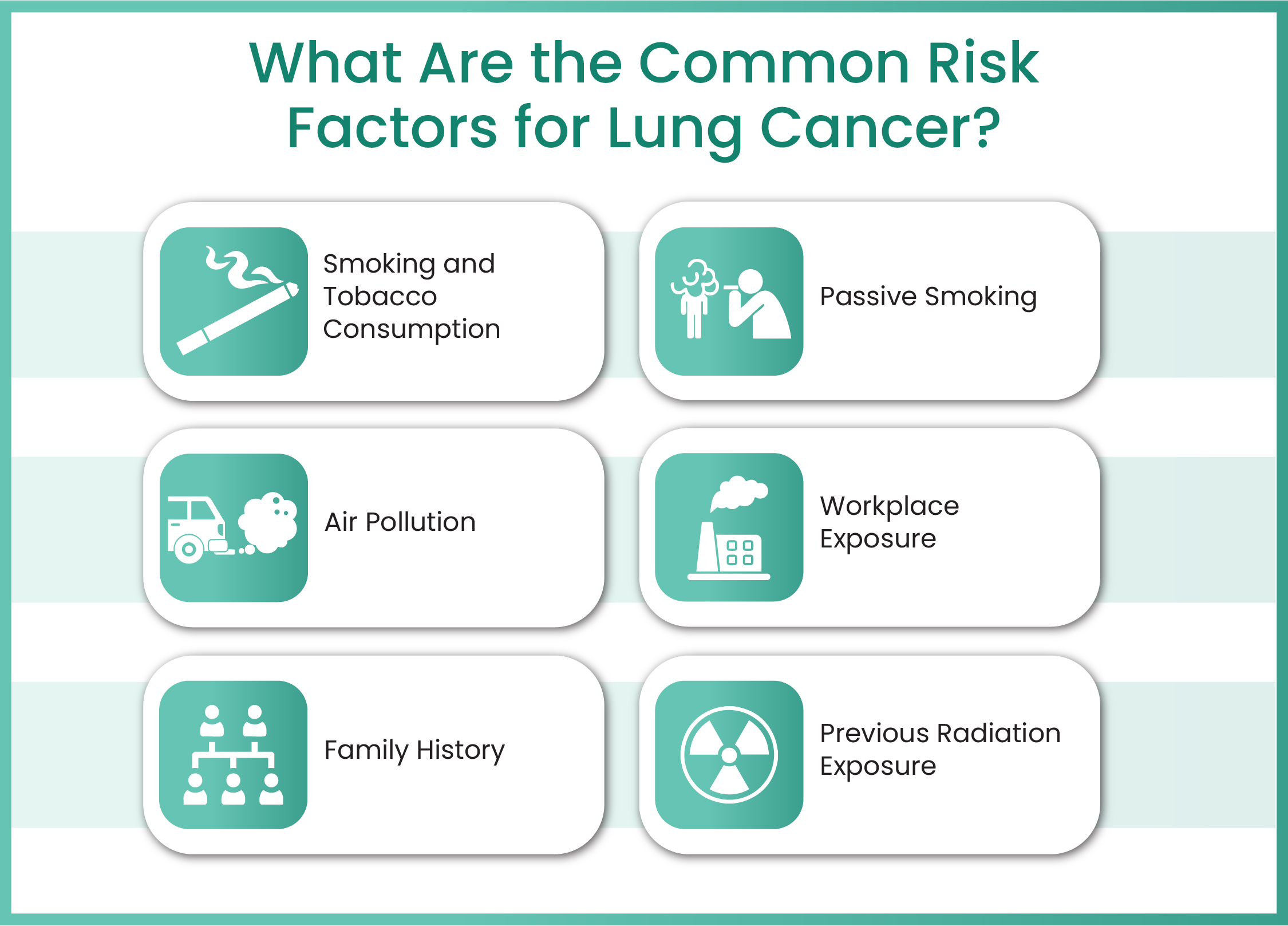
Understanding lung cancer risk factors can help people make informed decisions about their health. Having a risk factor does not necessarily mean that someone will develop cancer. However, certain exposures can increase the chances of developing the disease.
- 1. Smoking and Tobacco Consumption Smoking is one of the most significant
risk factors for lung cancer. Cigarettes, bidis, cigars and other tobacco products contain
harmful chemicals that can damage lung cells over time.
The risk generally increases with the number of cigarettes smoked and the number of years a person has smoked. Quitting smoking can improve overall health and reduce future health risks. - 2. Passive Smoking: People who do not smoke may still be exposed to harmful
chemicals when they regularly inhale smoke from other people's cigarettes or tobacco
products.
Long-term exposure to secondhand smoke can increase the risk of lung cancer. Avoiding smoke-filled environments is an important preventive step. - 3. Air Pollution: Air pollution is an important environmental health
concern, particularly in large cities such as Mumbai. Long-term exposure to polluted air,
fine particulate matter and certain airborne substances may increase the risk of lung
cancer.
Vehicle emissions, industrial pollution, construction dust and other environmental pollutants can affect respiratory health. - 4. Workplace Exposure: Certain occupations may expose individuals to
substances associated with lung cancer, including asbestos, arsenic, silica, diesel exhaust
and other industrial chemicals.
People working in construction, mining, manufacturing and some industrial environments should follow appropriate workplace safety measures. - 5. Family History: A family history of lung cancer may contribute to an
individual's overall risk. Both inherited genetic factors and shared environmental exposures
may play a role.
However, having a family member with lung cancer does not mean that another family member will definitely develop the disease. - 6. Previous Radiation Exposure: People who have received radiation therapy to the chest for another cancer may have an increased risk of developing lung cancer later in life. This risk depends on several factors, including previous treatment and individual medical history.
Signs and Symptoms of Lung Cancer
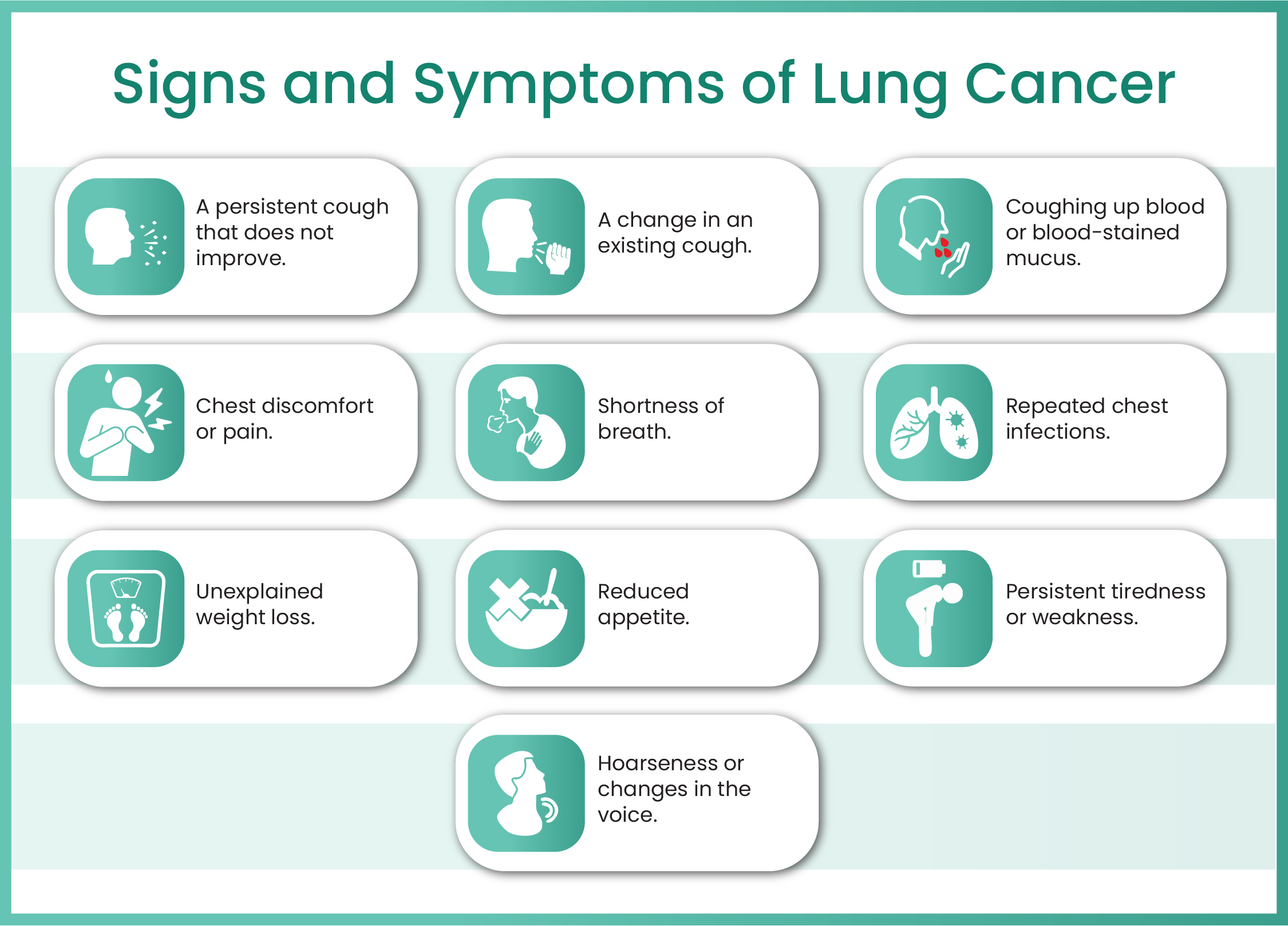
Lung cancer does not always cause symptoms during its early stages. In some patients, it may be discovered during imaging investigations performed for another medical reason.
As the disease develops, certain symptoms may become noticeable.
Common signs and symptoms include:
- A persistent cough that does not improve.
- A change in an existing cough.
- Coughing up blood or blood-stained mucus.
- Chest discomfort or pain.
- Shortness of breath.
- Repeated chest infections.
- Unexplained weight loss.
- Reduced appetite.
- Persistent tiredness or weakness.
- Hoarseness or changes in the voice.
Some patients may also experience symptoms if cancer spreads to other parts of the body. These can include headaches, bone pain or neurological changes.
It is important to remember that these symptoms can also occur because of conditions other than cancer. Having one or more symptoms does not automatically mean that a person has lung cancer.
However, persistent or unexplained symptoms should not be ignored. A medical evaluation can help identify the underlying cause and determine whether further investigations are required.
If you are concerned about a persistent cough, breathing difficulties or an abnormal chest scan, consulting a lung cancer doctor in Mumbai can help you understand the next steps.
How Is Lung Cancer Diagnosed?
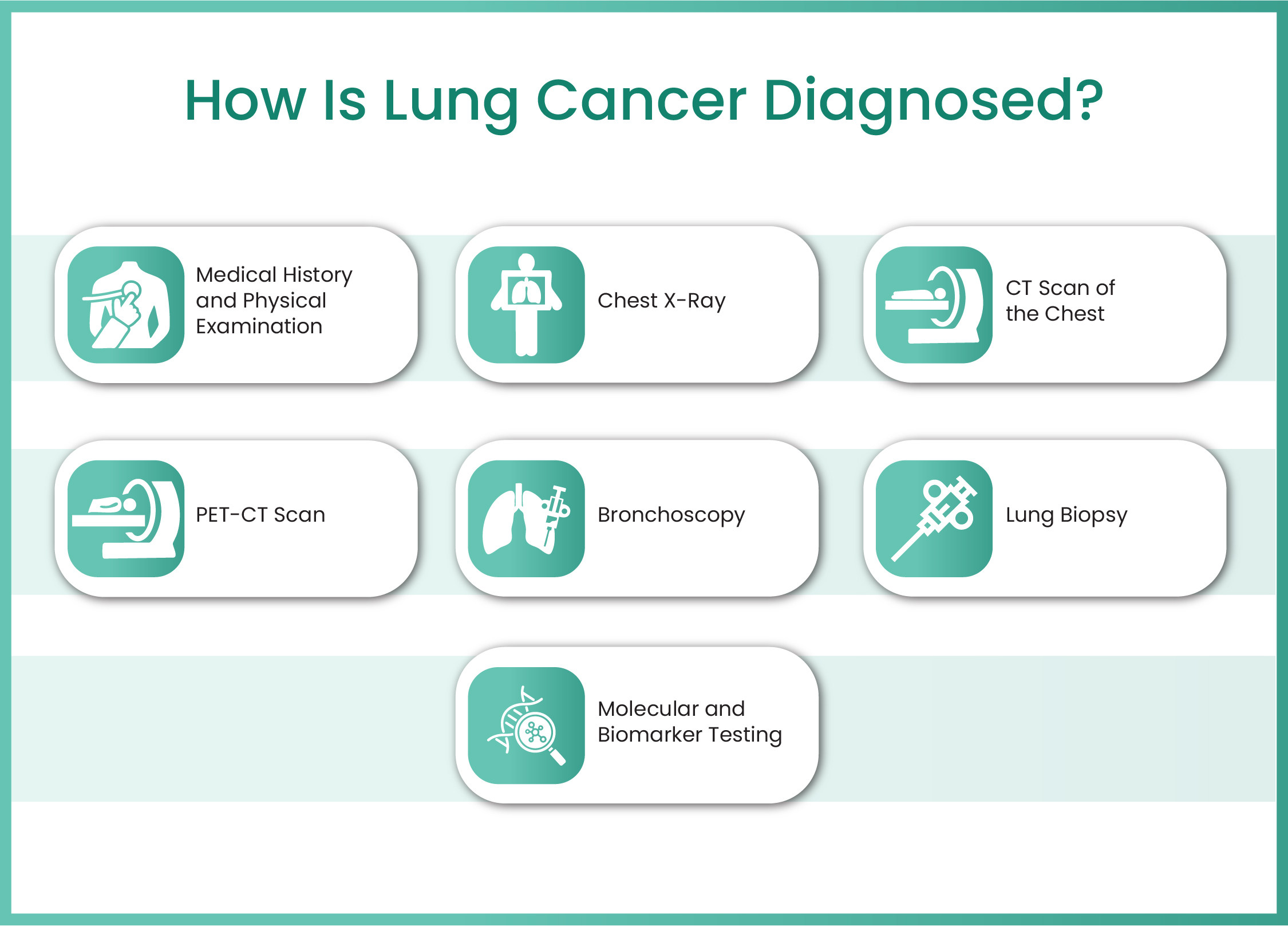
Accurate diagnosis is essential for selecting the right lung cancer treatment. Doctors use different investigations to understand the location of the tumour, its size, the type of cancer and whether it has spread.
- 1. Medical History and Physical Examination: The diagnostic process usually
begins with a detailed discussion about the patient's health, symptoms, smoking history,
previous medical conditions and family history.
The doctor may also review occupational exposure, previous treatments and other relevant health information.
A physical examination helps assess the patient's general condition and identify findings that may require further investigation. - 2. Chest X-Ray : A chest X-ray may be recommended when a patient has
persistent respiratory symptoms or other clinical concerns.
It can show certain abnormalities in the lungs, such as a suspicious shadow or mass. However, an X-ray alone cannot confirm lung cancer.
Additional investigations may be required to understand the abnormality more clearly. - 3. CT Scan of the Chest A CT scan provides detailed images of the lungs and
surrounding structures. It can help identify the size, position and appearance of a
suspicious lung mass.
It may also provide information about nearby lymph nodes and other areas that require further assessment. - 4. PET-CT Scan: A PET-CT scan combines metabolic imaging with detailed anatomical imaging. It can help doctors evaluate areas of increased metabolic activity and assess whether cancer may have spread to other parts of the body.
- 5. Bronchoscopy: Bronchoscopy is a procedure in which a thin, flexible
tube with a camera is passed through the nose or mouth into the airways.
It allows the doctor to examine the air passages and collect tissue samples from suspicious areas when accessible. - 6. Lung Biopsy:A biopsy is an important investigation used to confirm
whether a suspicious growth is cancerous.
During a biopsy, a small tissue sample is collected and examined under a microscope. Depending on the tumour's location, the sample may be obtained through bronchoscopy, a needle biopsy or another appropriate procedure.
The biopsy report helps identify the cancer type and provides information needed for further testing. - 7. Molecular and Biomarker Testing:A biopsy is an important investigation
used to confirm
whether a suspicious growth is cancerous.
During a biopsy, a small tissue sample is collected and examined under a microscope. Depending on the tumour's location, the sample may be obtained through bronchoscopy, a needle biopsy or another appropriate procedure.
The biopsy report helps identify the cancer type and provides information needed for further testing.
Understanding the Stages of Lung Cancer
Lung cancer staging describes how far the disease has spread. It helps doctors understand the extent of cancer and select an appropriate treatment approach.
- Stage 1 Lung Cancer: At this stage, cancer is generally limited to the lung and has not spread to nearby lymph nodes. Treatment may involve surgery or other local treatment approaches depending on the patient's condition and tumour characteristics.
- Stage 2 Lung Cancer In Stage 2, the tumour may be larger or may have spread
to nearby lymph nodes or structures, depending on the specific staging classification.
Treatment may involve surgery followed by chemotherapy or other additional treatments. The decision depends on detailed evaluation. - Stage 3 Lung Cancer: Stage 3 lung cancer may involve nearby lymph nodes or
surrounding structures in the chest. It is a more locally advanced form of the disease.
Treatment may include chemotherapy, radiation therapy, immunotherapy or a combination of approaches. Some selected patients may also be considered for surgery. - Stage 4 Lung Cancer: Stage 4 lung cancer means that the cancer has spread
to distant areas of the body or has certain patterns of spread within the chest.
Treatment generally focuses on controlling the disease, managing symptoms and maintaining quality of life. Targeted therapy, immunotherapy and chemotherapy may be considered depending on the tumour's characteristics.
The stage alone does not determine the entire treatment plan. Molecular findings, general health, symptoms and treatment response are also important.
Lung Cancer Treatment in Mumbai
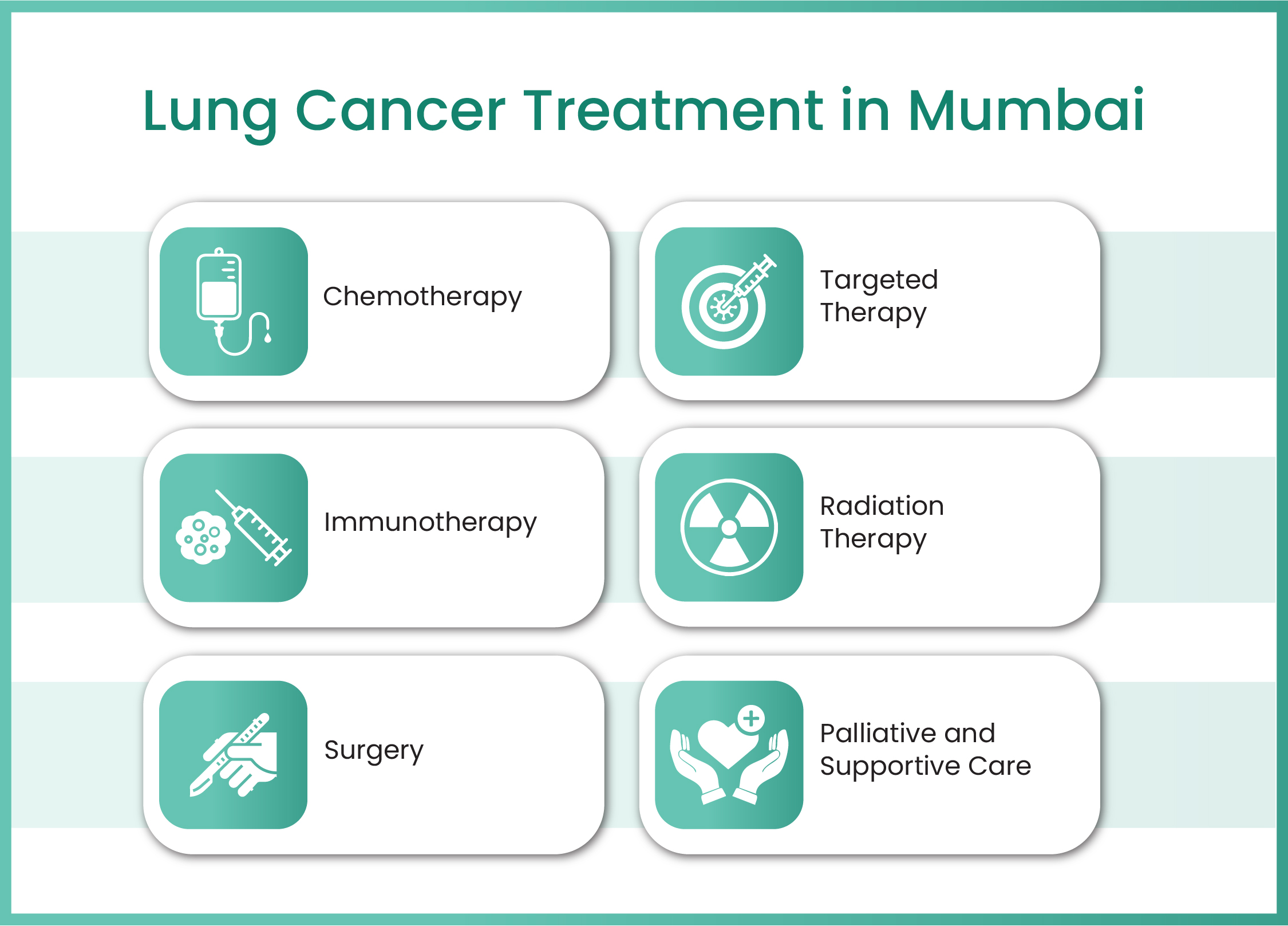
Lung cancer treatment has improved significantly with advances in medical research, diagnostic technology and cancer medicines.
Today, patients may have access to several treatment options. The most suitable approach depends on the type of lung cancer, its stage, molecular profile, previous treatment and overall health.
When considering lung cancer treatment in Mumbai, patients should seek a treatment plan that is based on accurate diagnosis and individual medical requirements.
- 1. Chemotherapy for Lung Cancer: Chemotherapy uses medicines to destroy
cancer cells or stop them from multiplying.
It may be recommended in different situations, including:- Before surgery to reduce the size of a tumour in selected patients.
- Advanced or metastatic lung cancer
- Along with radiation therapy for certain locally advanced cancers.
- As a primary treatment for some advanced lung cancers.
- In combination with immunotherapy in selected cases.
Chemotherapy is generally given in cycles, allowing the body time to recover between treatments.
Possible side effects include nausea, tiredness, hair loss, changes in appetite and a reduced blood cell count. Not every patient experiences the same side effects, and supportive medicines can help manage many treatment-related problems.
- 2. Targeted Therapy for Lung Cancer: Targeted therapy is an important
advancement in modern lung cancer care.
Some lung cancer cells contain specific genetic changes that help them grow and survive. Targeted medicines are designed to act on these changes and interfere with cancer cell growth.
For example, patients with certain EGFR, ALK, ROS1 or other actionable alterations may be considered for specific targeted medicines. Before recommending this treatment, doctors review the molecular testing report to determine whether an appropriate target is present.
Targeted therapy may be given as tablets or other medicines depending on the specific drug. Patients require regular monitoring to evaluate treatment response and manage possible side effects. - 3. Immunotherapy for Lung Cancer:Immunotherapy is a type of cancer
treatment that helps the body's immune system recognise and attack cancer cells.
Cancer cells can sometimes avoid being detected by the immune system. Certain immunotherapy medicines work by blocking the signals that allow cancer cells to hide from immune activity.
Immunotherapy may be used alone or in combination with chemotherapy, depending on the type and stage of lung cancer and relevant biomarker results.
PD-L1 testing may help doctors determine whether certain immunotherapy options are appropriate.
Immunotherapy is not suitable for every patient. It can also cause immune-related side effects affecting organs such as the lungs, liver, thyroid and intestines. Regular medical monitoring is therefore important. - 4. Radiation Therapy:Radiation therapy uses high-energy radiation to damage
cancer cells and control tumour growth.
It may be recommended for patients who cannot undergo surgery, patients with locally advanced disease or those who require treatment for specific symptoms.
In selected early-stage lung cancers, a specialised technique called stereotactic body radiotherapy (SBRT) may be considered.
Radiation therapy can also help relieve symptoms caused by cancer spread, depending on the patient's condition. - 5. Surgery for Lung Cancer :Surgery may be considered when lung cancer is
detected at an early stage and the tumour can be safely removed.
Depending on the location and size of the tumour, different surgical procedures may be performed.
These include:- Wedge resection: Removal of a small section of lung tissue.
- Segmentectomy: Removal of a specific segment of the lung.
- Lobectomy: Removal of an entire lobe of the lung.
- Pneumonectomy: Removal of an entire lung in selected cases.
The suitability of surgery depends on the cancer stage, lung function, general health and other medical factors. A thoracic surgeon evaluates the surgical approach, while the medical oncologist helps plan systemic treatment when needed.
- 6. Palliative and Supportive Care:Supportive care is an important part of
lung cancer management. It focuses on improving comfort and helping patients manage symptoms
throughout their treatment journey.
It may include pain management, breathing support, nutritional guidance, psychological support and management of treatment-related side effects.
Palliative care can be provided alongside active cancer treatment. It does not mean that cancer treatment has stopped or that the patient has no further options.
The goal is to support the patient's physical, emotional and overall well-being.
Why Molecular Testing Is Important in Lung Cancer Treatment?
Every lung cancer is not biologically the same. Even patients diagnosed with the same type and stage of lung cancer may respond differently to treatment.
This is why molecular testing and biomarker analysis have become important parts of modern lung cancer management.
These tests look for specific changes in the cancer cells that may help doctors select suitable medicines.
For example, some patients with EGFR mutations may benefit from EGFR-targeted medicines. Patients with certain ALK or ROS1 alterations may be considered for corresponding targeted treatments.
PD-L1 testing can provide useful information when evaluating immunotherapy options.
Molecular testing can also help avoid choosing treatments that may not be suitable for a particular tumour profile.
Patients should discuss the availability and relevance of molecular testing with their medical oncologist. The doctor will recommend tests based on the biopsy findings, cancer type and clinical situation.
Can Non-Smokers Develop Lung Cancer?
Yes. Lung cancer can also develop in people who have never smoked.
Although smoking is a major risk factor, it is not the only cause of the disease. Non-smokers may develop lung cancer because of long-term exposure to air pollution, secondhand smoke, radon, workplace chemicals or other environmental factors.
Some non-smoking patients may have lung cancers associated with specific genetic changes.
This is one reason why molecular testing is important in appropriate patients.
People should not assume that lung cancer only affects smokers. Persistent respiratory symptoms and unexplained changes in health deserve medical attention, regardless of smoking history.
Importance of Choosing the Right Lung Cancer Doctor in Mumbai
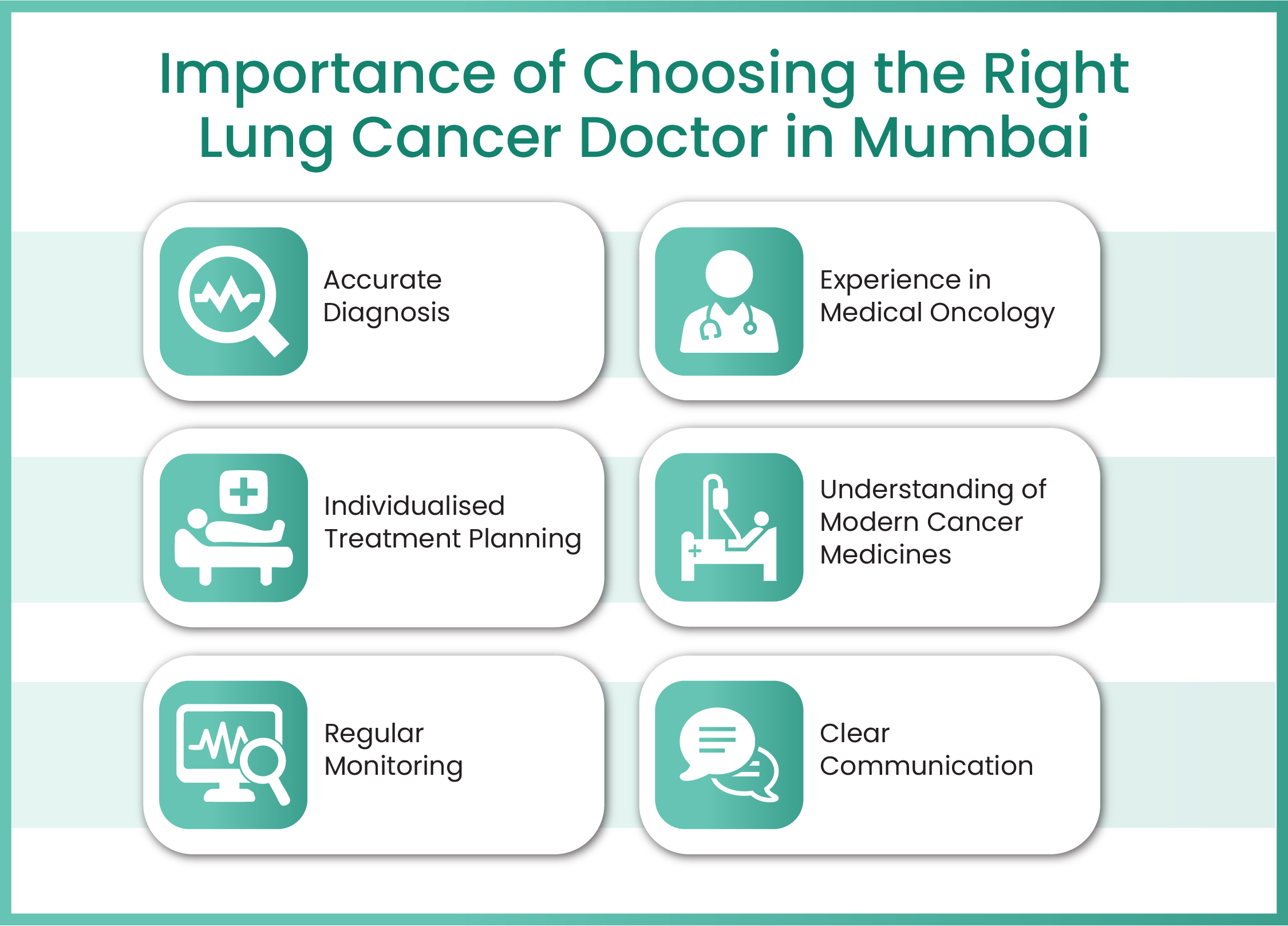
A lung cancer diagnosis requires careful medical assessment and coordination between different specialists. Choosing an experienced medical oncologist can help patients understand their diagnosis and make informed decisions about treatment.
When looking for the right lung cancer doctor in Mumbai, patients should consider several factors.
- 1. Experience in Medical Oncology: An oncologist with relevant experience can evaluate different cancer types, understand treatment developments and guide patients through available medical options.
- 2. Accurate Diagnosis: Reviewing biopsy findings, imaging scans and molecular reports is important before starting treatment.
- 3. Individualised Treatment Planning: Treatment should be based on the patient's specific cancer type, stage, molecular profile, general health and preferences.
- 4. Understanding of Modern Cancer Medicines: Chemotherapy, targeted therapy and immunotherapy have different uses. Understanding their benefits, limitations and possible side effects helps in selecting appropriate treatment.
- 5. Regular Monitoring: Cancer treatment requires follow-up consultations, blood tests, scans and evaluation of treatment response.
- 6. Clear Communication: Patients and family members should have an opportunity to understand the diagnosis, treatment options and possible outcomes.
Consult Dr. Reetu Jain for Lung Cancer Care in Mumbai
Dr. Reetu Jain is a Medical Oncologist and Bone Marrow Transplant Physician based in Mumbai, with over 25 years of experience in cancer care.
She serves as the Director of the Bone Marrow Transplant Program and Academics at Jaslok Hospital and Research Centre. Her clinical experience includes the management of different solid tumours and blood cancers.
Her treatment areas include lung cancer, breast cancer, gastrointestinal cancers, kidney cancer, ovarian cancer, head and neck cancers, lymphomas, leukaemia and multiple myeloma.
For patients looking for a lung cancer specialist in Mumbai, Dr. Reetu Jain provides medical oncology consultation and guidance regarding appropriate cancer treatment options.
Her approach involves understanding the patient's medical history, evaluating diagnostic reports and considering the available treatment choices.
Lung cancer care may involve chemotherapy, targeted therapy, immunotherapy and coordination with other specialists for radiation therapy or surgical treatment when required.
Every patient has a different medical history and cancer profile. Therefore, treatment decisions should be made after a detailed consultation and review of relevant investigations.
Patients from South Mumbai, Tardeo, Pedder Road, Hughes Road, Malabar Hill, Cumballa Hill and other parts of Mumbai can explore consultation options with Dr. Reetu Jain.
Lung Cancer Consultation in South Mumbai
Access to an experienced cancer doctor in South Mumbai can make it easier for patients and their families to seek medical advice, review diagnostic reports and plan further treatment.
Dr. Reetu Jain consults at Jaslok Hospital and Research Centre, located on Pedder Road, Tardeo, Mumbai. She also consults at her clinic at Panchasheel Plaza, Hughes Road, Mumbai.
Patients visiting for a lung cancer consultation should carry their previous medical records, including:
- Chest X-ray and CT scan reports.
- PET-CT scan reports, if available.
- Lung biopsy and histopathology reports.
- Molecular testing and biomarker reports.
- Previous chemotherapy or radiation treatment records.
- Current medication details.
- Previous blood investigation reports.
Having these documents available can help the doctor understand the medical history and decide whether additional investigations are required.
If you are searching online for a cancer doctor in South Mumbai, a lung cancer oncologist in Mumbai or guidance regarding advanced lung cancer treatment, a professional consultation can help you understand the next steps.
Living With Lung Cancer: Support Beyond Treatment
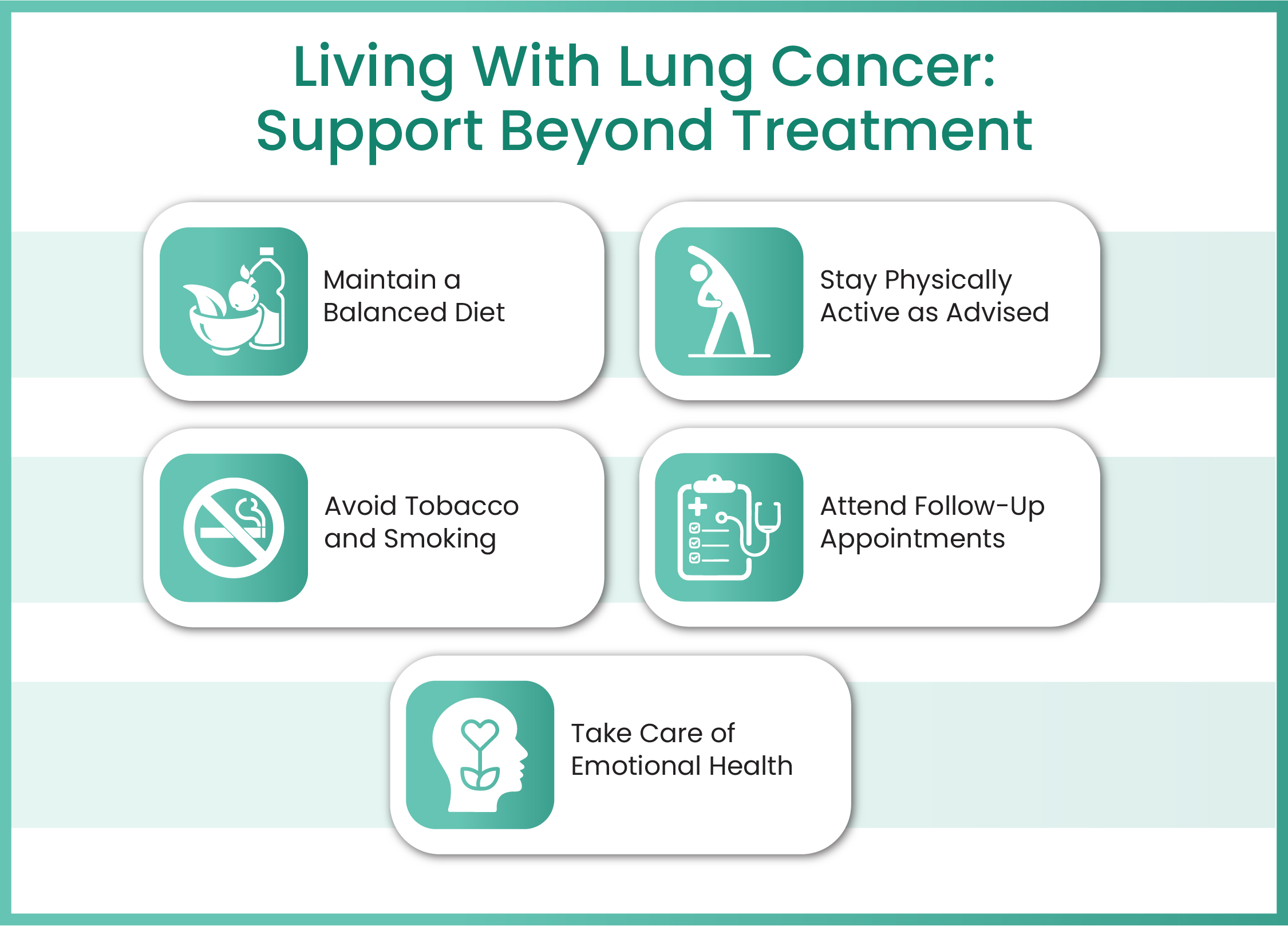
A lung cancer diagnosis can affect many aspects of a person's life. Patients may experience physical discomfort, emotional stress, changes in appetite, tiredness and concerns about the future.
Cancer care should therefore focus on more than medicines and medical procedures.
- 1. Maintain a Balanced DietEating nutritious meals can help patients
maintain strength during treatment. A balanced diet may include vegetables, fruits,
whole grains, protein-rich foods and adequate fluids.
Some patients may experience appetite loss, nausea or difficulty swallowing. In such situations, a doctor or qualified dietitian can suggest suitable dietary changes. - 2. Stay Physically Active as Advised Physical activity can help
maintain strength and general well-being. However, exercise should be based on the
patient's condition and energy levels.
Simple activities such as short walks may be appropriate for some patients, while others may need additional rest or supervised rehabilitation. - 3. Avoid Tobacco and Smoking Patients diagnosed with lung cancer should
avoid smoking and tobacco products. Quitting smoking can support overall health and may
help improve treatment tolerance and recovery.
Family members should also avoid smoking around patients. - 4. Attend Follow-Up Appointments Regular follow-up is important even
after completing treatment. Doctors may recommend scans, blood tests and clinical
examinations to monitor recovery and check for signs of recurrence.
Patients should report new or worsening symptoms rather than waiting for their next scheduled appointment. - 5. Take Care of Emotional Health Cancer treatment can be emotionally
challenging for patients and their families. Speaking with loved ones, joining
appropriate support groups or consulting a mental health professional can help patients
manage anxiety and stress.
Having clear information about the treatment plan can also make the journey easier to understand.
Frequently Asked Questions About Lung Cancer Treatment in Mumbai
1. Who is the right specialist for lung cancer treatment?
A
medical oncologist is a specialist who manages cancer using medicines such as chemotherapy,
targeted therapy and immunotherapy. Depending on the patient's condition, a thoracic
surgeon, radiation oncologist, pulmonologist and other specialists may also be involved in
treatment planning.
2. Who is a lung cancer specialist in Mumbai??
Patients looking
for lung cancer care in Mumbai can consult Dr. Reetu Jain, a Medical Oncologist and BMT
Physician associated with Jaslok Hospital and Research Centre. She provides medical oncology
care for different cancers, including lung cancer.
3. Can lung cancer be treated successfully?
Lung cancer treatment
outcomes depend on the type of cancer, stage, molecular profile, overall health and response
to treatment. Some early-stage lung cancers can be treated with curative intent. In advanced
cases, treatment may help control the disease, manage symptoms and improve quality of life.
4. What is the best treatment for lung cancer?
There is no single
treatment that is best for every patient. Treatment may involve surgery, chemotherapy,
radiation therapy, targeted therapy or immunotherapy. The most suitable option depends on
the cancer type, stage, molecular test results and the patient's overall health.
5. Is lung cancer possible in people who have never smoked?
No.
Bone marrow transplant is not required for every leukemia patient. It is
considered for selected patients depending on the type of leukemia, disease risk, treatment
response and overall health.
6. What tests are needed to diagnose lung cancer?
Doctors may recommend chest imaging, CT scans, PET-CT scans, bronchoscopy, biopsy and
molecular testing. The exact tests depend on the patient's symptoms and initial
investigation findings.
7. Why is a lung biopsy important?
A biopsy helps confirm
whether a suspicious lung growth is cancerous. It also helps identify the cancer type and
provides tissue for additional testing when appropriate.
8. What is the difference between small cell and non-small cell lung
cancer?
Small Cell Lung Cancer generally grows and spreads more quickly, while Non-Small
Cell Lung Cancer is the more common category and includes adenocarcinoma, squamous cell
carcinoma and large cell carcinoma. Their treatment approaches are different.
9. Is targeted therapy available for lung cancer?
Yes. Targeted
therapy may be recommended when cancer testing identifies certain genetic changes, such as
EGFR, ALK or ROS1 alterations. The choice of medicine depends on the exact molecular
findings and the patient's medical condition.
10. Is immunotherapy useful for lung cancer?
Immunotherapy can be
helpful for selected patients with lung cancer. Its suitability depends on the cancer type,
stage, biomarker results, previous treatment and other medical factors.
11. How long does lung cancer treatment take?
The duration of lung
cancer treatment varies based on the cancer type, stage, and the patient's overall health.
Treatment plans are tailored to each individual case.
12. When should I consult a lung cancer doctor?
You should seek
medical evaluation if you have a persistent cough, coughing up blood, unexplained weight
loss, ongoing chest discomfort, breathing difficulties or an abnormal scan. These symptoms
do not always indicate cancer, but they should be assessed appropriately.
13. Can advanced lung cancer be managed?
Yes. Although advanced
lung cancer may be more difficult to treat, several options can help control the disease in
appropriate patients. Targeted therapy, immunotherapy, chemotherapy and supportive care may
be considered depending on the patient's condition.
14. Where can I consult Dr. Reetu Jain for lung cancer treatment in
Mumbai?
Dr. Reetu Jain consults at Jaslok Hospital and Research Centre, Pedder Road,
Tardeo, Mumbai, and at her clinic at Panchasheel Plaza, Hughes Road, Mumbai. Appointments
can be arranged through the contact details available on her official website.
Book a Consultation with Dr. Reetu Jain – Lung Cancer Doctor in Mumbai
Choosing the right medical guidance is an important step after a lung cancer diagnosis. Understanding the type of cancer, stage, biopsy findings and available treatment options can help patients make informed decisions.
Dr. Reetu Jain, an experienced Medical Oncologist in Mumbai, provides consultation and medical oncology care for patients with lung cancer and other malignancies.
Whether you are looking for a lung cancer specialist in Mumbai, a cancer doctor in South Mumbai, a medical oncologist for a second opinion or guidance about lung cancer treatment options, seeking timely professional advice is important.
For consultation and appointment-related information, visit the official website of Dr. Reetu Jain.