
Kidney Cancer
Kidney Cancer


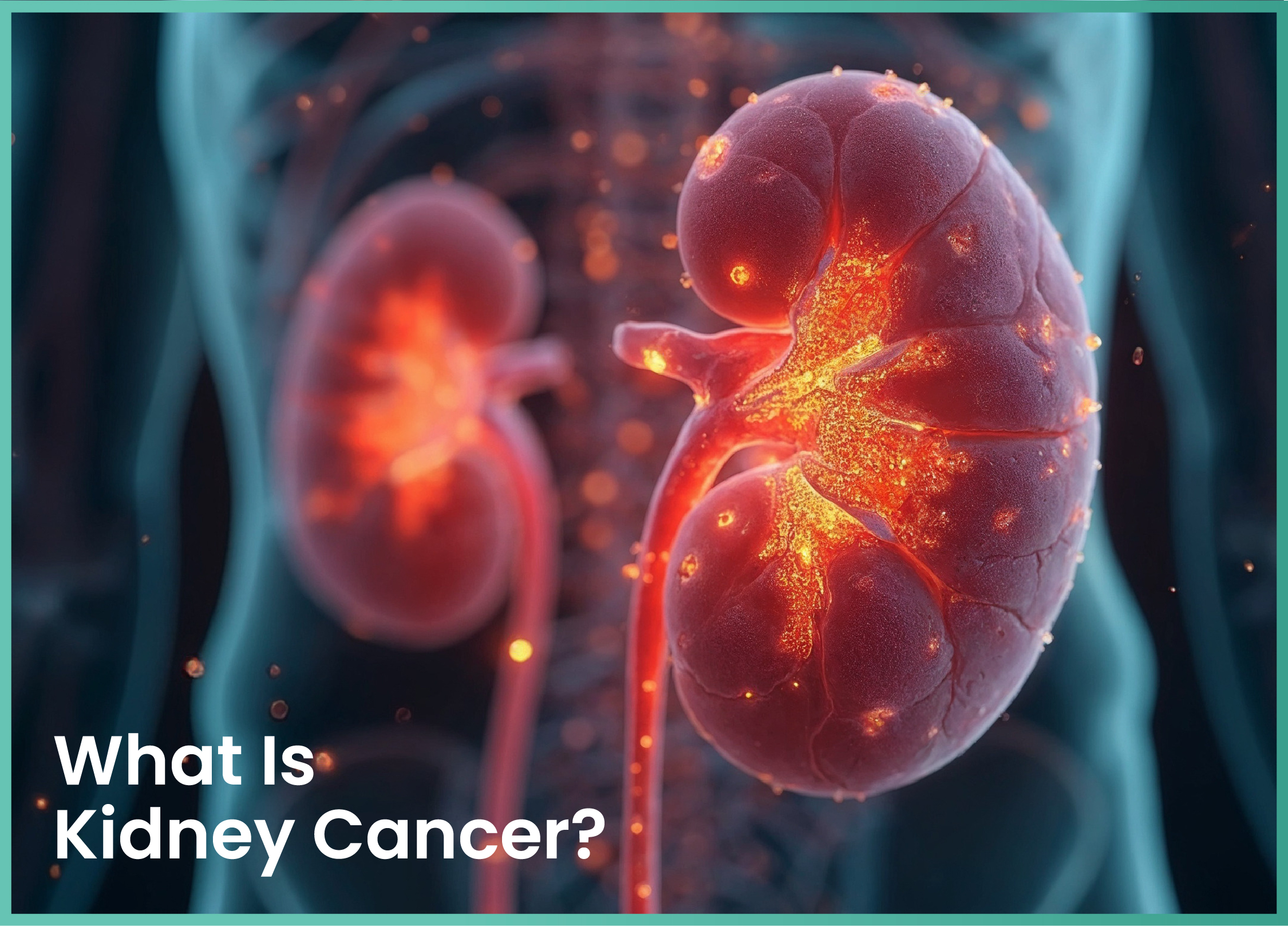
Kidney cancer, though not as widely talked about as some other cancers, affects thousands of people each year. The good news? When detected early, it is often treatable. But understanding the warning signs, risk factors, and treatment options can make a real difference in how quickly it’s managed.
What Is Kidney Cancer?
Kidney cancer begins when cells in the kidneys start to grow uncontrollably. These abnormal cells form a mass called a tumor, which can be benign (non-cancerous) or malignant (cancerous). Most kidney cancers begin in the lining of tiny tubes (called tubules) in the kidney. This type is known as renal cell carcinoma (RCC) and accounts for about 90% of all kidney cancers.
The kidneys are bean-shaped organs located in the lower back, one on each side of the spine. They filter blood, remove waste through urine, and help control blood pressure. When cancer affects the kidneys, it can impact these essential functions.
Types of Kidney Cancer:
- Renal cell carcinoma: This cancer begins in the lining of the small tubes inside the kidney that filter blood and produce urine. It makes up about 9 out of 10 kidney cancer cases. Within renal cell carcinoma, there are several subtypes, such as clear cell, papillary, and chromophobe. Each of these has its own characteristics and may respond differently to treatment, which is why doctors often perform tests to find out the specific subtype.
- Transitional cell carcinoma: starts in the area of the kidney where urine collects before moving to the bladder. This part of the kidney is known as the renal pelvis. Transitional cell carcinoma behaves more like bladder cancer than kidney cancer and is treated differently from renal cell carcinoma. Though less common than renal cell carcinoma, it is still an important type to be aware of because it can affect both the kidneys and urinary tract.
- Wilms tumor: Unlike other kidney cancers that usually affect adults, Wilms tumor is mostly seen in young children, especially those under five years old. It is very uncommon in adults. Fortunately, Wilms tumor often responds well to treatment, and many children with this type of cancer recover fully with the right care.
- Renal sarcoma: It begins in the connective tissue or blood vessels of the kidney rather than the kidney cells themselves. This type is aggressive and can spread quickly to nearby organs. Because it is so rare, renal sarcoma is not often seen in regular practice, but when it does occur, it requires specialized treatment.
Dr. Reetu Jain, an experienced kidney cancer specialist, works closely with patients to identify the exact type of kidney cancer through advanced testing and imaging. Knowing the precise type helps in selecting the most effective treatment plan tailored to the patient’s individual needs. Whether the cancer is common or rare, early and accurate diagnosis is the first step toward successful management and recovery.
Signs and Symptoms:
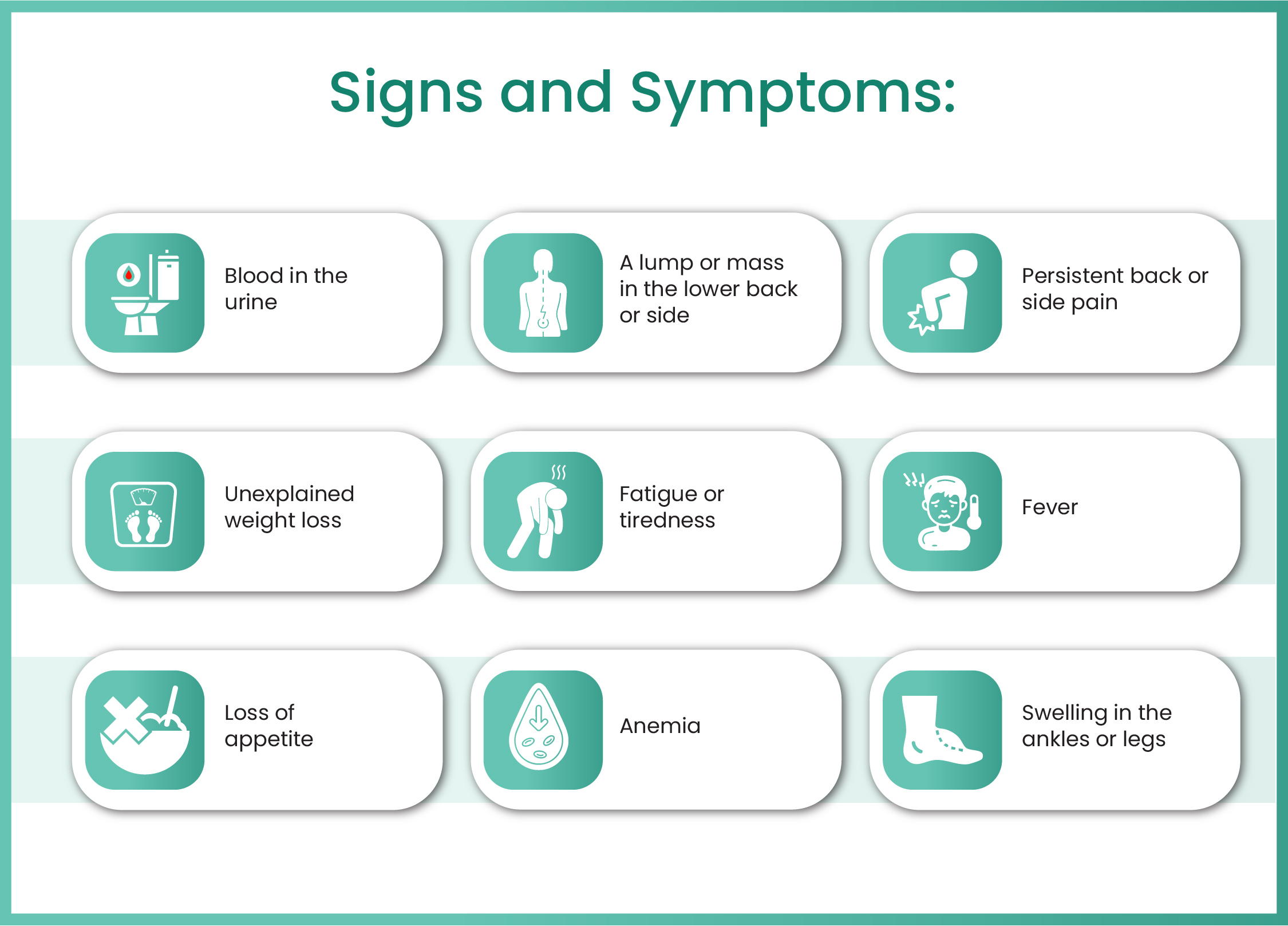
In the early stages, kidney cancer might not cause any noticeable symptoms. It’s often found during tests for other conditions. However, as the cancer grows, certain symptoms may appear.
- Blood in the urine (even if it happens just once)
- A lump or mass in the lower back or side
- Persistent back or side pain not caused by injury
- Unexplained weight loss
- Fatigue or tiredness
- Fever not related to an infection
- Loss of appetite
- Anemia (low red blood cell count)
- Swelling in the ankles or legs
It’s important to understand that these symptoms can be linked to many other conditions. But if they persist, consult a kidney cancer expert like Dr. Reetu Jain for a proper evaluation.
Risk Factors of Kidney Cancer:
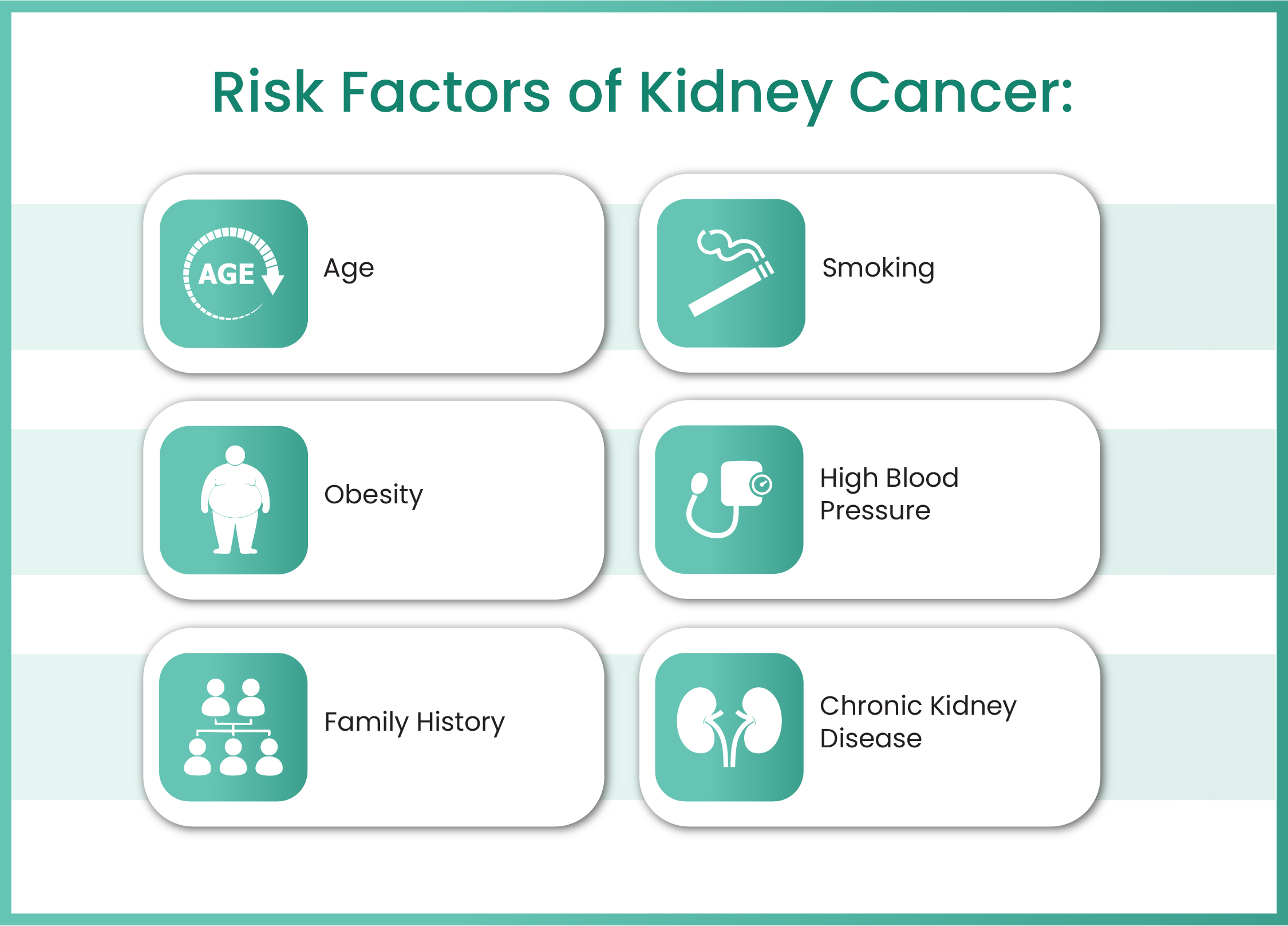
- Age: Most kidney cancers are diagnosed in people over 45.
- Smoking: Smokers are at a much higher risk.
- Obesity: Excess weight can lead to hormonal changes that may increase the risk.
- High Blood Pressure: Chronic hypertension is linked to kidney cancer.
- Family History: A close relative with kidney cancer raises your risk.
- Chronic Kidney Disease (CKD): People on long-term dialysis are more susceptible
Kidney cancer doesn’t have a single known cause. Instead, several risk factors can increase a person’s chances of developing the disease. Some of these are controllable, while others are not.
Common Risk Factors:
Diagnosis: How Is Kidney Cancer Detected?
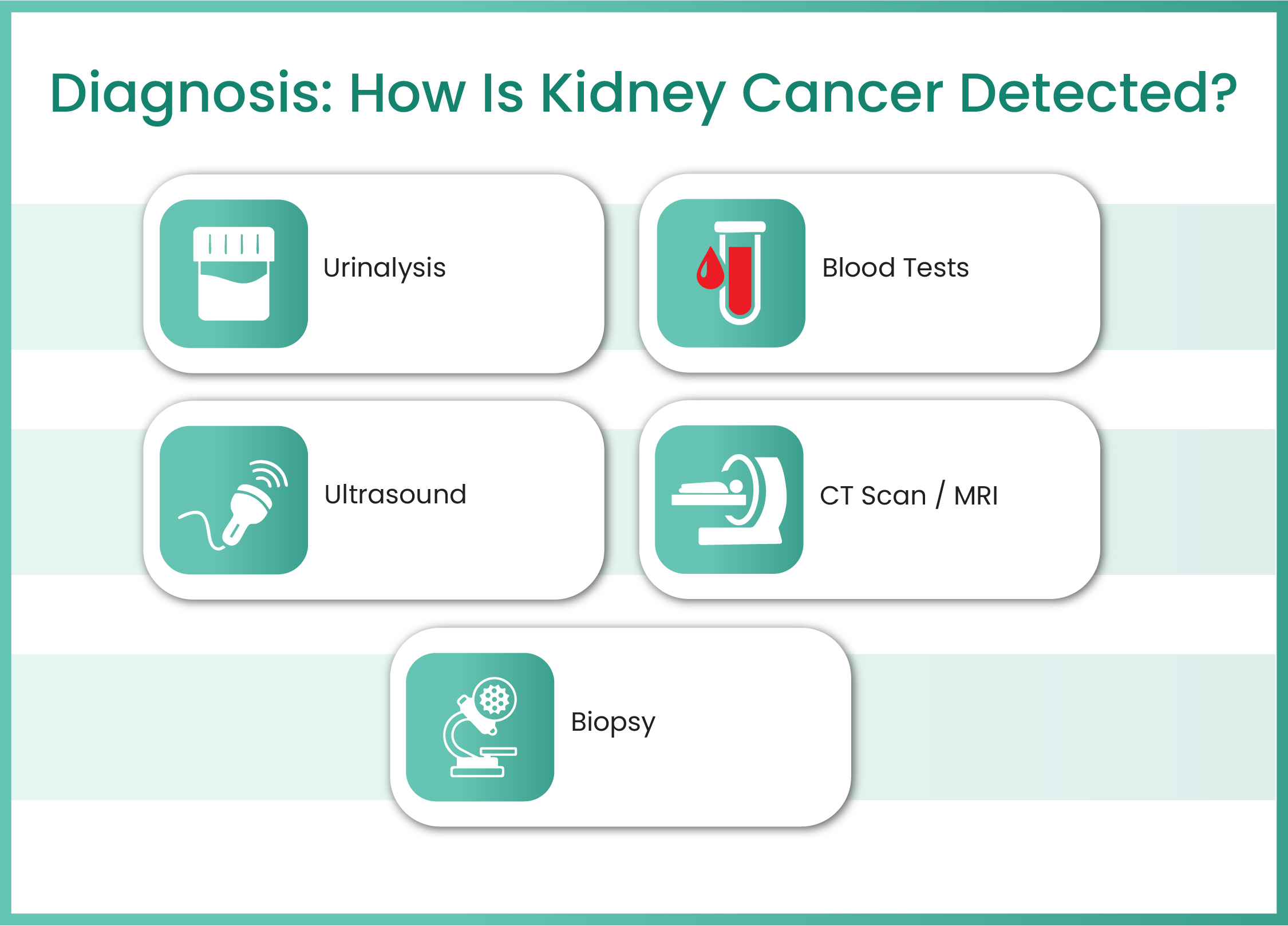
- Urinalysis: Detects blood or abnormal cells in urine
- Blood Tests: Check kidney function and red blood cell levels
- Ultrasound: A simple and quick scan to see any mass in the kidney
- CT Scan / MRI: Provides detailed images of the kidney and surrounding areas
- Biopsy: A small tissue sample may be taken to confirm cancer
Early detection saves lives. When kidney cancer is suspected, your doctor will order tests to confirm the diagnosis and check if the cancer has spread.
Common Diagnostic Tests:
Treatment options:
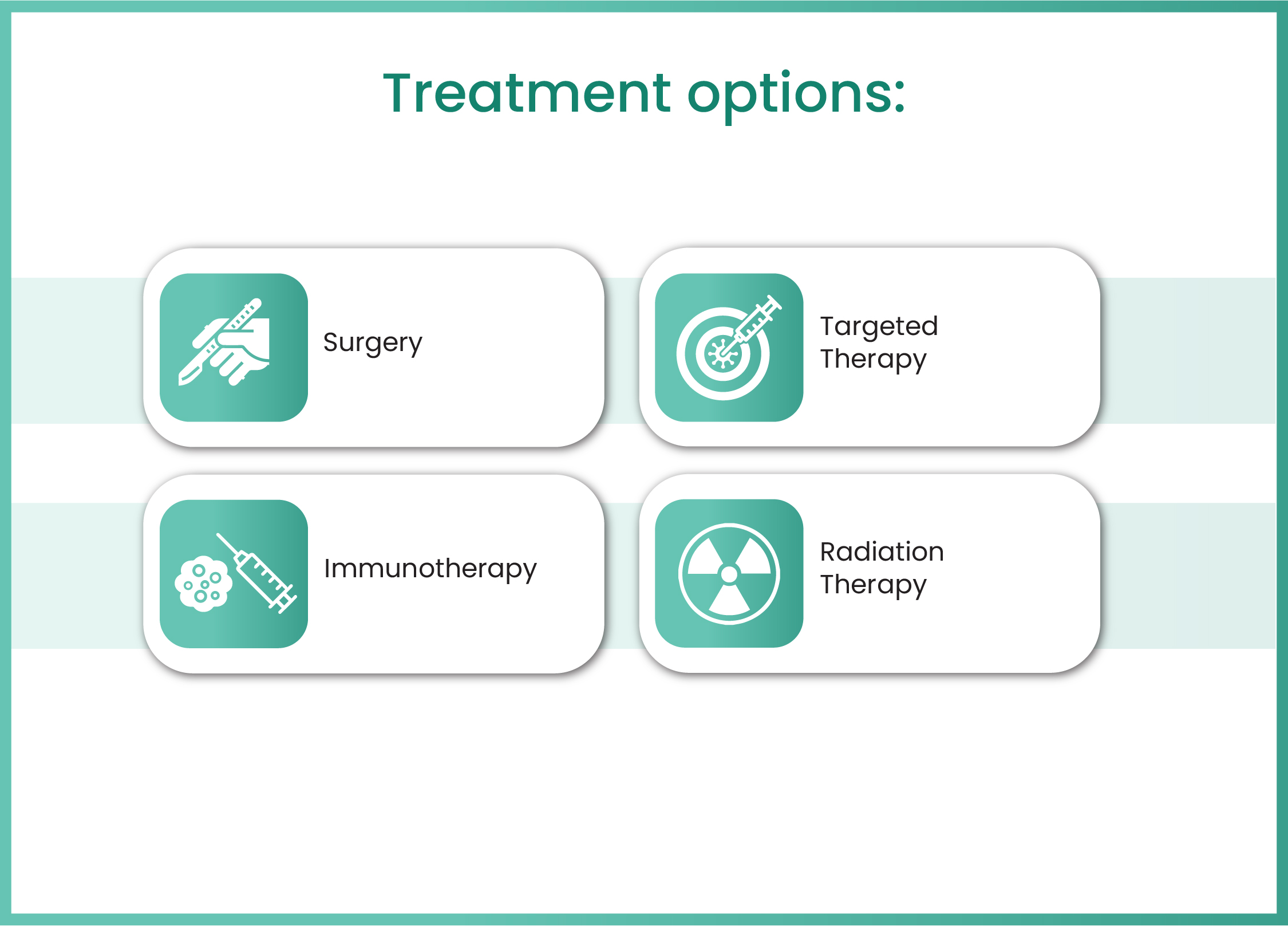
- Surgery: If the tumor is small and confined to the kidney, doctors often perform a surgery called partial nephrectomy, where only the cancerous part of the kidney is removed and the rest of the kidney is preserved. In cases where the tumor is large or has spread, a radical nephrectomy may be needed, where the entire kidney along with some surrounding tissue or lymph nodes is removed. Many surgeries today can be done using minimally invasive techniques like laparoscopy or robotic surgery, which help patients recover faster with less pain.
- Targeted Therapy: When surgery is not an option due to health reasons or if the cancer has spread, targeted therapy is often used. This treatment involves medicines that specifically target cancer cells without harming the healthy cells too much. These drugs block the signals that help cancer cells grow and spread. They are taken in the form of pills and have been very effective in controlling kidney cancer, especially in advanced stages.
- Immunotherapy: This works by boosting the body’s natural immune system to recognize and fight cancer cells more effectively. It is usually given through injections or drips and may be used alone or in combination with other treatments. Immunotherapy has shown very good results in many patients with kidney cancer, especially when the disease has spread beyond the kidney.
- Radiation Therapy: Radiation therapy is not commonly used as a primary treatment for kidney cancer, but it can be helpful in relieving symptoms like pain or bleeding when the cancer has spread to other parts of the body such as the bones. It uses high-energy rays to kill cancer cells and is usually given in small sessions over a few days or weeks.
Dr. Reetu Jain is a highly experienced and compassionate kidney cancer specialist known for her patient-centered approach and commitment to delivering the best possible care. With years of expertise in diagnosing and treating various types of kidney cancer, including renal cell carcinoma, she has earned a reputation as one of the best kidney cancer doctors in the field. Dr. Reetu Jain combines advanced medical knowledge with the latest treatment options, including targeted therapy, immunotherapy, and minimally invasive surgery, to ensure each patient receives personalized and effective care. Patients trust her for her clear communication, accurate diagnosis, and dedication to improving outcomes. If you are searching for a kidney cancer expert in Mumbai who offers both skill and empathy, Dr. Reetu Jain is a trusted name in the field, guiding patients through every step of their journey with confidence and care.