
Hodgkin’s Lymphoma


What Is Hodgkin’s Lymphoma?
Hodgkin’s lymphoma (HL) is a cancer of the lymphatic system—the body’s drainage and immune-defence network. In HL, certain white blood cells (called lymphocytes) start to grow and multiply in an abnormal way. The disease usually begins in a single lymph node—often in the neck or chest—and may spread along connected nodes or into organs such as the spleen, liver, or bone marrow.
Why it matters: the lymphatic system is central to fighting infection, so when it is taken over by cancer cells, the immune system weakens. Fortunately, HL is one of the most curable cancers, especially when caught early and treated by experienced specialists.
Types of Hodgkin’s Lymphoma:
- Classic Hodgkin’s Lymphoma:
This is the most common type of Hodgkin’s Lymphoma. Around 9 out of 10 people with HL have this form. It is called "classic" because it has typical features that doctors recognize under a microscope, especially a special kind of cell called the Reed–Sternberg cell. These are large, abnormal white blood cells that are a hallmark of this cancer.
Classic Hodgkin’s Lymphoma is further divided into four subtypes based on how the cancer cells and surrounding tissues look:- Nodular Sclerosis Hodgkin’s Lymphoma:
- This is the most common subtype.
- It often affects young adults, especially women.
- Doctors can see bands of scar-like tissue (fibrosis) in the lymph nodes.
- The affected lymph nodes are often in the chest or neck area.
- Most people respond very well to treatment.
- Mixed Cellularity Hodgkin’s Lymphoma:
- This type has a variety of different cell types (hence the name “mixed”).
- It is more common in older adults and young children, and also seen in people with weakened immune systems.
- It often shows up in the abdomen.
- It may be more advanced when diagnosed but can still be treated effectively.
- Lymphocyte-Rich Hodgkin’s Lymphoma:
- This is a less common subtype.
- It has many normal lymphocytes and fewer Reed–Sternberg cells.
- Usually found in early stages and may grow slowly.
- Has a very good prognosis and responds well to treatment.
- Lymphocyte-Depleted Hodgkin’s Lymphoma:
- This is the rarest and usually most aggressive subtype.
- It has fewer normal lymphocytes and many abnormal cancer cells.
- Seen more often in older adults or people with HIV/AIDS.
- It may require more intense treatment because it’s often diagnosed at a later stage.
- Nodular Sclerosis Hodgkin’s Lymphoma:
- Nodular Lymphocyte-Predominant Hodgkin’s Lymphoma (NLPHL)
This is a rare and unique form of Hodgkin’s Lymphoma, making up about 5–10% of all HL cases.
Here’s how it’s different from classic HL:- The cancer cells look different from Reed–Sternberg cells. Instead, doctors see “popcorn-shaped” cells under the microscope (officially called LP cells).
- It usually grows more slowly than classic HL.
- NLPHL often affects men more than women and is commonly seen in younger adults.
- It usually starts in just one or two lymph nodes, often in the neck or armpit.
- Sometimes it can be managed with less aggressive treatment or even just regular monitoring if it’s caught very early.
- However, in some cases, it can come back or transform into a more aggressive lymphoma, so follow-up is important.
Risk Factors of Hodgkin’s Lymphoma?
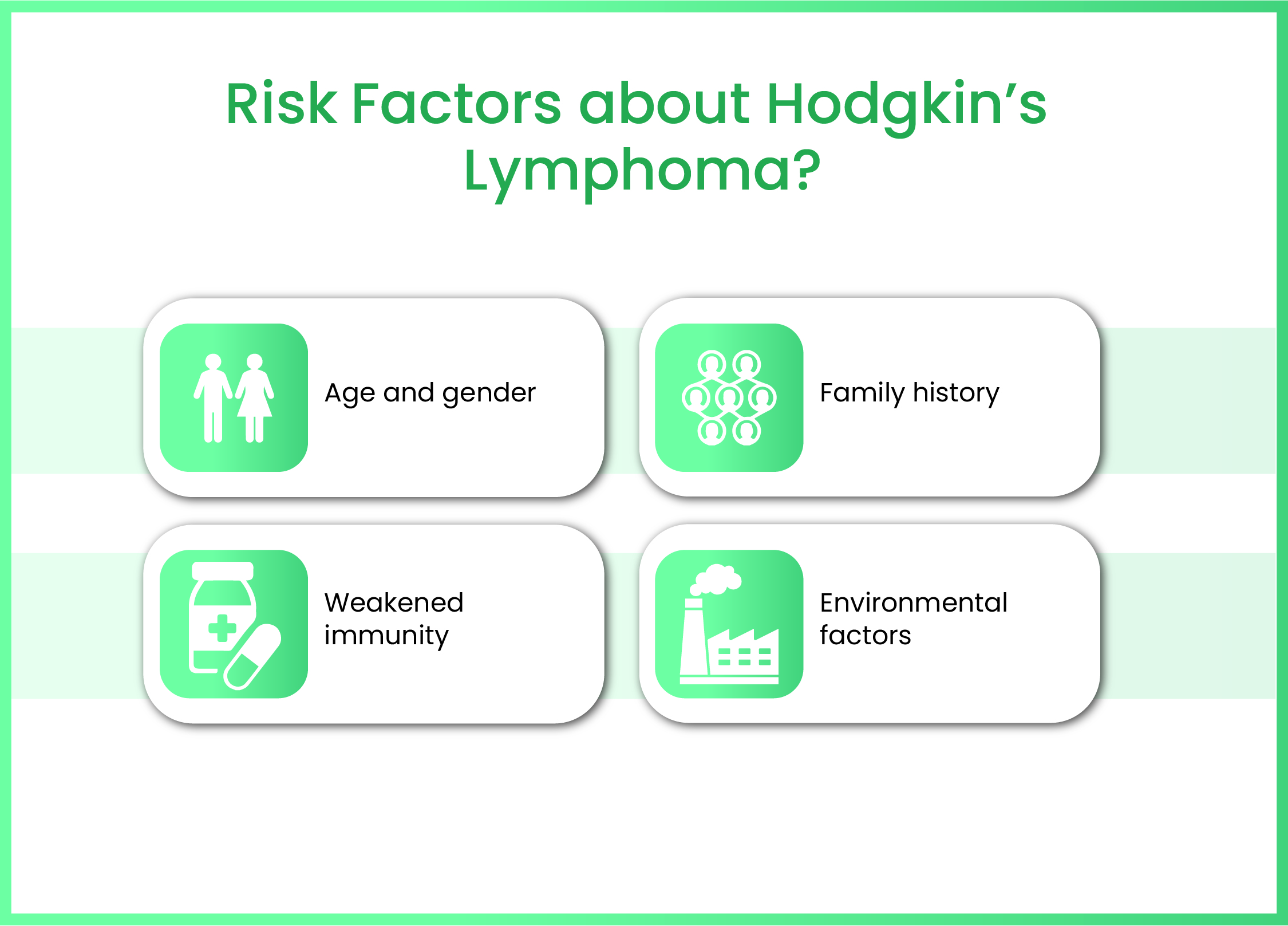
The exact cause of blood cancer isn’t always known. But several factors can increase the chances of developing it.
- Genetic mutations: Changes in DNA that affect how cells grow.
- Family history: If a close family member had blood cancer.
- Radiation exposure: Especially from past cancer treatments or nuclear exposure.
- Chemicals: Long-term exposure to chemicals like benzene.
- Smoking: Increases the risk of certain types of leukemia.
- Weak immune system: Such as from HIV/AIDS or after an organ transplant.
Just having a risk factor doesn’t mean you’ll get blood cancer. Many people with risk factors never get it, and some with no known risks do.
Signs and Symptoms about Hodgkin’s Lymphoma?
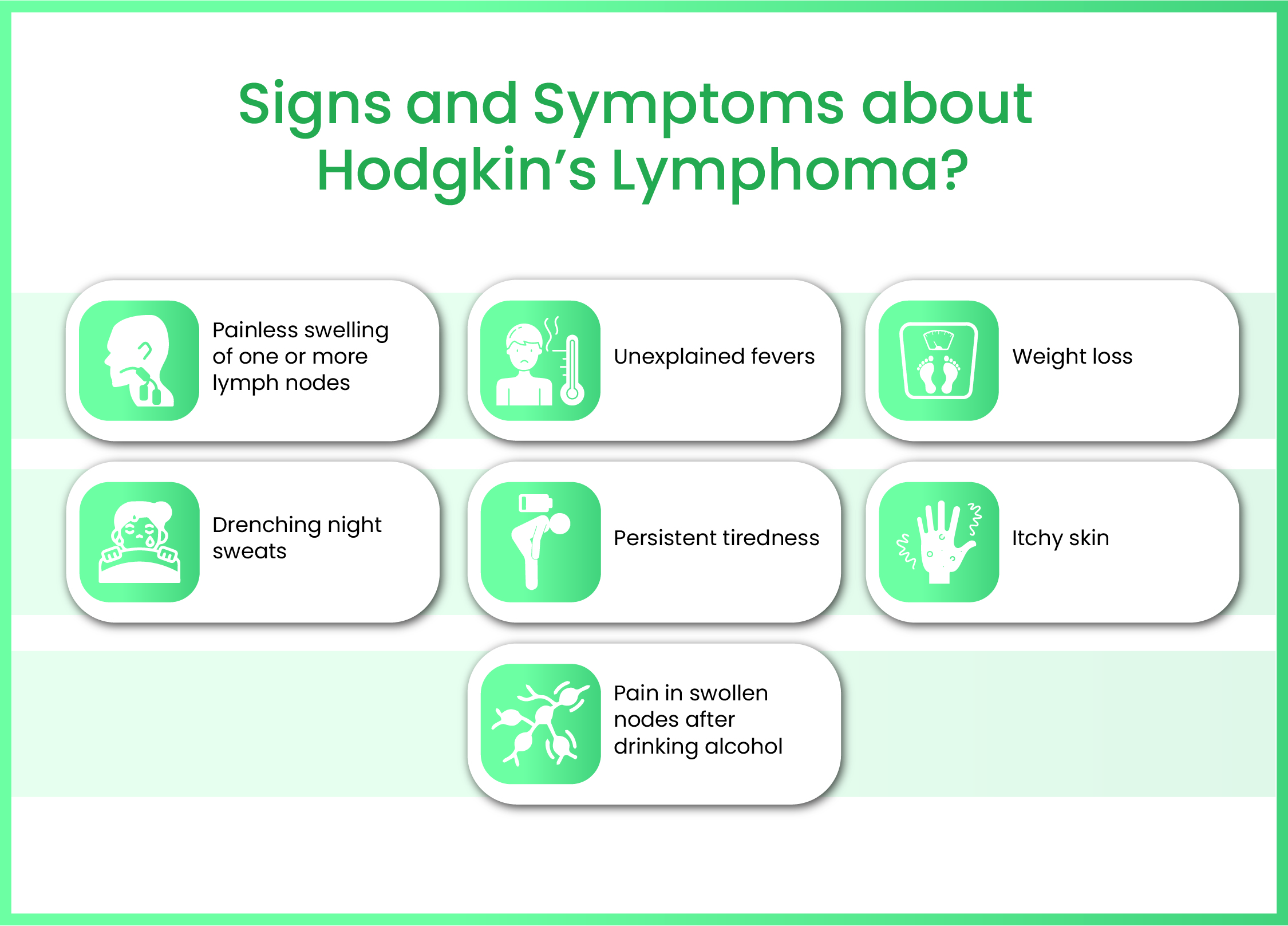
HL often begins quietly. Typical early clues include:
- Painless swelling of one or more lymph nodes—commonly in the neck, armpit, or groin.
- Unexplained fevers that come and go.
- Drenching night sweats (soaking bed clothes)
- Weight loss without trying (typically 10 percent or more of body weight over six months).
- Persistent tiredness that sleep does not fix
- Itchy skin without an obvious rash.
- Pain in swollen nodes after drinking alcohol (a classic but less common symptom).
Because these signs overlap with many everyday illnesses, HL can hide in plain sight. See a doctor if symptoms last longer than two to three weeks or keep coming back.
How to Diagnose Hodgkin’s Lymphoma?
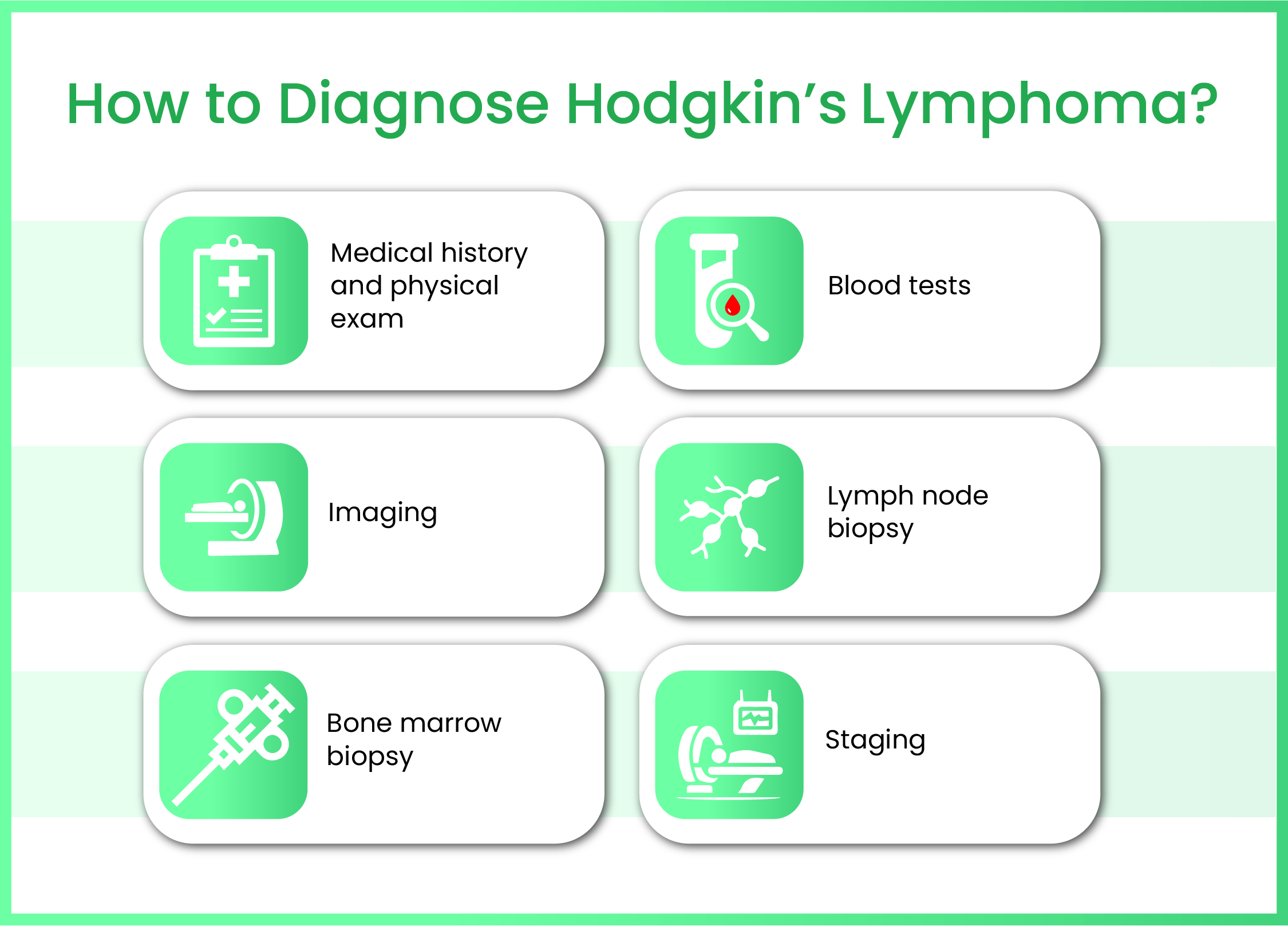
Accurate diagnosis is a step-by-step process:
- Medical history and physical exam: The doctor notes symptoms, checks lymph node regions, and looks for enlarged spleen or liver.
- Blood tests: Full blood count, kidney and liver panels, inflammatory markers (ESR, CRP), and sometimes tests for viruses such as HIV or Epstein–Barr.
- Imaging: A combined PET-CT scan is the gold standard—it shows both structure and metabolic activity, helping to identify active disease sites and stage the cancer. Chest X-ray or MRI may also be used.
- Lymph node biopsy: A surgeon removes a whole lymph node (or a large core) so a pathologist can examine it under a microscope. This confirms Hodgkin’s lymphoma and its subtype.
- Bone marrow biopsy: Performed when blood counts are abnormal or PET-CT suggests involvement.
- Staging: Doctors assign a stage (I to IV) and note “A” (no systemic symptoms) or “B” (fever, night sweats, weight loss). Staging guides treatment choice and predicts outcome.
Treatment Options for Hodgkin’s Lymphoma:
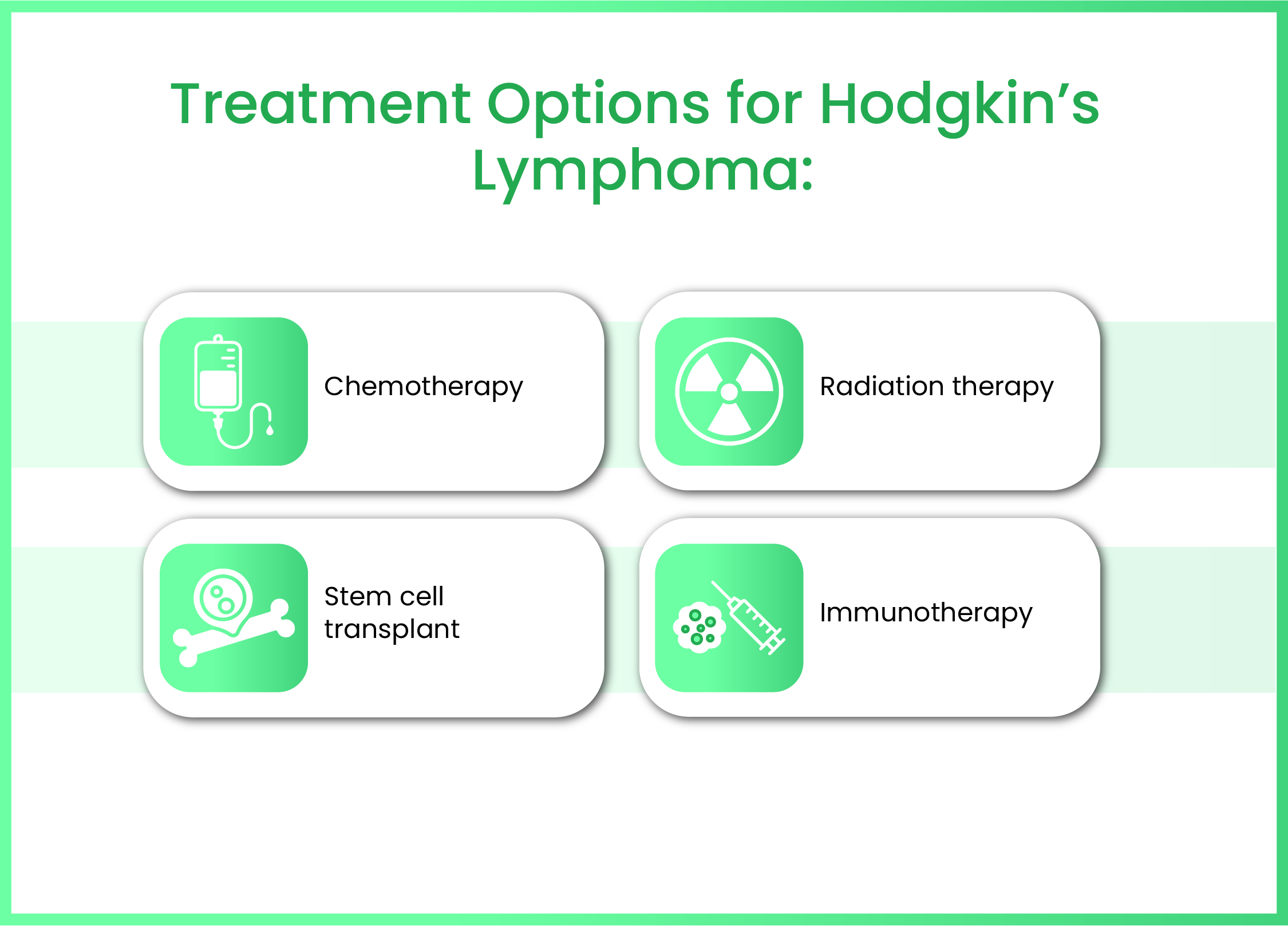
- Chemotherapy: The main form of treatment is chemotherapy, which uses powerful medicines to kill cancer cells or stop them from growing. These medicines are usually given through a vein, although some may be taken as pills. Chemotherapy for Hodgkin’s Lymphoma is typically given in cycles, which means you receive the drugs for a few days or weeks and then have a break to let your body recover.
- Radiation therapy: In some cases, radiation therapy is also used along with chemotherapy. Radiation involves directing high-energy beams at the affected lymph nodes to destroy any remaining cancer cells after chemotherapy. This treatment is especially helpful when the disease is limited to one area, like the chest or neck. Radiation is usually done daily over a few weeks and is completely painless, though it may cause temporary fatigue or skin irritation in the treated area.
- Stem cell transplant:If the cancer doesn’t go away completely after the first round of treatment or if it comes back later, doctors may suggest stronger chemotherapy or stem cell transplant. In a stem cell transplant, high doses of chemotherapy are used to wipe out the cancer cells—and then healthy blood-forming stem cells are given to help the body make new blood cells. These stem cells can come from your own body (collected before treatment) or from a donor. This option is usually considered when standard treatment hasn’t worked, but it has given many patients a second chance at long-term recovery.
- Immunotherapy: For people who have a type of Hodgkin’s Lymphoma that doesn’t respond well to traditional treatments, there are also targeted therapies and immunotherapy. These are newer types of treatments that help the body’s own immune system recognize and attack cancer cells.
Dr. Reetu Jain is a renowned Hodgkin’s Lymphoma specialist in South Mumbai, known for her deep expertise in diagnosing and treating all types of blood cancers with precision and care. With years of experience as a leading oncologist in Mumbai, she has helped numerous patients successfully overcome Hodgkin’s Lymphoma through a personalised and compassionate approach. Her treatment plans are designed not just to target the disease, but also to support the patient’s overall well-being throughout the journey. As a trusted blood cancer expert, Dr. Jain uses the latest diagnostic tools, evidence-based therapies, and modern medical advancements to ensure the best outcomes for her patients. Whether it’s early-stage disease or a complex relapse, Dr. Reetu Jain provides hope, healing, and highly specialised care every step of the way.
Frequently Asked Questions (FAQs)
Yes, Hodgkin’s Lymphoma is one of the most curable forms of cancer, especially when diagnosed early. With modern treatments like chemotherapy, radiation, and newer targeted therapies, many people go on to live long, healthy lives after treatment.
Yes, even healthy individuals can develop Hodgkin’s Lymphoma. Although the exact cause is not always known, certain factors like age (common in teens and young adults), a weakened immune system, or past viral infections such as Epstein-Barr virus can increase the risk. But in many cases, it happens without any clear reason
Hodgkin’s Lymphoma can grow at different speeds depending on the type. Some forms grow slowly and may not cause noticeable symptoms for a while, while others progress more quickly. Thankfully, most types respond very well to treatment, regardless of how fast they grow.
This depends on how you feel and the type of treatment you’re receiving. Some people continue working or studying with minor adjustments, while others may need rest days. The most important thing is to listen to your body and communicate with your doctor.
Not all swollen lymph nodes mean cancer. They can be caused by infections, minor illnesses, or even stress. But if a lymph node remains swollen for several weeks, keeps growing, or is painless and firm, it’s best to get it checked—especially if you also have symptoms like night sweats or unexplained weight loss.