
Head & Neck Cancer: Symptoms, Causes & Treatment by Dr. Reetu Jain in Mumbai
Head & Neck Cancer


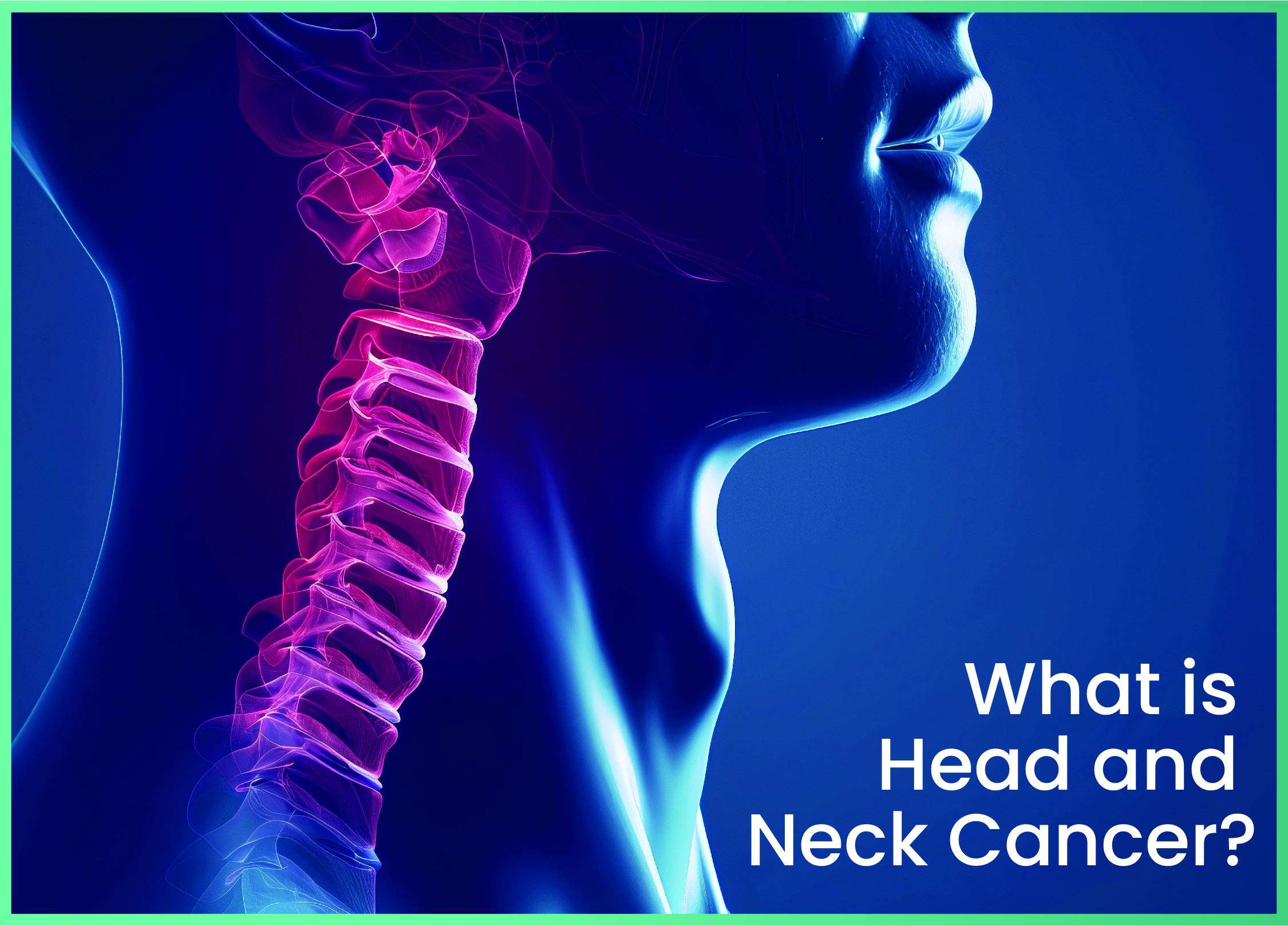
Head and Neck Cancer refers to a group of cancers that begin in different areas of the head and neck region. These include the mouth, throat, voice box, sinuses, nose, and salivary glands. These parts of the body help us breathe, speak, chew, swallow, and show facial expressions. When cancer affects these areas, it can impact our daily life in many ways.
With early detection and the right treatment, head and neck cancer is treatable. And with expert care from experienced oncologists like Dr. Reetu Jain, patients can regain health and confidence.
What is Head and Neck Cancer?
Head and neck cancer is not just one type of cancer—it is a term for cancers that occur in different areas such as:
- Mouth (oral cavity)
- Nose and sinuses
- Throat (pharynx)
- Voice box (larynx)
- Salivary glands These cancers usually begin in the squamous cells that line the moist surfaces inside the head and neck. That’s why many of these are called squamous cell carcinomas.
Types of Head and Neck Cancer:
- Oral Cavity Cancer:Includes cancer of the lips, tongue, gums, and floor of the mouth. Signs include mouth sores, pain, or trouble swallowing.
- Pharyngeal Cancer (Throat Cancer):
Occurs in the pharynx, the tube that connects the mouth and nose to the esophagus. It’s divided into:- Nasopharyngeal Cancer – behind the nose
- Oropharyngeal Cancer – tonsils, tongue base
- Hypopharyngeal Cancer – lower throat
- Laryngeal Cancer:Cancer of the larynx (voice box), which can affect speech and breathing.
- Paranasal Sinus and Nasal Cavity Cancer:Begins in the sinuses or inside the nose. Often diagnosed late due to subtle symptoms.
- Salivary Gland Cancer:A rare type, starting in the glands that produce saliva. May cause facial swelling or numbness.
Head and neck cancer is divided into different types based on where it starts:
Risk Factors for Head & Neck Cancer?
-
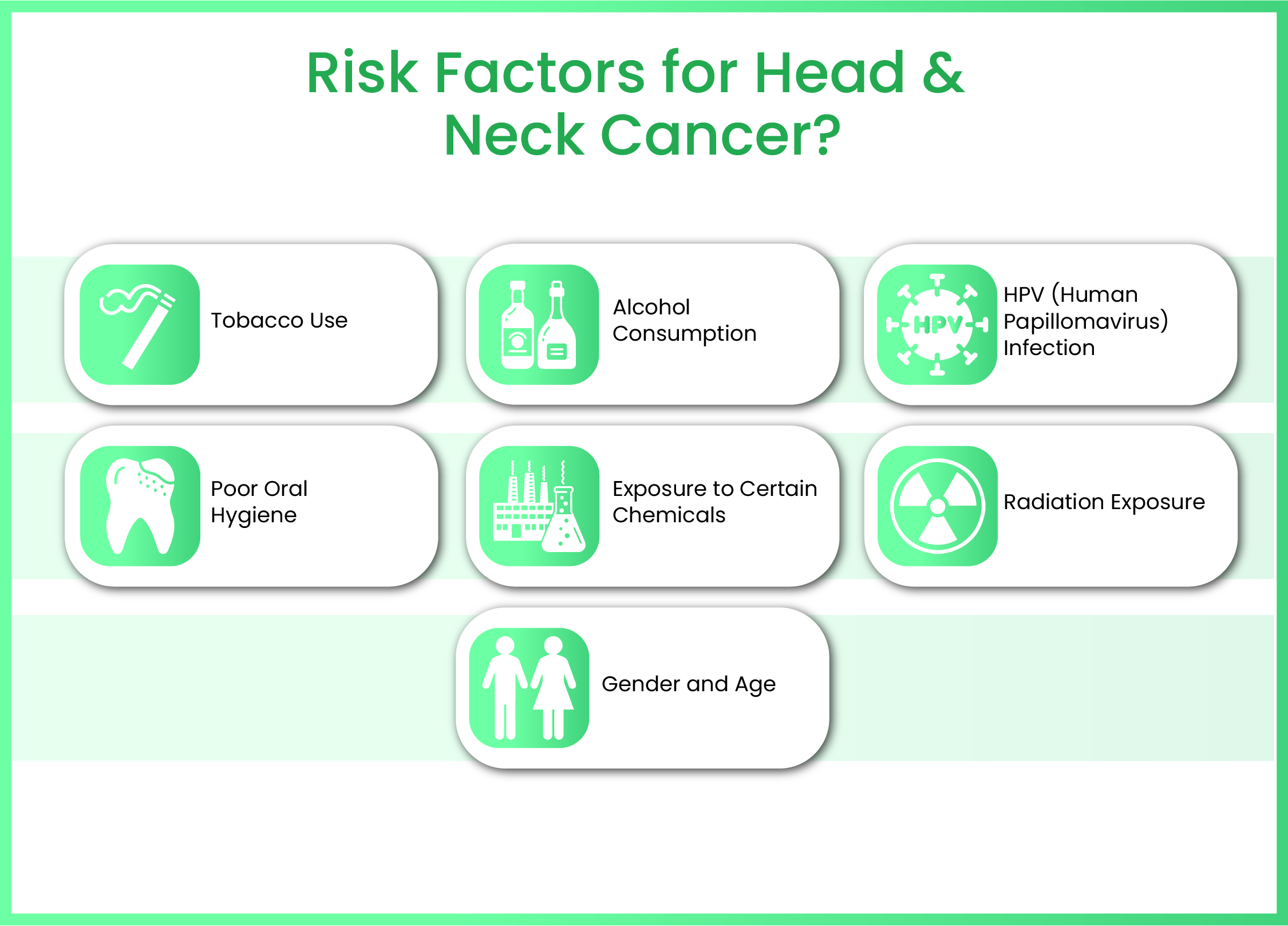
Several factors increase the risk of developing head and neck cancer. Some of the most common ones include:
- Tobacco Use: Smoking cigarettes, cigars, or chewing tobacco is the most significant risk factor. More than 80% of patients with head and neck cancers have a history of tobacco use.
- Alcohol Consumption: Heavy drinking, especially in combination with tobacco use, dramatically increases risk.
- HPV (Human Papillomavirus) Infection: This sexually transmitted infection has been linked to cancers in the throat and tonsils, especially in younger patients.
- Poor Oral Hygiene: Lack of regular dental care and oral cleanliness may increase cancer risk.
- Exposure to Certain Chemicals: Industrial exposure to substances like asbestos, wood dust, and synthetic fibers can elevate risk.
- Radiation Exposure: People who have previously had radiation treatment to the head or neck area are at higher risk.
- Gender and Age: Men are 2–3 times more likely to develop these cancers than women. Most cases occur in people over age 50.
Signs and Symptoms of Head & Neck Cancer:
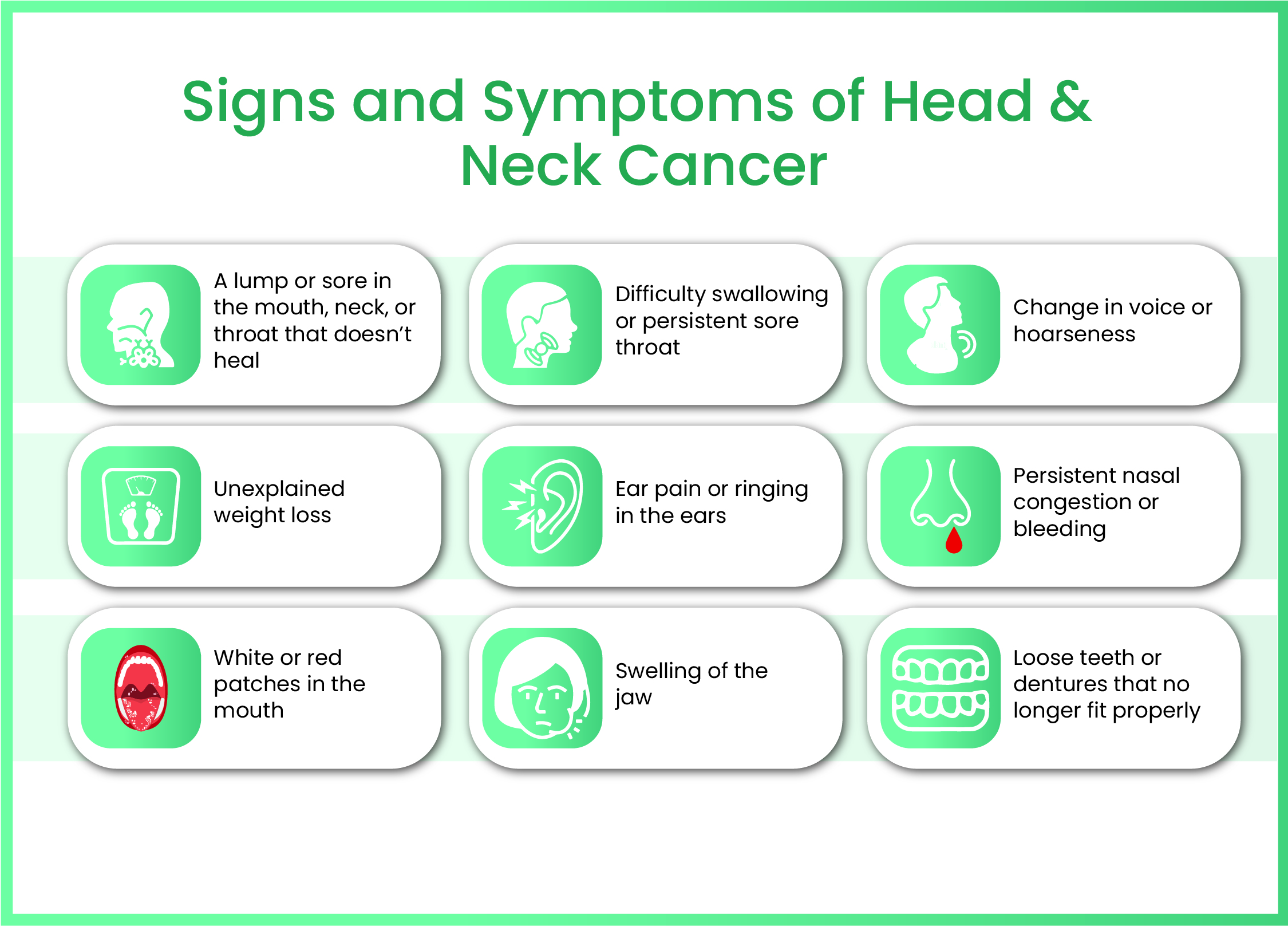
- A lump or sore in the mouth, neck, or throat that doesn’t heal
- Difficulty swallowing or persistent sore throat
- Change in voice or hoarseness
- Unexplained weight loss
- Ear pain or ringing in the ears
- Persistent nasal congestion or bleeding
- White or red patches in the mouth
- Swelling of the jaw
- Loose teeth or dentures that no longer fit properly
Head and neck cancers can present various symptoms depending on their location. It’s important not to ignore persistent or unusual changes in your body.
Common Signs Include:
If you experience any of these symptoms for more than two weeks, it's essential to consult a specialist in head and neck cancer in Mumbai like Dr. Reetu Jain for proper diagnosis.
Lifestyle Changes to Reduce Risk and Aid Recovery:
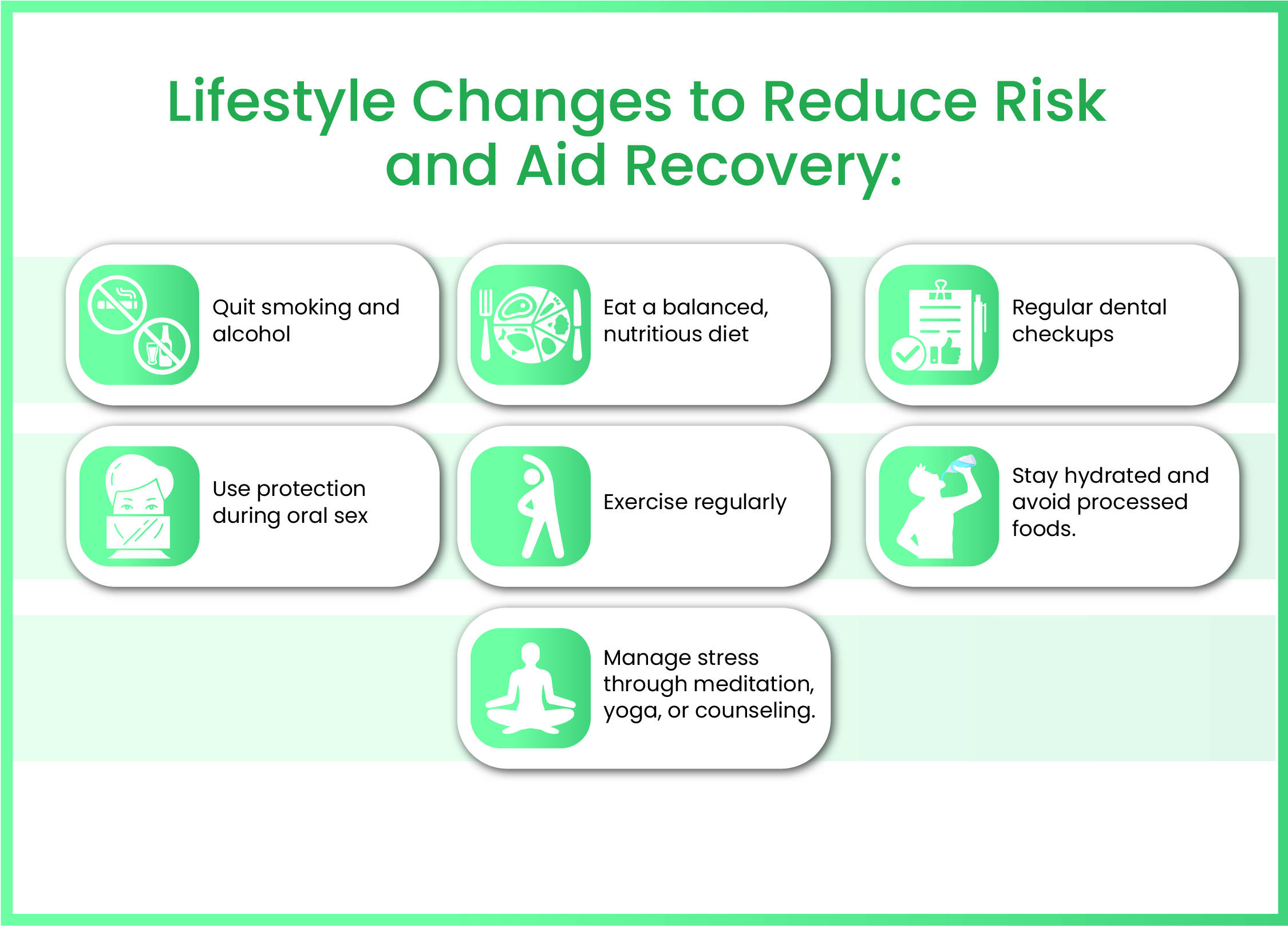
- Quit smoking and alcohol – The most crucial step in both prevention and healing
- Eat a balanced, nutritious diet – Include fruits, vegetables, and whole grains.
- Regular dental checkups – Especially important if you use tobacco or alcohol.
- Use protection during oral sex – To reduce the risk of HPV transmission.
- Exercise regularly – Boosts immunity and overall well-being.
- Stay hydrated and avoid processed foods.
- Manage stress through meditation, yoga, or counseling.
Prevention is always better than cure. If you are at risk or undergoing treatment, some changes in lifestyle can help reduce your chances or improve your recovery:
Diagnosis of Head & Neck Cancer:
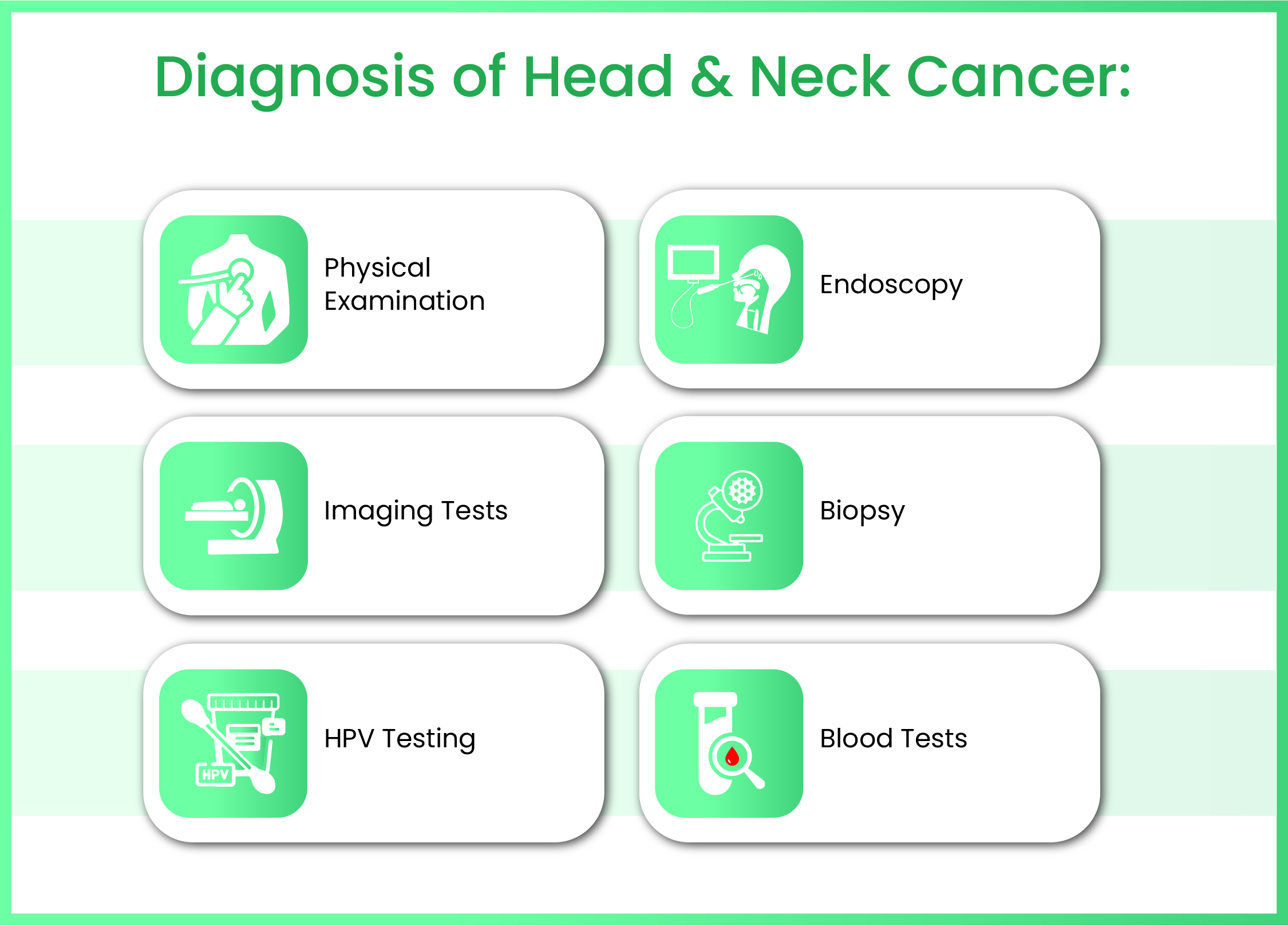
- Physical Examination: The doctor will examine your mouth, nose, throat, and neck for any visible abnormalities or lumps.
- Endoscopy: A thin, flexible tube with a camera (endoscope) is inserted into your nose or throat to view deeper areas.
- Imaging Tests: CT scan, MRI, PET scan, X-rays. These help determine the location, size, and spread of the tumor
- Biopsy: A sample of the suspicious tissue is collected and analyzed in a lab to confirm cancer.
- HPV Testing: For throat cancers, testing for HPV helps guide treatment decisions.
- Blood Tests: Though not used for diagnosis directly, blood tests help assess overall health before treatment.
Getting the right diagnosis is key to successful treatment. Dr. Reetu Jain, a renowned head and neck cancer doctor in Mumbai, uses a range of advanced tools and techniques to identify and stage the disease.
Treatment Options for Head and Neck Cancer:
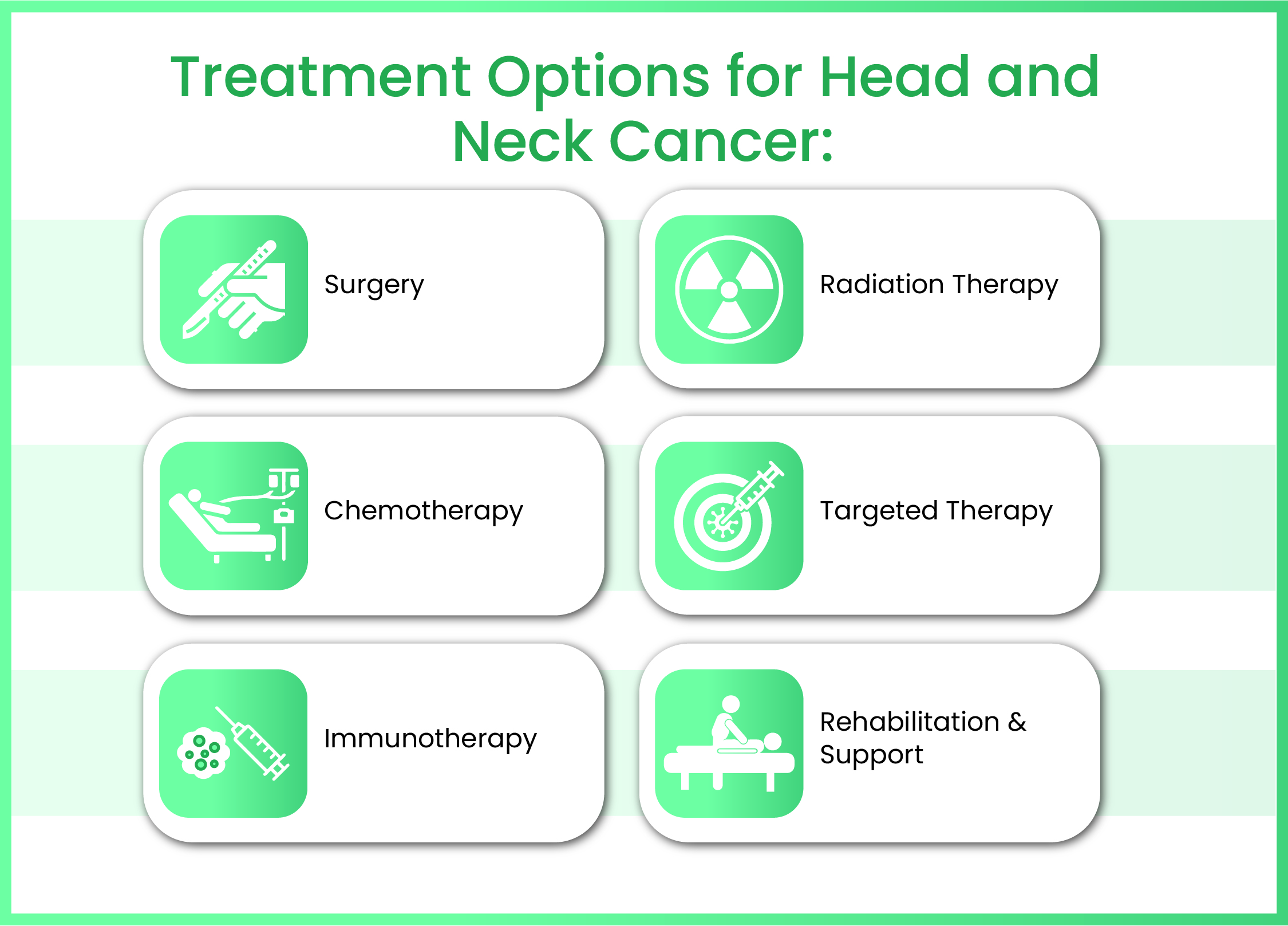
- Surgery: Used to remove the tumor. It may be minimally invasive or open surgery depending on the case. Advanced surgical techniques ensure that function and appearance are preserved as much as possible.
- Radiation Therapy: High-energy rays are used to kill cancer cells. It can be External beam radiation (most common) and Internal radiation (brachytherapy). It’s often used along with surgery or chemotherapy.
- Chemotherapy: Drugs are used to kill cancer cells. This is often used when cancer has spread or is in advanced stages. It may be combined with radiation (chemoradiation).
- Targeted Therapy: These drugs target specific genes or proteins that contribute to cancer growth. They often have fewer side effects than traditional chemotherapy.
- Immunotherapy: This helps the immune system fight cancer more effectively. It’s especially helpful in cases where cancer is resistant to other treatments.
- Rehabilitation & Support: After treatment, some patients may need therapy for speech, swallowing, or emotional health. Expert teams including dietitians, speech therapists, and psychologists work alongside. Dr. Reetu Jain, a highly experienced and compassionate oncologist at Jaslok Hospital, Mumbai, is widely recognized as one of the best doctors for head and neck cancer in Mumbai. With years of experience in treating complex cases, she combines cutting-edge treatments with personalized care plans to ensure each patient receives the best outcome. Patients trust Dr. Reetu Jain not just for her clinical excellence, but for the emotional support and honest communication she brings to every consultation. If you or your loved one needs guidance on head and neck cancer, Dr. Reetu Jain is your go-to expert in Mumbai for compassionate, world-class care.
Treatment for head and neck cancer depends on the type, size, location, and stage of the cancer.
Frequently Asked Questions (FAQs)
- Is head and neck cancer curable?
- Yes, especially when detected early. Many patients are completely cured with surgery, radiation, or combined treatments. - Can head and neck cancer return?
- Like many cancers, it can recur. Regular follow-ups and lifestyle changes reduce the risk. - How painful is the treatment?
- Modern techniques have made treatments more manageable. Pain and side effects are controlled with medications and support - Is voice or speech affected after treatment?
- Sometimes, especially in throat or larynx cancers. However, rehabilitation with speech therapy often helps patients regain function. - How long does recovery take?
- Recovery depends on the type of treatment, cancer stage, and individual health. Most people start feeling better within a few weeks to months.