
Gastrointestinal (GI) Cancer: Symptoms, Causes & Treatment by Dr. Reetu Jain
Gastrointestinal (GI) Cancer


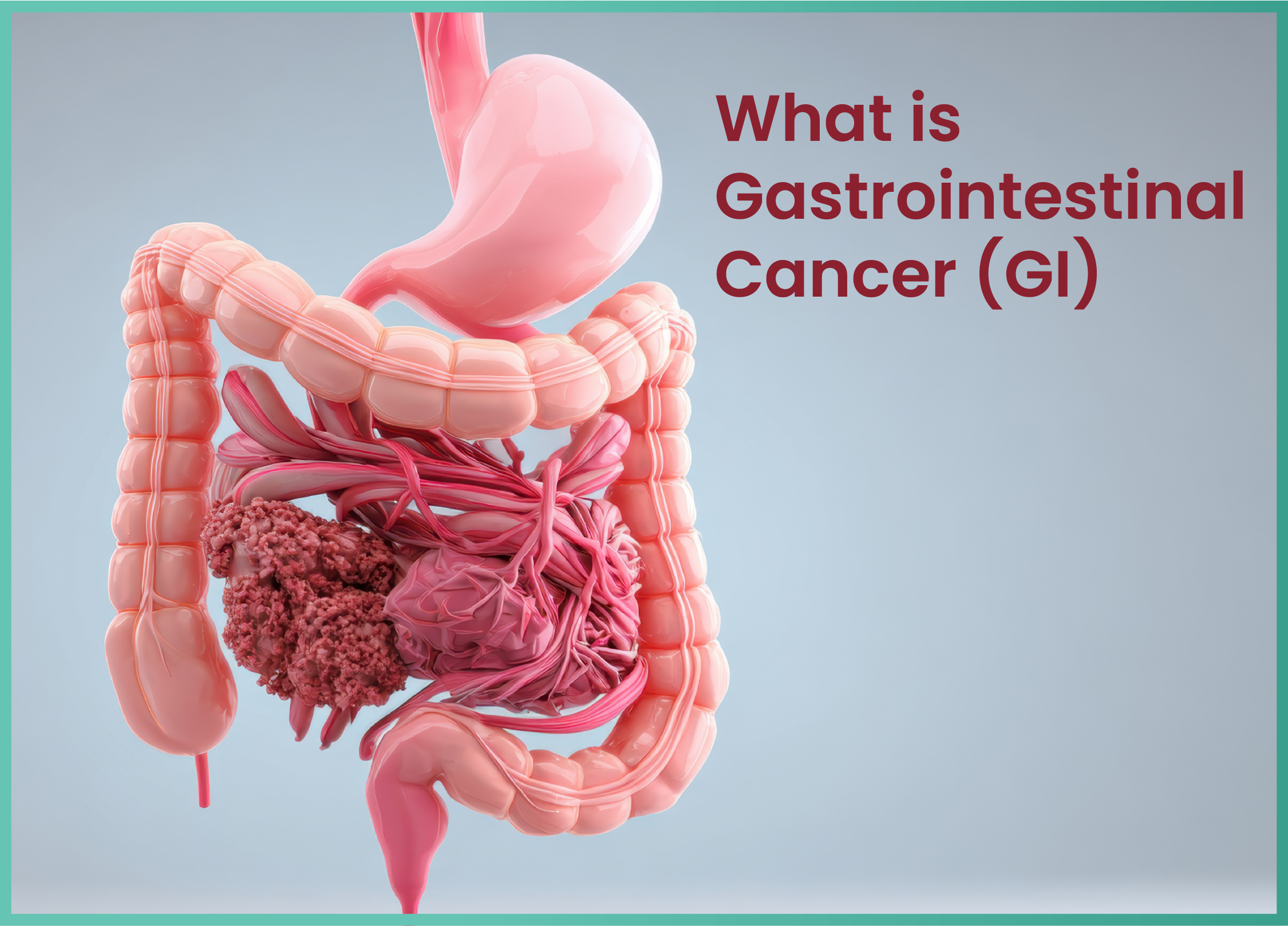
Gastrointestinal (GI) cancer refers to a group of cancers that occur in the digestive system. This system is responsible for breaking down food, absorbing nutrients, and removing waste from the body. It includes the esophagus, stomach, liver, pancreas, gallbladder, small intestine, colon, rectum, and anus
GI cancers begin when healthy cells in these organs start growing uncontrollably and form tumors. These cancers can interfere with digestion and may spread to other parts of the body if not treated in time.
Dr. Reetu Jain, a leading GI cancer specialist in India, explains: “GI cancers are often misunderstood or detected late because many early symptoms resemble common digestive issues. But early diagnosis and treatment can significantly improve survival.”
What Are the Main Types of GI Cancers?
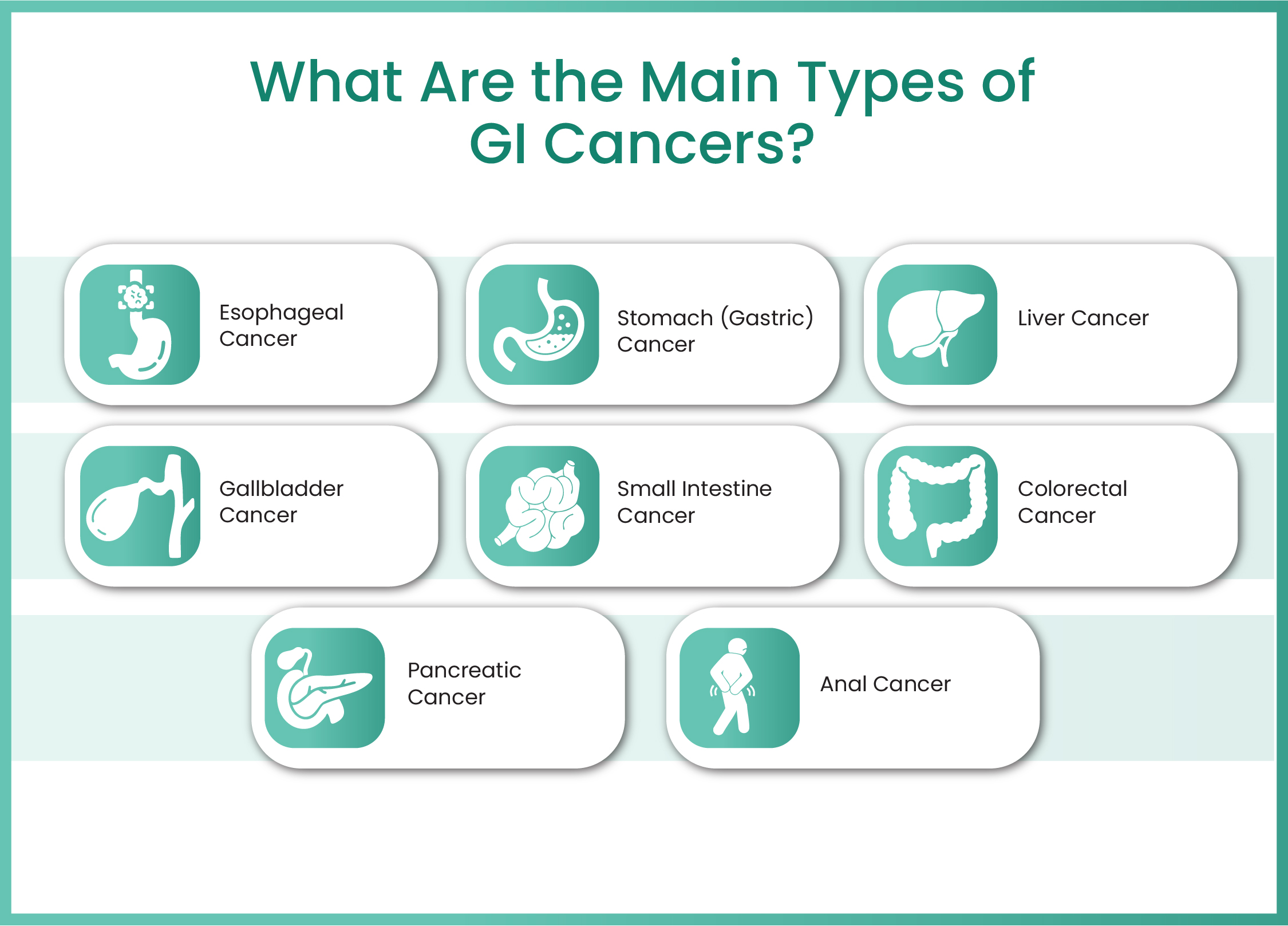
Each part of the gastrointestinal tract can develop cancer. Here are the most common types:
- Esophageal Cancer – Begins in the tube connecting your mouth to your stomach.
- Stomach (Gastric) Cancer – Affects the stomach lining.
- Liver Cancer – Originates in liver cells, often due to hepatitis or alcohol abuse.
- Gallbladder Cancer – Rare but aggressive if not caught early.
- Pancreatic Cancer – Difficult to detect early and often very aggressive.
- Small Intestine Cancer – Rare, often found during treatment for other issues.
- Colorectal Cancer – Starts in the colon or rectum, one of the most common GI cancers.
- Anal Cancer – Begins at the end of the digestive tract. Each of these cancers behaves differently, and the treatment plan depends on the exact location, stage, and patient health.
Signs and Symptoms of GI Cancer
GI cancer symptoms can vary depending on where the cancer is located. Unfortunately, early signs are often vague or mistaken for common digestive issues like gas or acidity.
-
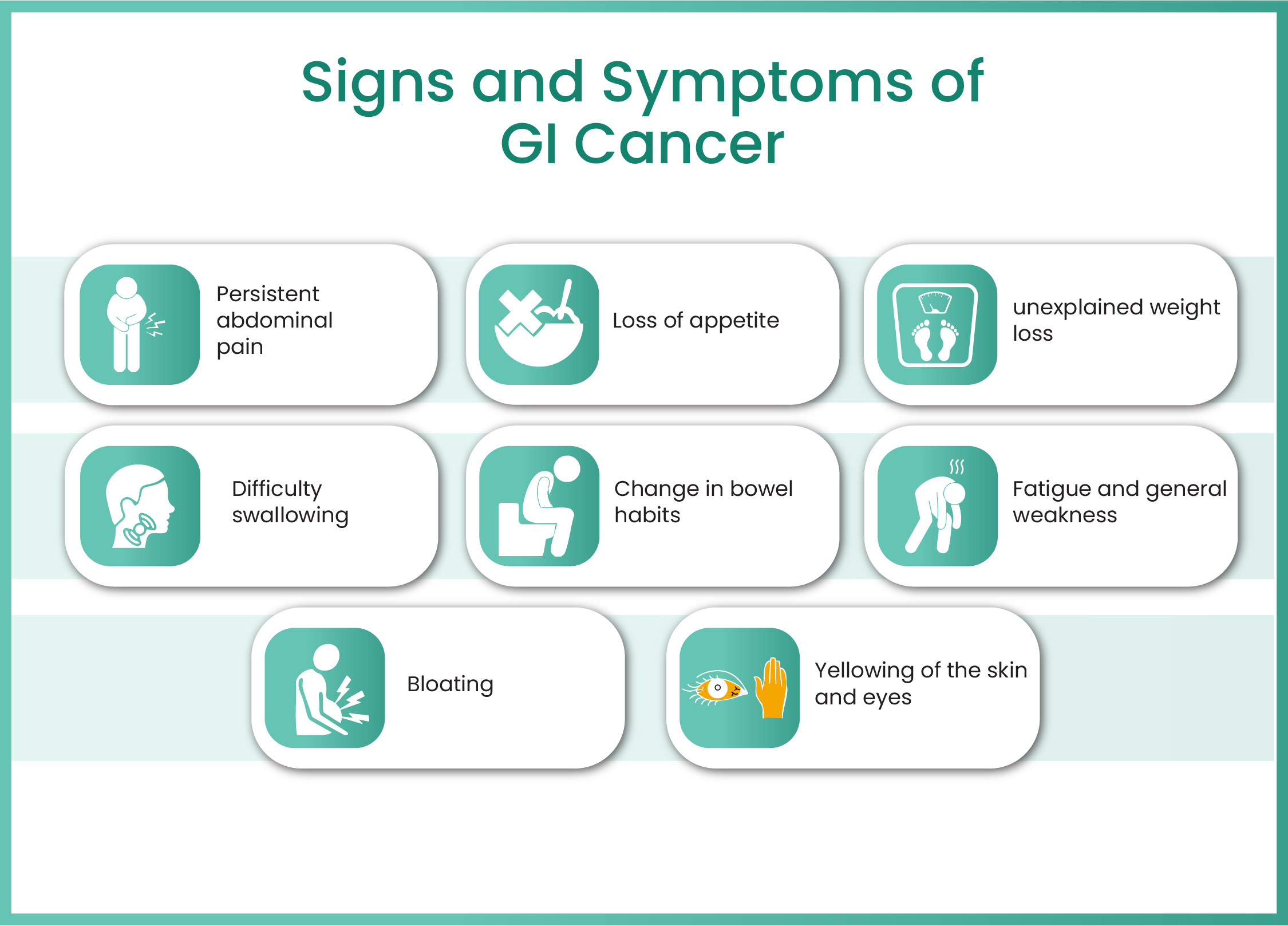
Here are common symptoms to watch for:
- Persistent abdominal pain or discomfort
- Loss of appetite or early satiety (feeling full quickly)
- Sudden, unexplained weight loss
- Difficulty swallowing
- Indigestion, bloating, or nausea that doesn’t go away
- Change in bowel habits – constipation, diarrhea, or narrow stools
- Fatigue and general weakness
- Yellowing of the skin and eyes (jaundice) – often seen in liver or pancreatic cancers
If you have any of these symptoms lasting more than 2-3 weeks, it’s important to consult a GI cancer specialist like Dr. Reetu Jain without delay.
Risk Factors of GI Cancers:

-
There is no single cause of GI cancer. Instead, a combination of genetic, environmental, and lifestyle factors increase your risk.
- Age and Genetics: Most GI cancers occur in people over 50. A family history of colorectal, stomach, or pancreatic cancer increases your risk.
- Unhealthy Diet: Diets high in red or processed meats and low in fiber are linked to colon cancer. Excessive salt intake can raise the risk of stomach cancer.
- Tobacco and Alcohol Use: Smoking affects all parts of the digestive tract and increase the risk of esophageal, stomach, pancreatic, and liver cancer. Heavy alcohol use especially affects the liver and pancreas.
- Reduces dependency on frequent transfusions
- Obesity and Sedentary Lifestyle: Overweight individuals are at higher risk of colorectal, liver, and pancreatic cancers. Lack of physical activity slows digestion and may lead to inflammation.
- Diabetes: People with type 2 diabetes are more likely to develop pancreatic and liver cancers.
Dr. Reetu Jain, expert in GI cancer diagnosis and prevention, emphasizes regular health screenings, especially for those with known risk factors.
How is GI Cancer Diagnosed?
Diagnosis is done in a step-by-step manner to locate the cancer, determine its stage, and plan treatment.
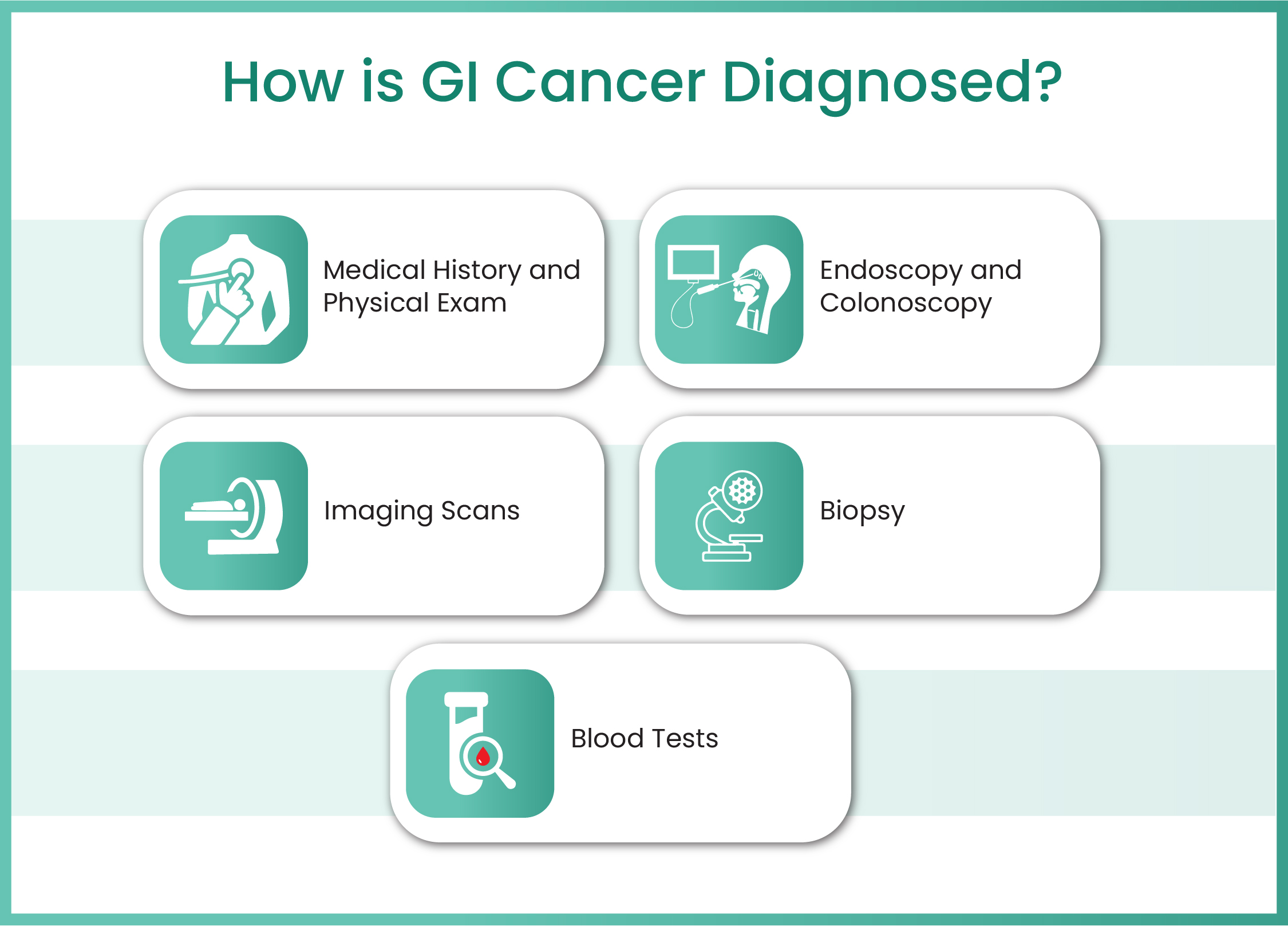
- Medical History and Physical Exam: The doctor will ask about symptoms, diet, smoking, alcohol use, and family history.
- Blood Tests: Liver function tests. Complete blood count to check for anemia or infection.
- Imaging Scans: Ultrasound (initial look at liver and abdomen), CT or MRI scans (provide detailed images of internal organs), and PET Scan (detects cancer spread to lymph nodes or distant organs).
- Endoscopy and Colonoscopy: A thin, flexible tube with a camera is inserted into the digestive tract to directly view the lining and take biopsies.
- Biopsy: Tissue samples are examined under a microscope to confirm if cancer cells are present.
Diagnosing GI cancer early offers the best chance of recovery. Don’t wait for symptoms to worsen,” advises Dr. Reetu Jain, a highly experienced medical oncologist Mumbai.
Lifestyle Changes That Help:
Whether you’re looking to prevent GI cancer or support recovery during treatment, lifestyle plays a major role.
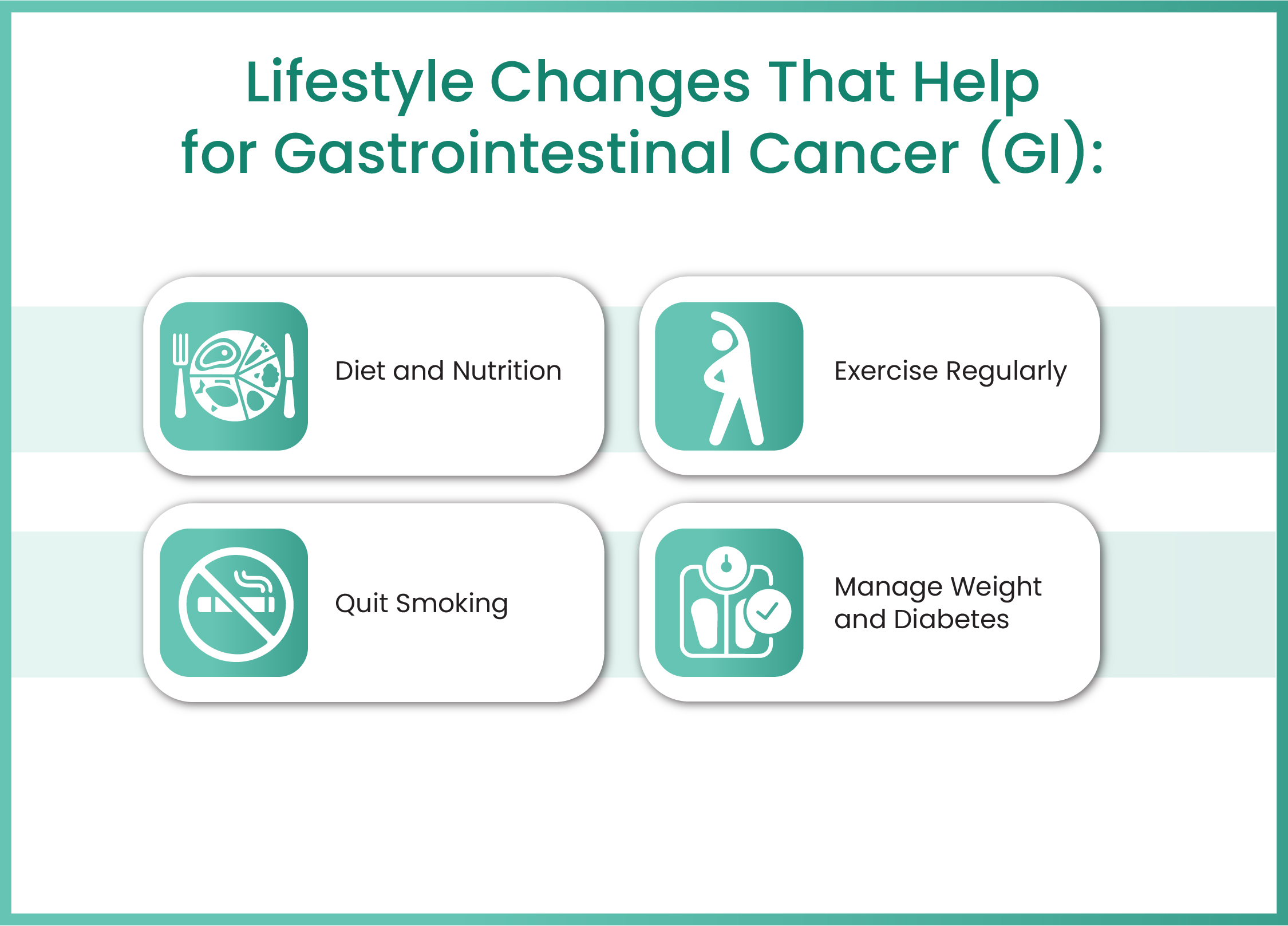
- Diet and Nutrition: Eat more fiber (vegetables, fruits, whole grains). Avoid processed and red meats. Choose lean proteins (fish, chicken, beans. Drink plenty of water. Limit salt, sugar, and alcohol.
- Exercise Regularly: At least 30 minutes of moderate activity most days. Helps with digestion, weight control, and fatigue.
- Quit Smoking: Reduces risk of multiple GI cancers.
- Manage Weight and Diabetes: Obesity and uncontrolled diabetes are major risk factors
Treatment Options:
The best treatment depends on the type, location, and stage of cancer, as well as your overall health. Often, multiple treatment methods are combined.
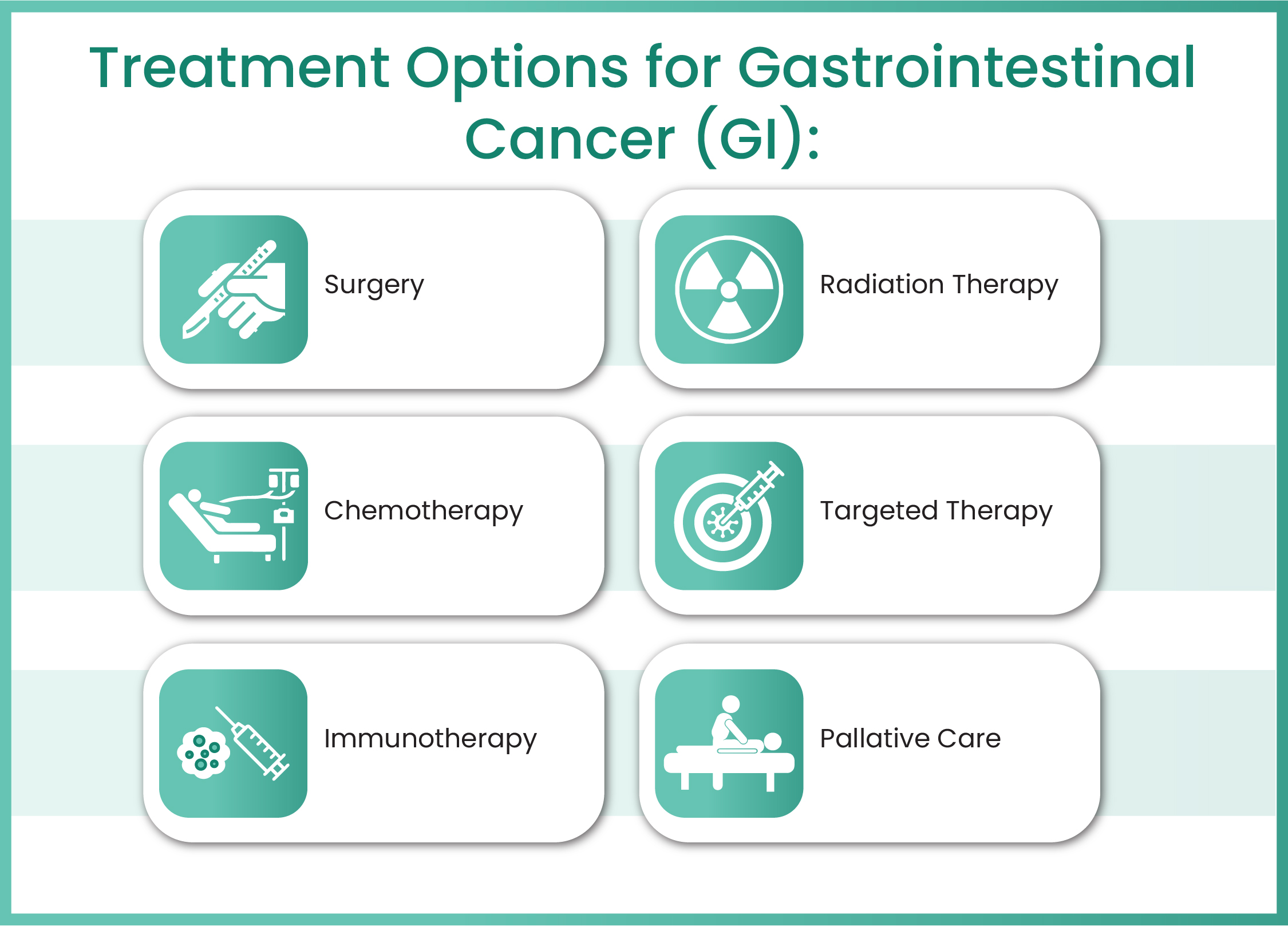
- Surgery: Removes the cancerous tumor and surrounding tissue.
- Colectomy – for colon cancer
- Whipple surgery – for pancreatic cancer
- Gastrectomy – partial or total removal of the stomach.
- Chemotherapy: Drugs are used to kill cancer cells throughout the body. Given orally or through IV. Often used before surgery to shrink tumors or after to prevent recurrence.
- Radiation Therapy: Uses high-energy rays to destroy cancer cells. Especially useful for rectal, esophageal, and anal cancers.
- Targeted Therapy: Targets specific cancer cell proteins to block growth. Less harm to normal cells than chemotherapy.
- Immunotherapy: Stimulates the immune system to fight cancer naturally. Especially promising in advanced gastric and liver cancers.
- Palliative Care: Focuses on relieving symptoms like pain, nausea, or fatigue in advanced cancer stages. Improves comfort and quality of life.
Dr. Reetu Jain is a highly respected medical oncologist with a strong focus on the diagnosis, treatment, and long-term care of gastrointestinal (GI) cancers. With years of dedicated experience in oncology, she is known for her patient-centric approach, evidence-based treatments, and compassionate care. Dr. Jain has successfully managed complex cases of stomach, colon, liver, pancreatic, and esophageal cancers using the latest advancements such as immunotherapy, targeted therapy, and personalized chemotherapy protocols. Her ability to combine clinical expertise with a deep sense of empathy makes her one of the most trusted GI cancer specialists in Jaslok Hospital, Mumbai. Driven by a mission to provide holistic and accessible cancer care, Dr. Reetu Jain empowers her patients with knowledge, confidence, and hope at every step of their journey.